
First Stop | Mount Pleasant, 2.1 miles from the White House
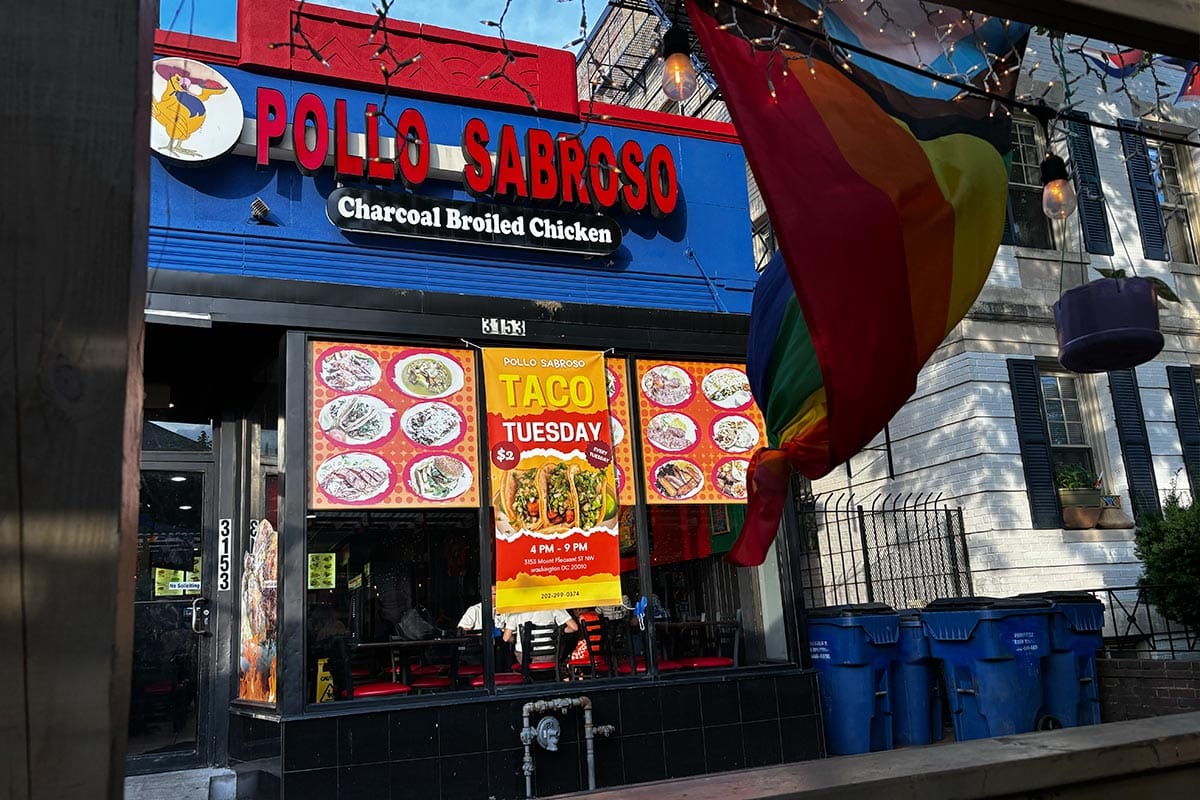
Just 2.1 miles from the White House, now occupied for the second time by Donald Trump, in the vibrant and bustling Mount Pleasant neighborhood, Charlie waits tables on the terrace of an Asian restaurant. It’s a sunny June afternoon, and the summer light gives a festive air to northwest Washington D.C.: packed tables, tropical-colored cocktails, cold beers, and rays of sunlight bouncing off the sunglasses of the diverse clientele of this capital, home to officials and diplomats from around the world.
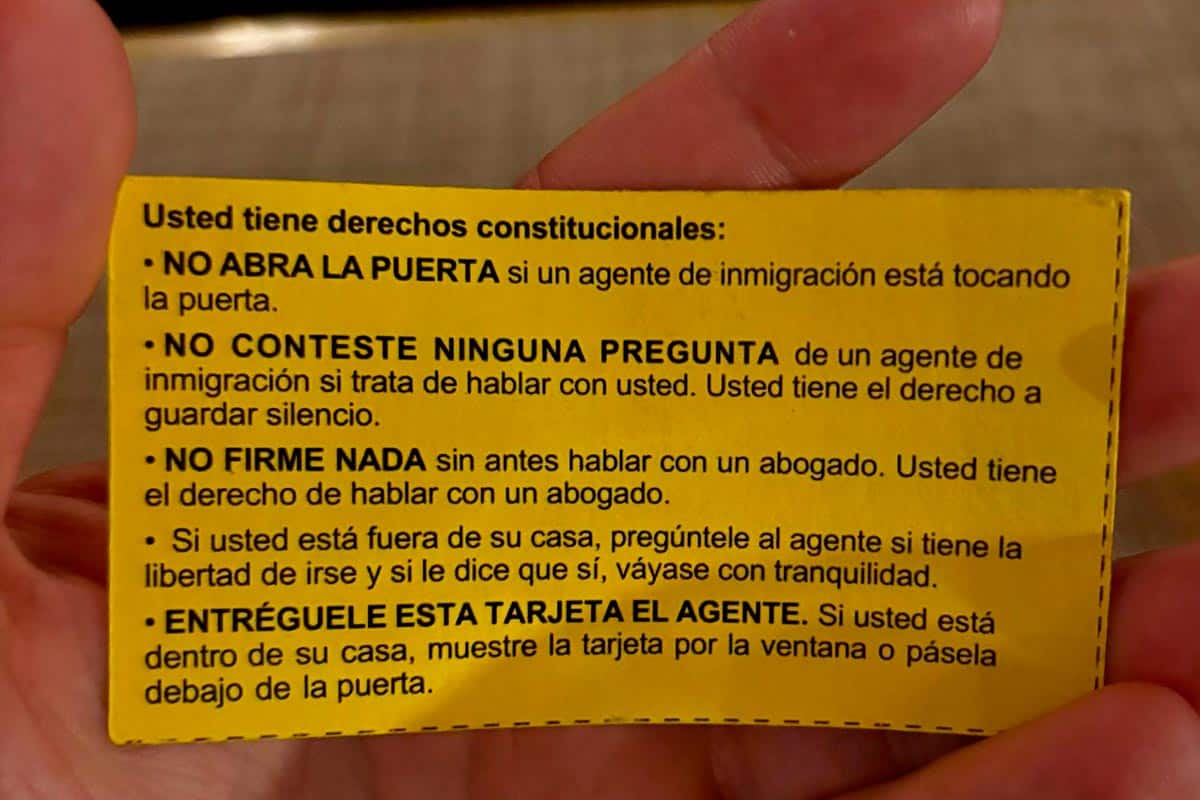
Charlie is young, good-looking, muscular, has a Hispanic last name, and speaks broken Spanish. He overhears us speaking in Spanish about the Republican president’s anti-immigration policies, and his face tightens in alarm. He approaches us and discreetly slides a small yellow card from his apron pocket under a napkin.
“Read it. They came two weeks ago,” Charlie warns.
“Who’s ‘they’?” I ask.
“ICE! ICE! The ICE people.”
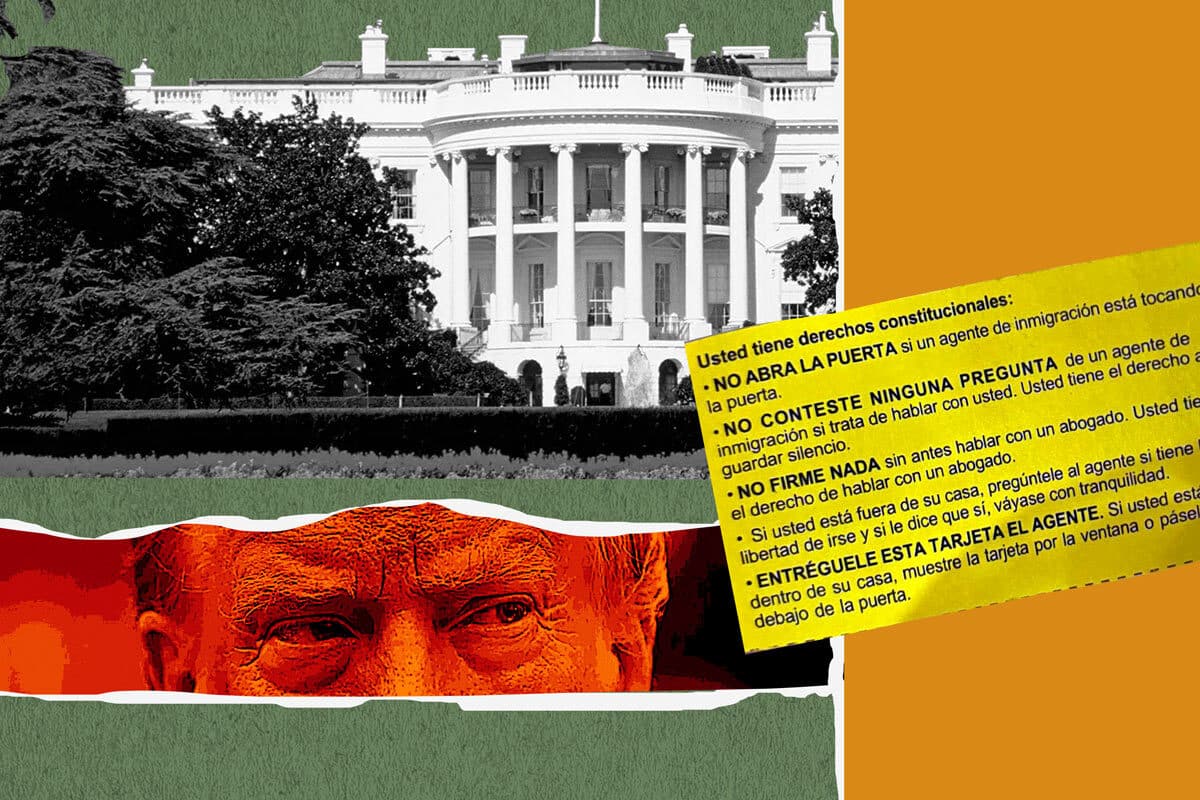
We tell him not to worry, that we’re tourists, that we have papers. Charlie breathes a little easier and, using his Spanish learned in a Latino household, recounts how they managed to evade agents from Immigration and Customs Enforcement, ICE, the most feared officers in the country right now. The agents had burst into the Asian restaurant without warning during an immigration raid, just blocks from the White House, the very building where these sweeping orders originate in a country whose “American Dream” has always been built, to a large extent, on migration.
ICE officers stormed in and targeted the waiters at the bar and in the dining room. Charlie was one of them. They didn’t stick around to get caught, they bolted out onto Mount Pleasant Street.
“But all of us who ran out are U.S. citizens,” he says.
“Then why did you run?” I ask. His answer is short:
“To distract ICE…”
The decoy gave the Honduran and Salvadoran cooks time to escape through the back door. Those undocumented workers were the ones the ICE agents were after. Charlie says it wasn’t improvised, it was a rehearsed maneuver to protect their coworkers. And it worked. Since that day, they’ve gotten better at preparing for raids. Handing out the yellow card, about the size of a business card, has become a silent form of warning against a loud and terrifying state policy, especially for Hispanic communities.
It’s a federal policy that, under Trump’s second term, has disrupted the delicate balance of immigrant communities in the U.S., more through the aggressiveness of its tactics than its actual results. Between January and June 11, 2025, a total of 106,463 people have been deported, according to ICE data.
That figure falls far short of the “millions and millions” Trump promised to deport during his second inauguration speech. Those numbers have angered the Republican president, prompting his political and institutional machinery to double down on its immigrant hunt in an effort to surpass Barack Obama’s title of “deporter-in-chief.”

ICE raids have disrupted normal life in Washington, D.C., a sanctuary city for migrants. Latino restaurants are empty. Photos by Wilfredo Miranda Aburto | Divergentes. The card distributed to migrants in Washington, D.C. There are fewer people on the streets of Washington, D.C., especially in the subway, which is also used by migrants.

To compare: in April 2025, Trump deported 17,200 people. But 17,200 deportations a month is less than half the pace needed to reach Obama’s 2013 record of 430,000 in a single year. Still, he is moving fast to make sure his fiery threats not only provoke fear but achieve maximum impact, fulfilling one of his boldest promises, delivered in typical hyperbolic fashion: “The largest mass deportation in history.”
Recently, Trump secured a major legislative victory in Congress with the passage of the One Big Beautiful Bill, which provides an unprecedented budget boost to ICE: from $10 billion to more than $100 billion annually by 2029. The bill includes massive investments in detention and deportation infrastructure, hiring more agents, militarizing border zones, and building new detention centers, drastically expanding ICE’s operational capacity. With those billions now greenlit, Trump’s threats now carry sharper teeth, and the waiters in Mount Pleasant know it.
“You have constitutional rights. DO NOT OPEN THE DOOR. DO NOT ANSWER ANY QUESTIONS. DO NOT SIGN ANYTHING. HAND THIS CARD TO THE AGENT. If you are inside your home, show this card or slide it under the door,” reads the bilingual card (Spanish on one side, English on the other) now circulated at the Asian restaurant. Because no one, says Charlie, is safe from this mass deportation policy that was triggered the moment Trump returned to the White House.
“Fewer people want to work. Too much fear. A lot,” sums up Charlie, who, like an apron-clad activist, asks not to be identified. In just six months of the Trump 2.0 administration, the U.S. is a different country when it comes to immigration. While the raids across multiple cities, including so-called sanctuary cities, have been the most visible sign of his deportation obsession, the crackdown has been implemented across all levels of the federal government: strengthening ICE, tightening the judicial system, expanding militarized zones at the border, and reinforcing the wall, a structure that not only physically divides the U.S. from Mexico but also symbolically distances it from Latin America, the Caribbean, and even Asia and Africa, whose migrants now use Central America as a pathway to “El Norte.”
Even before receiving the full funding to ramp up his anti-immigrant campaign, Trump’s rhetoric had an almost immediate effect on the southern border: since January, migration flows have dropped nearly 90% in the southeastern sector. That’s where we traveled next to understand the changes that, according to the Republican president, his Cabinet, and even Border Patrol agents in Texas, New Mexico, and California, can all be summed up with one rehearsed line: “Don’t come… or there will be consequences.”
Second Stop | Sunland Park, 1,971 miles from the White House
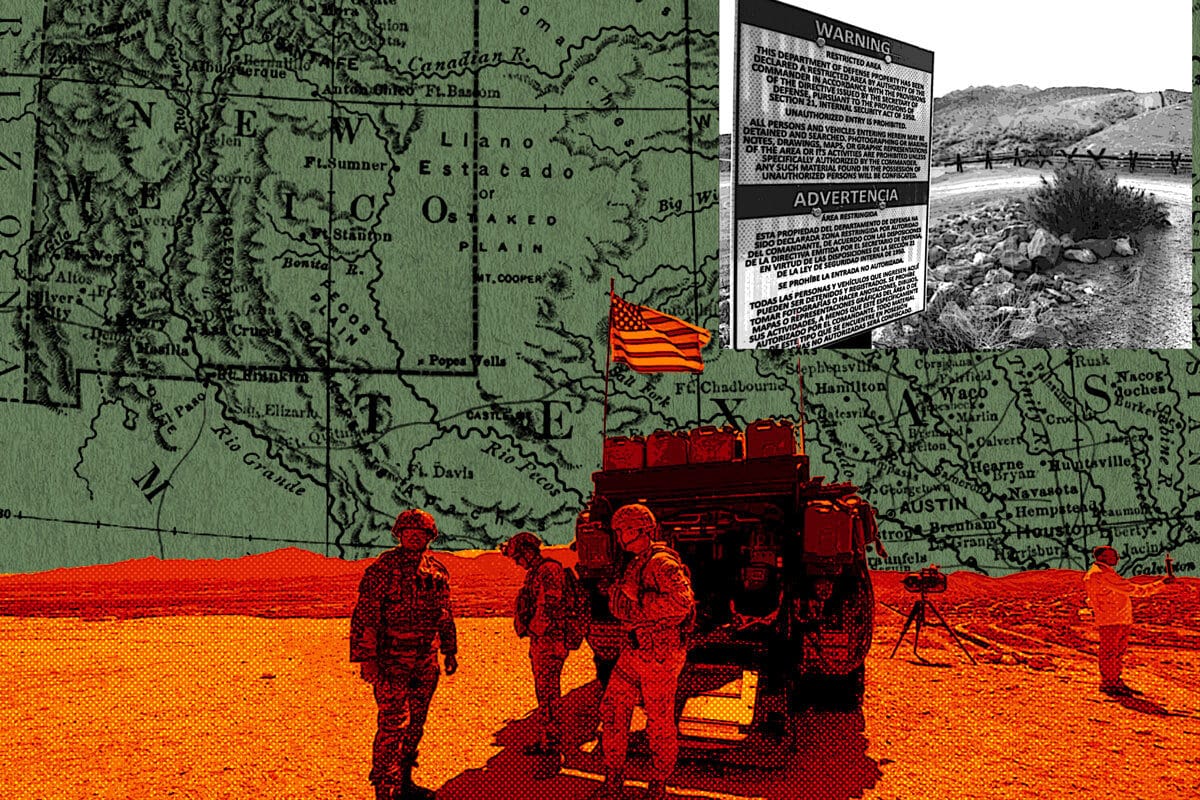
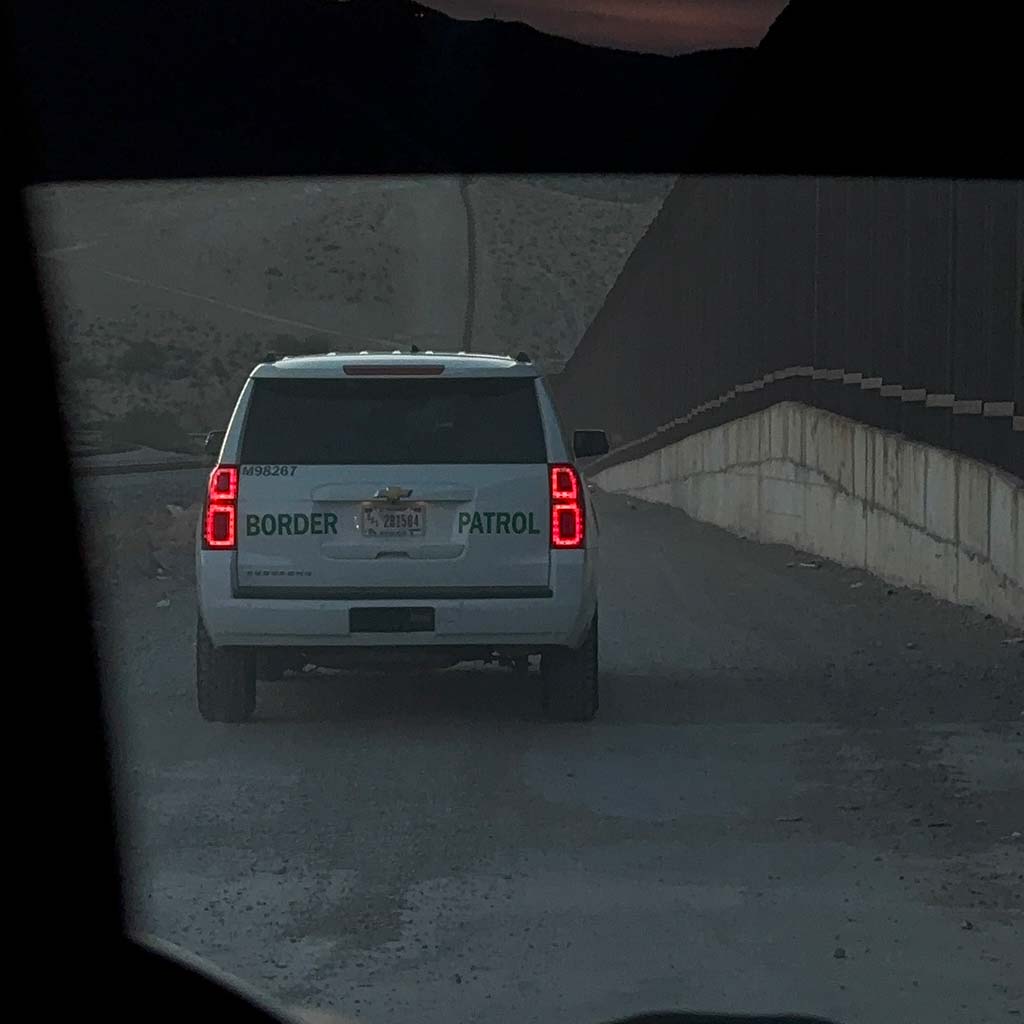
On June 23, 2025, Border Patrol officer Refugio Corrales began his shift before dawn in Las Cruces, a strategic sector for the Customs and Border Protection agency (CBP). This zone, situated between El Paso, Texas, and New Mexico, concentrates much of the federal surveillance efforts, as it’s one of the main corridors for irregular border crossings.
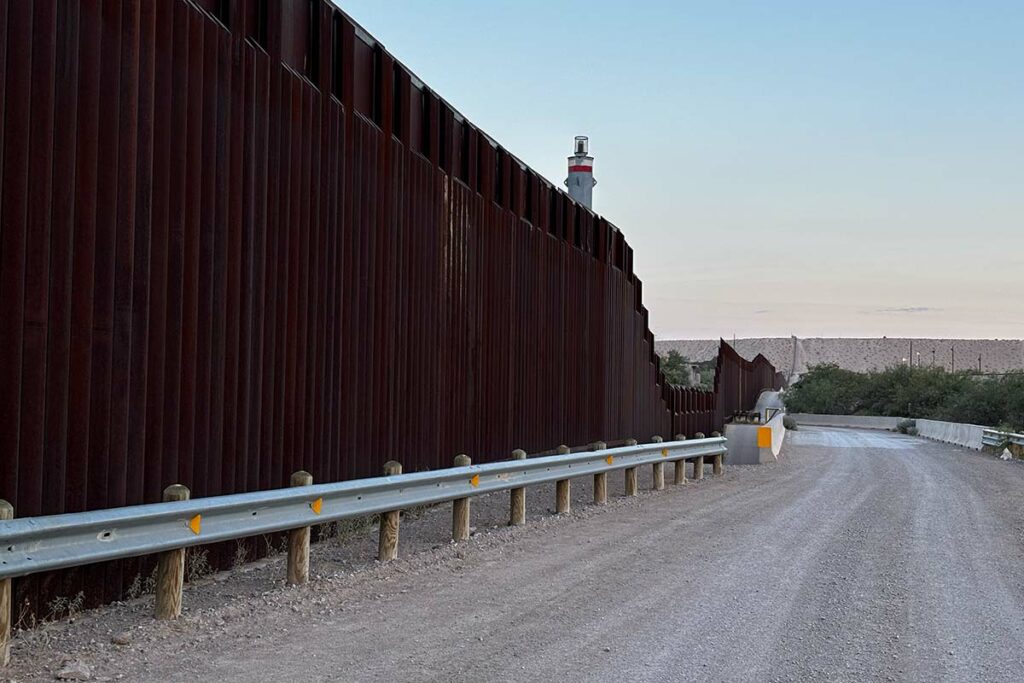
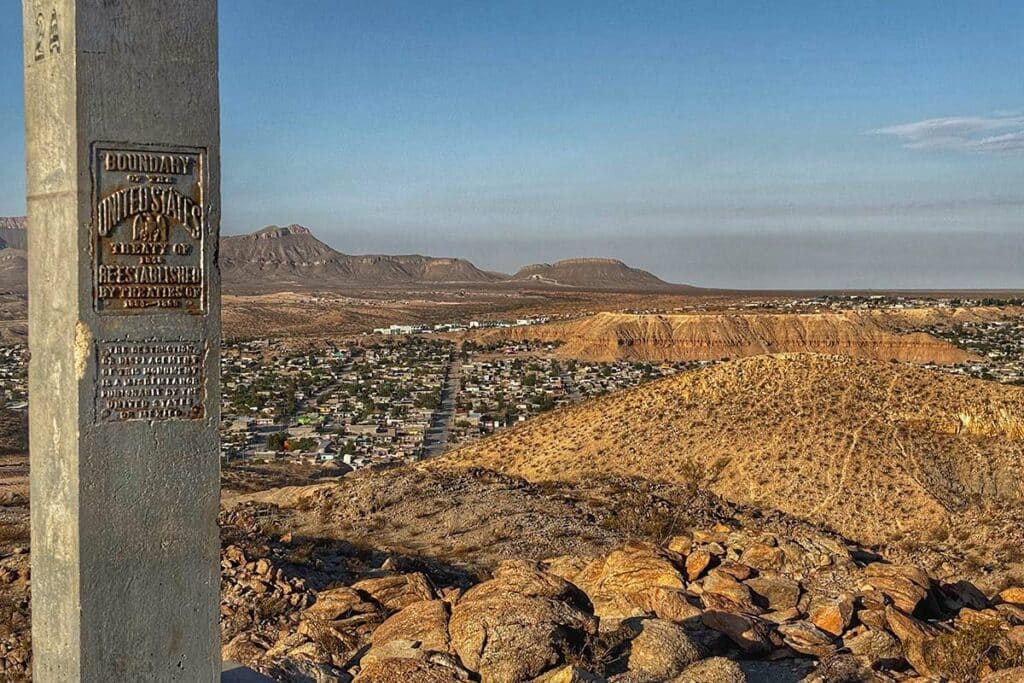
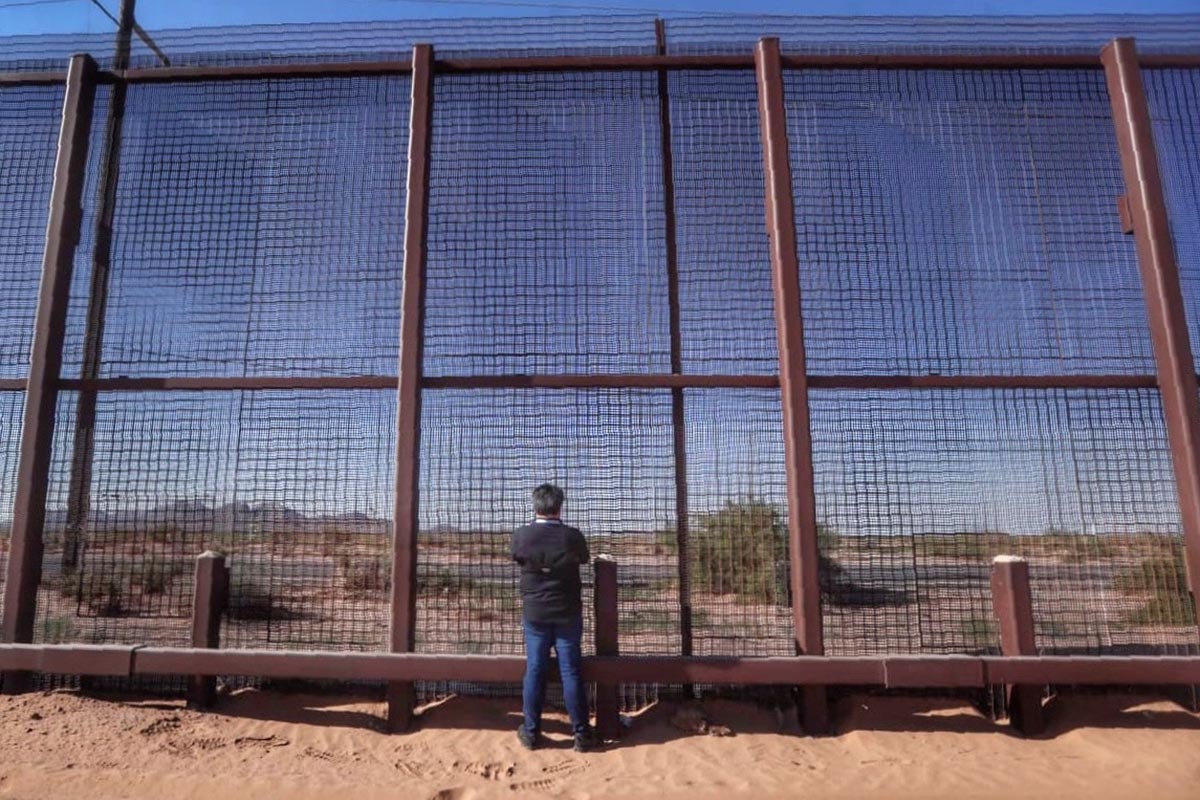
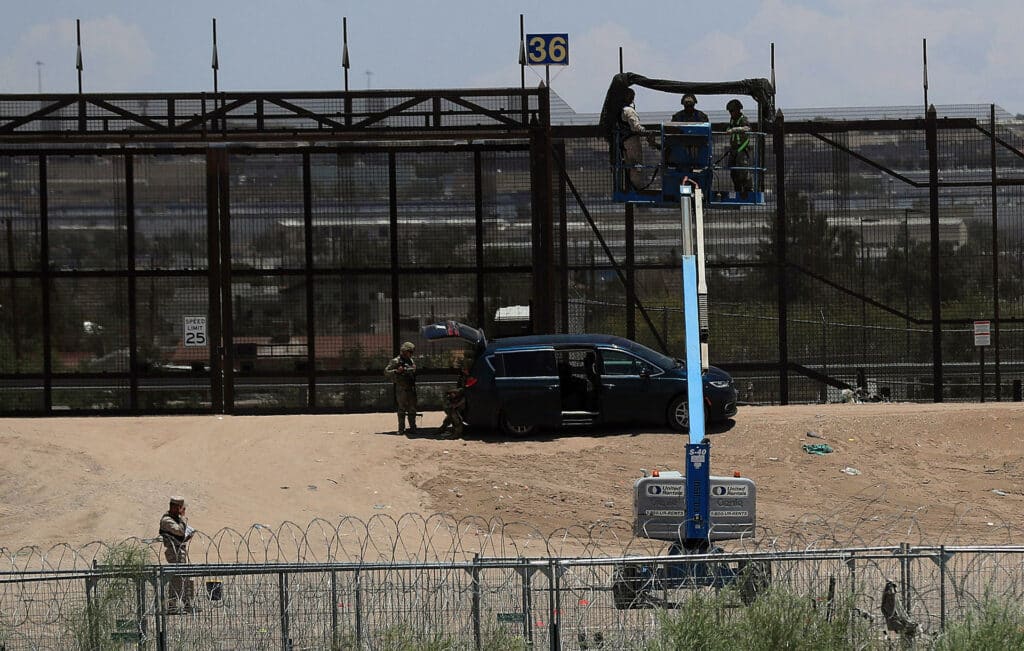
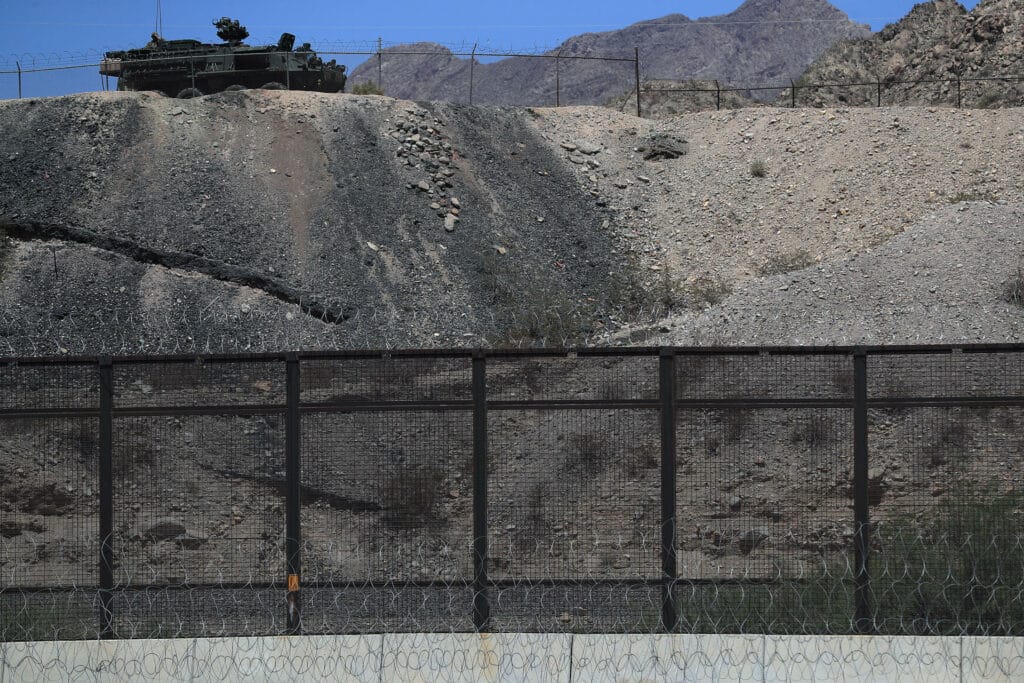
Leaving behind the hazy view of Ciudad Juárez, an intense Mexican city as dramatic as a Juan Gabriel heartbreak song, its neighborhoods sprawling like concrete fungi over the desert hills, the patrol heads toward Sunland Park. That’s when the wall comes into view, like the winding, bony spine of a sleeping dragon embedded in the rocky mountains.
“Those are National Guard units. They came a few months ago to help us protect the border,” says Officer Corrales, a tall, heavily built man. His Spanish is not good, but his thick accent reveals his Mexican heritage. He says the mornings have been quiet since the troops arrived in January 2025, just like this one. No migrants attempting to jump the wall. Or very few.
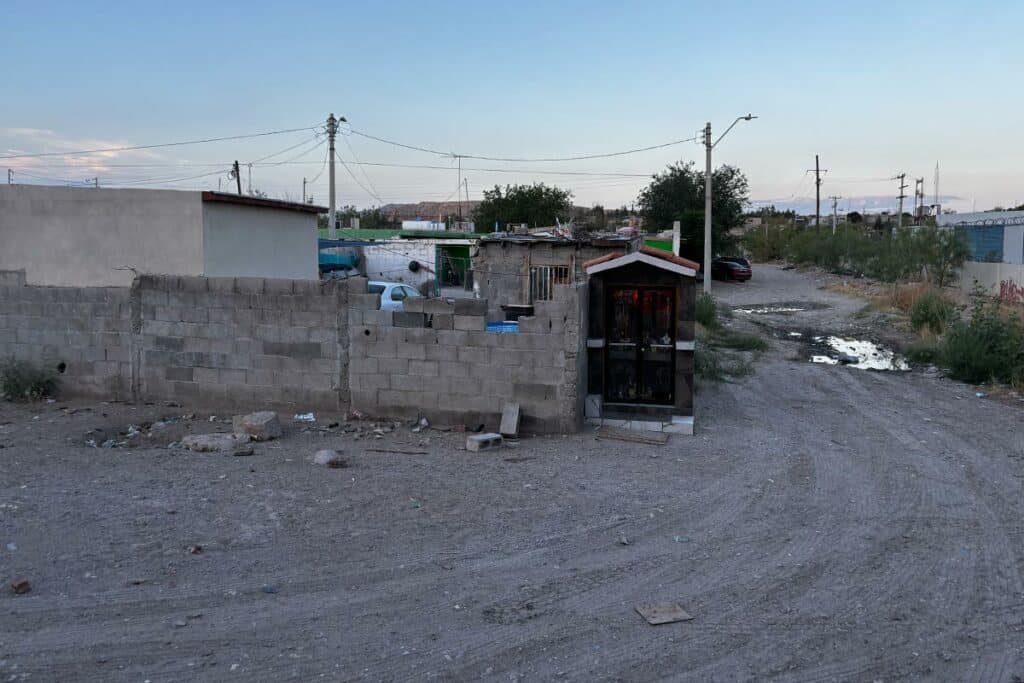
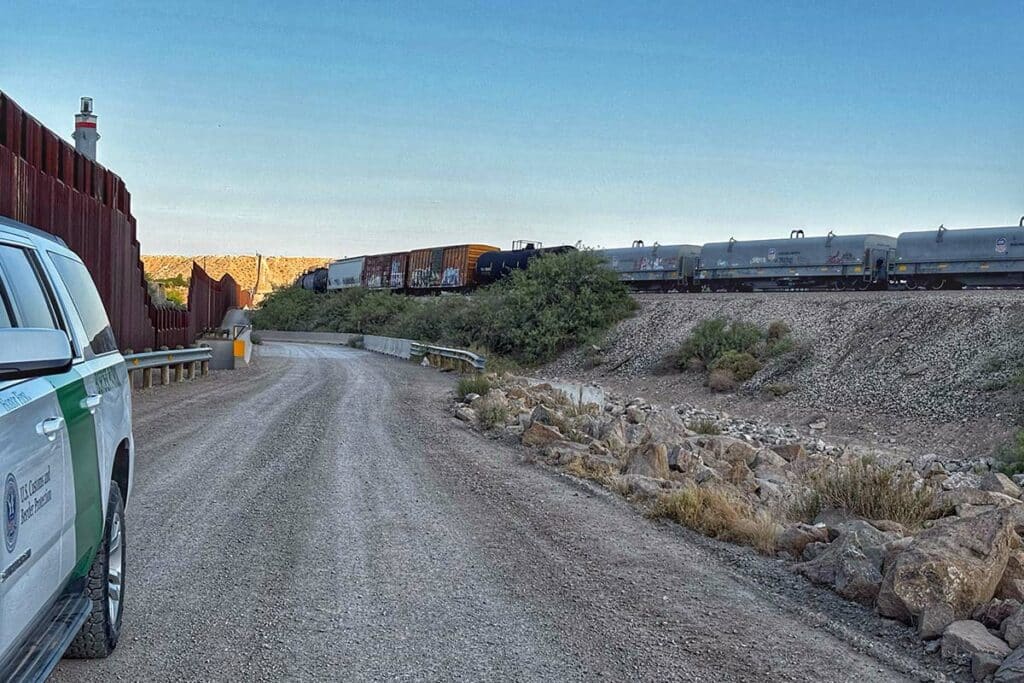
The roar of an endless freight train breaks the morning silence, summoning the sun to warm the fading footprints of a migration that Trump’s policies have scared away: empty water bottles, crushed soda cans, scraps of clothing snagged in the razor wire. On the other side of the fence, stray dogs wander through garbage piles stacked along the wall in the Anapra neighborhood, one of the most dangerous areas of Ciudad Juárez.
A sign of Anapra’s dangers, as Corrales points out, is the altar to Santa Muerte built by “coyotes”, human traffickers. It’s an unmistakable signal to migrants that these smugglers work in partnership with the hooded skeleton, who glows red from a flickering bulb in a concrete niche.
The collapse in migration flows has hit the “coyote business” hard. With Trump’s order to reinforce the border, smugglers have raised their prices to between $8,000 and $9,000 per person. Any migrant trying to cross this border now must deal with these criminal groups, either to pay for the crossing or for the “right of passage.” Failing to do so could mean death, disappearance, or rape. But never less than that. The cartels that dominate this southeastern border are Sinaloa, La Línea, and La Empresa.
The traffickers are now being forced to find new routes, as military presence has strengthened Border Patrol operations. Soldiers are stationed near the border with Strykers: eight-wheeled armored vehicles equipped with military-grade cameras that zoom in black and white, even at night, to detect movement. These armored units are also outfitted with other tools, sound cannons that emit disorienting waves, drone signal jammers, and of course, weapons that soldiers are authorized to use if they feel threatened, whether by a migrant or a coyote.
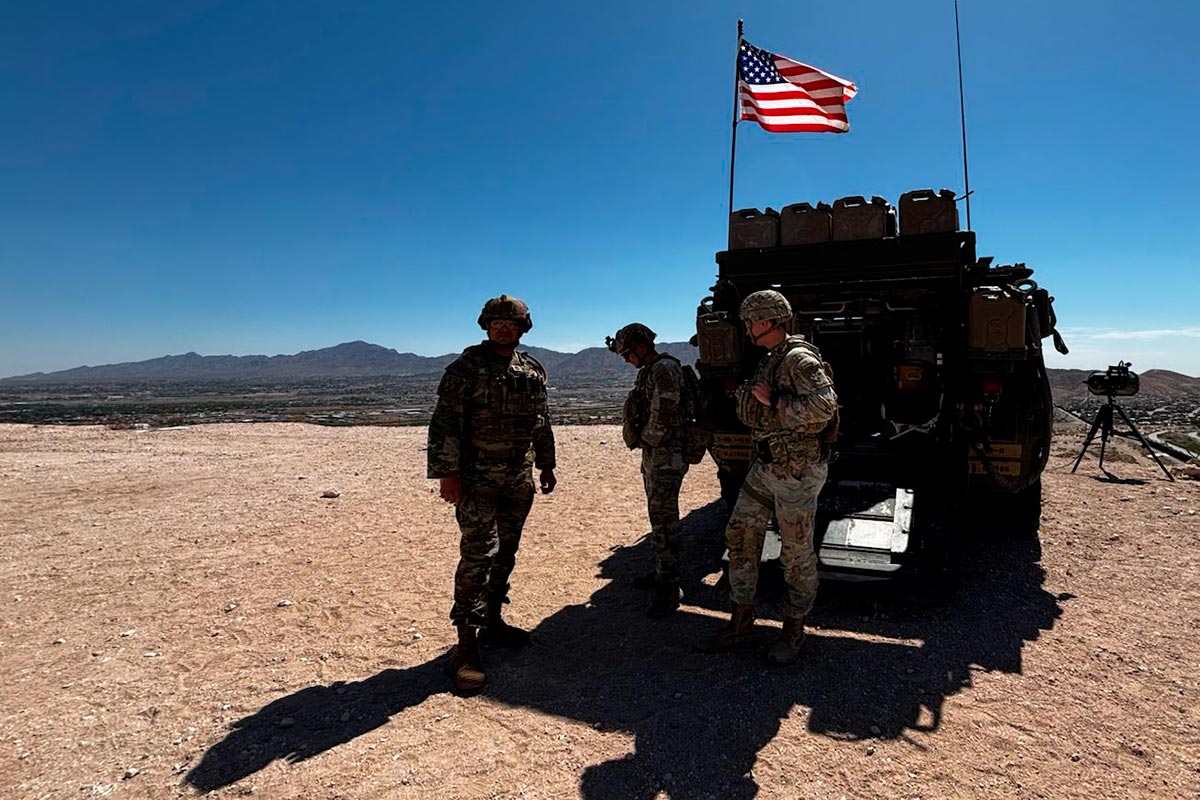
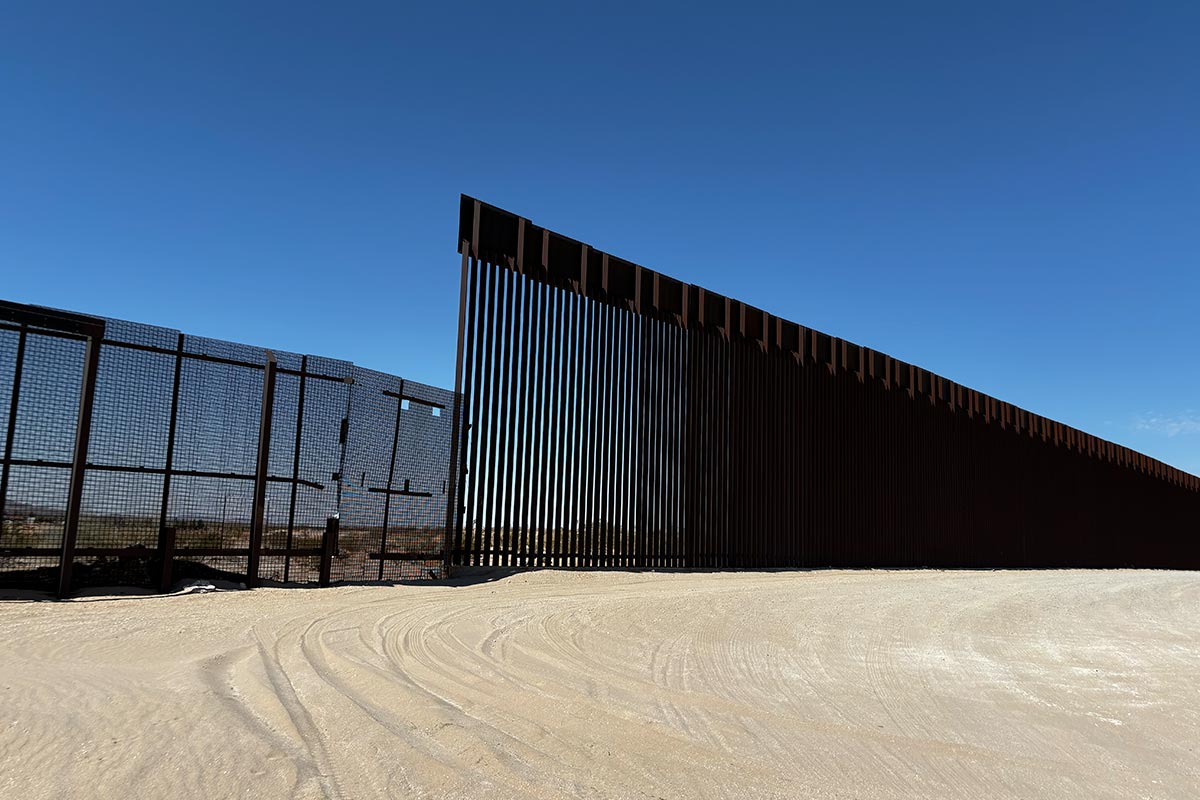
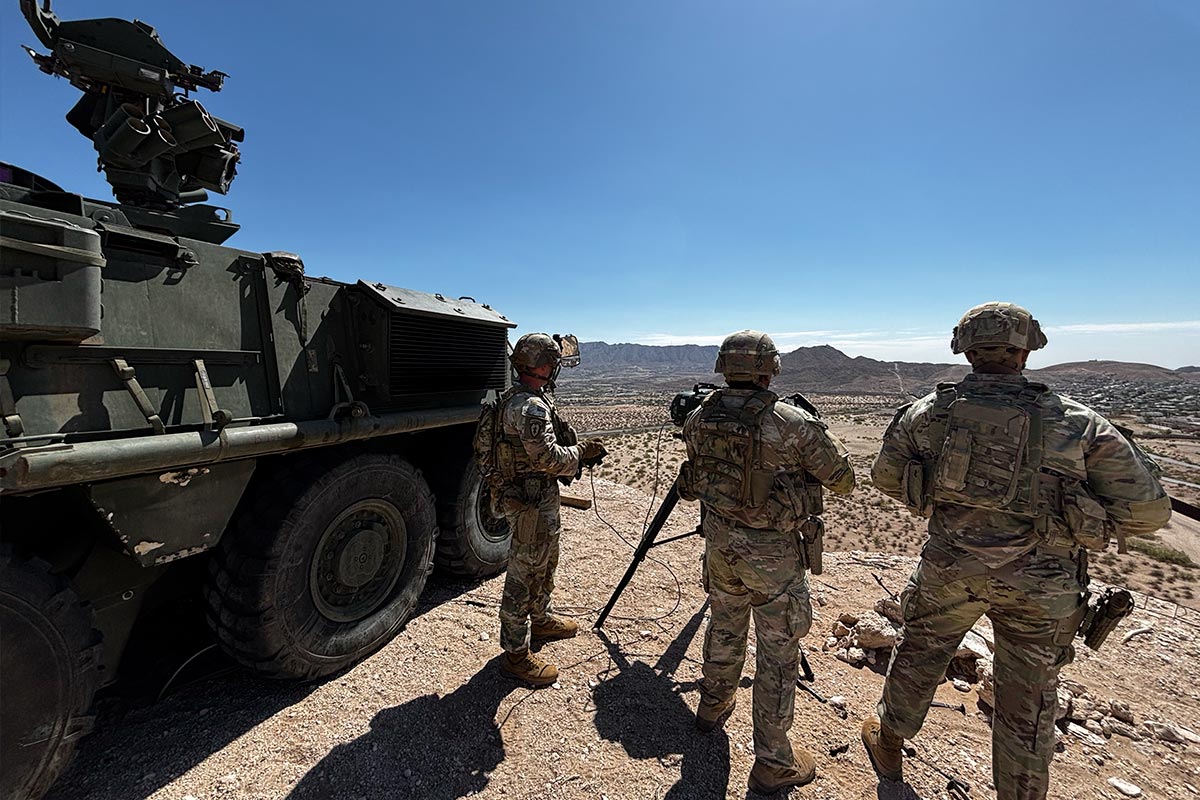

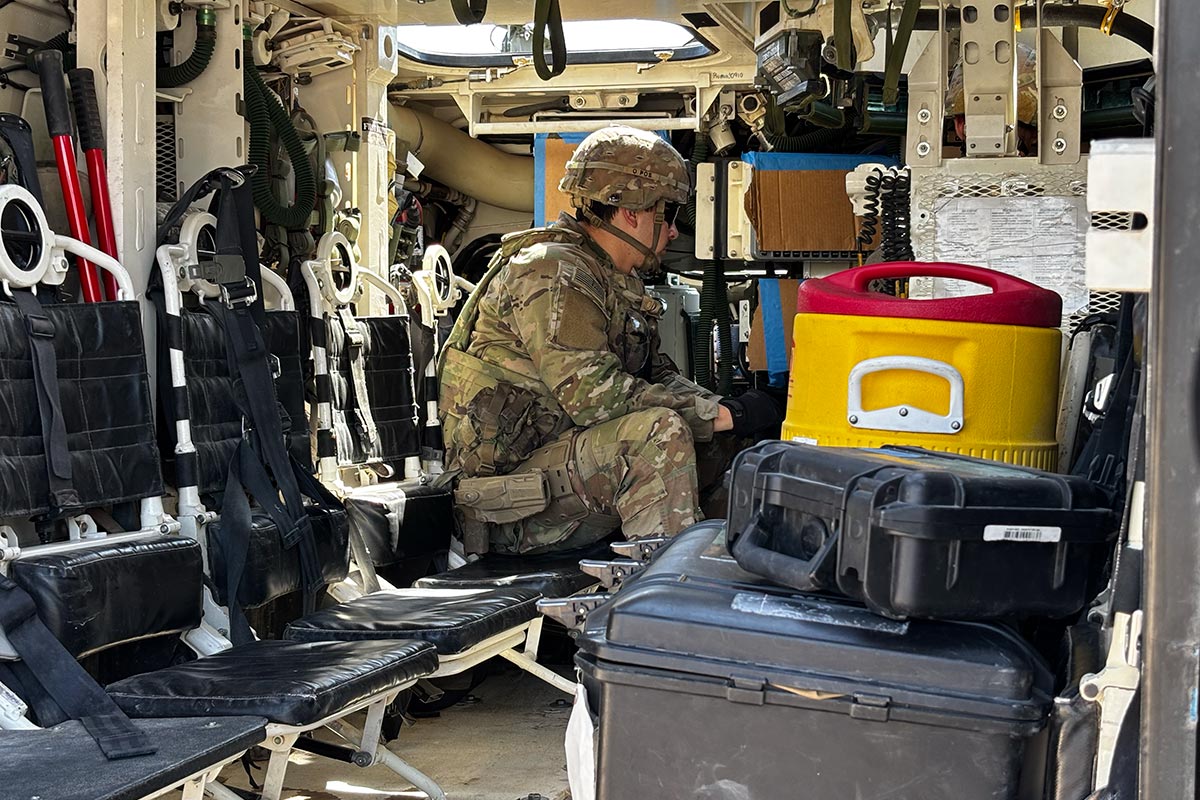

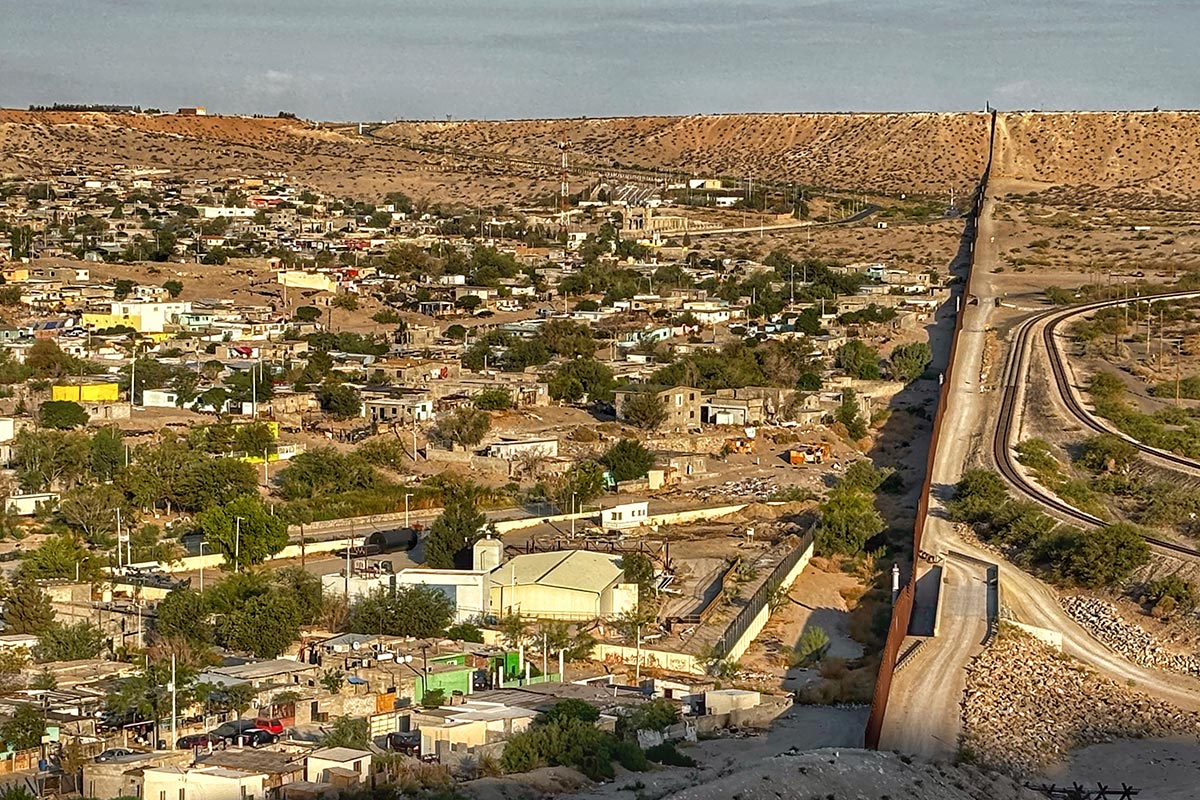
Under two executive orders signed by Trump in April, soldiers can use force against any civilian who “invades” the territory they protect. These orders established two military “national defense” zones along the southern border to block the arrival of migrants.
The first zone is a strip of land within the Roosevelt Reservation, stretching from New Mexico to Arizona and covering 440 square kilometers. The second encompasses 101 kilometers along the New Mexico-Texas border, where Colonel Jack Campbell, of the Southern Border Joint Task Force, tells DIVERGENTES that 550 soldiers are deployed in the southeastern sector to “defend the sovereign territory of the United States.”
Even though the military is technically limited to detaining migrants and handing them over to Border Patrol, their presence at the border is intimidating, and highly effective, judging by the sharp drop in detentions around Sunland Park and the greater El Paso area: from an average of 2,700 people per day to just 90 or even 60. But beyond whether a soldier apprehends a migrant, the deeper issue with the militarized zones proclaimed by Trump is this: “invading” them constitutes a federal crime. For a desperate migrant, it’s nearly impossible to tell when they’ve crossed into one of these military zones in the vast desert landscape, and even harder to understand the consequences: up to 18 months in prison and a fine of up to $100,000. This offense comes on top of another unavoidable federal crime: unlawful entry into the United States under Title 8, which carries an additional six months in jail and a $5,000 fine.
The constant presence of the National Guard, day and night, combined with land and aerial patrols by Border Patrol agents in Black Hawk helicopters, has sealed off one of the busiest borders in the world. And if that weren’t enough, Trump managed to pressure the Mexican government, through tariff threats, into deploying 10,000 National Guard troops to its northern border, primarily in the Ciudad Juárez and Tijuana regions.
“We do mirrored patrols with our colleagues in the Mexican Army,” explains Officer Corrales. Border Patrol agents are pleased with the drop in migrant crossings, which has eased their logistical burdens: no longer do they have to manage as many shelters, tend to injured migrants, care for unaccompanied minors, or assist people overcome by harsh conditions, whether from the scorching summer heat, dehydration, brutal winter cold, or attacks by wild animals, like snakes.
From October 2024, when the 2025 fiscal year began, through June, Border Patrol detained 615,249 migrants. But since January 2025, when Trump returned to the Oval Office and launched his anti-immigration campaign, those numbers have plummeted. Apprehensions across all U.S. borders fell to just 25,228. And the trend continues downward.
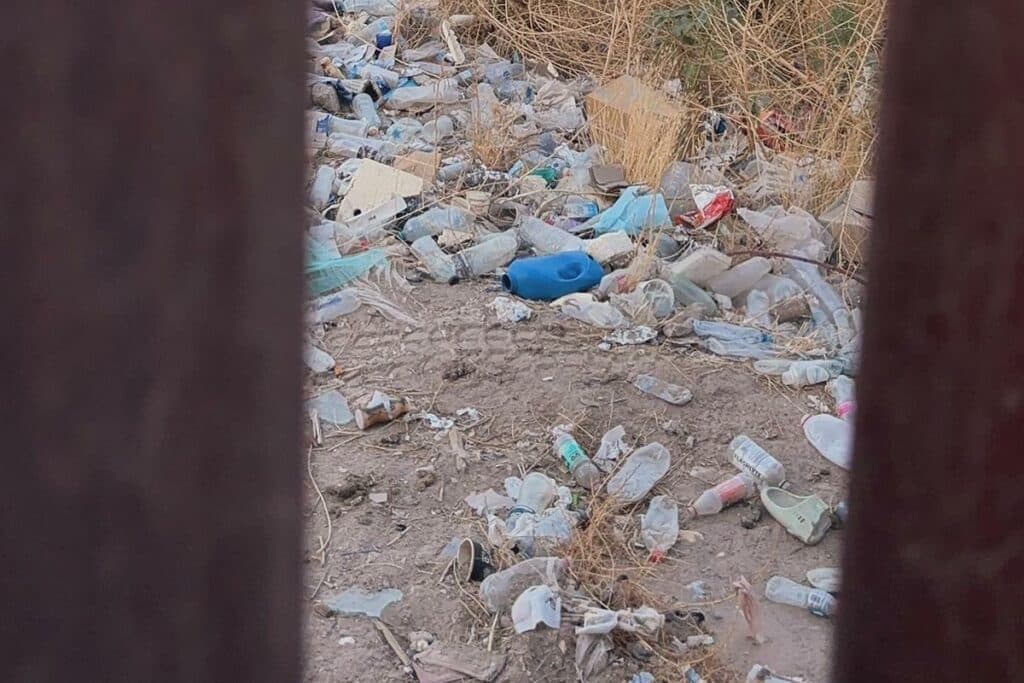
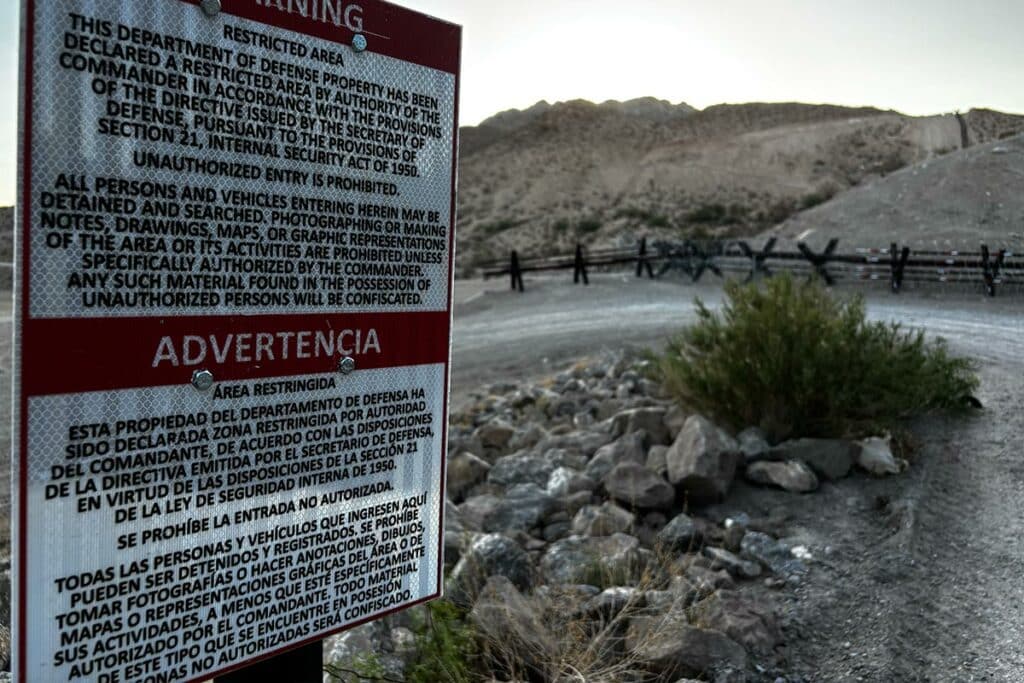
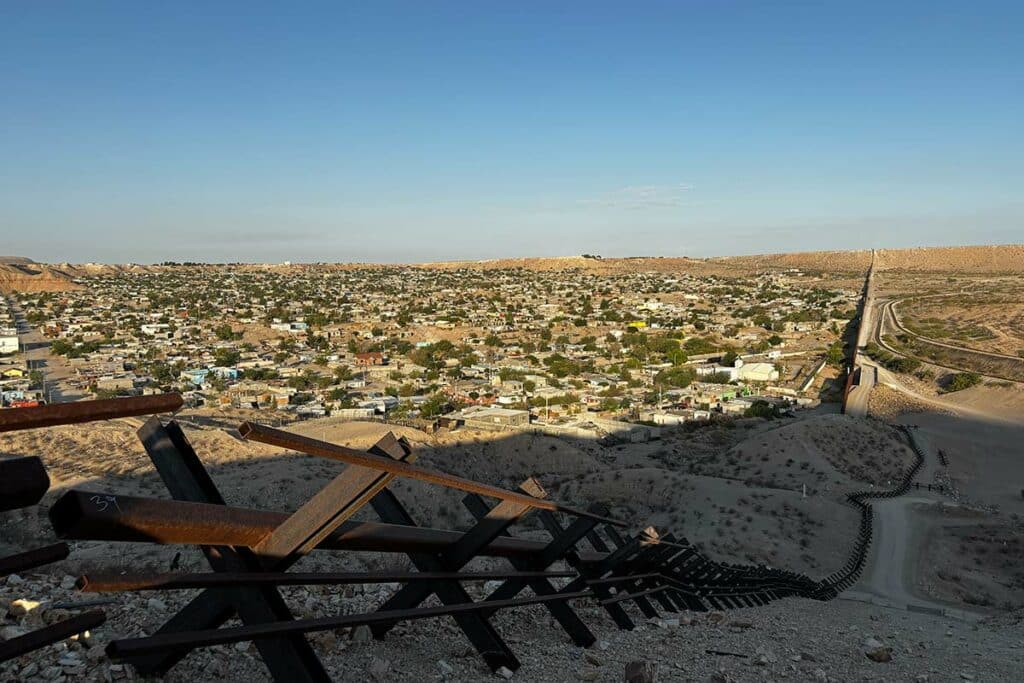
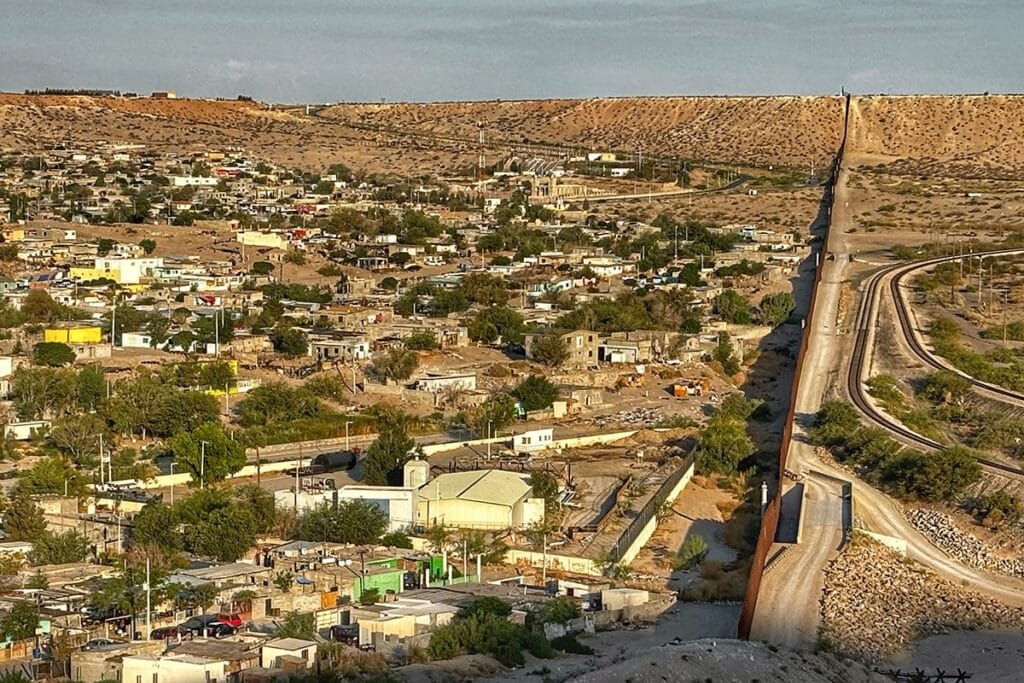
“That old Catch and Release theory, that’s over,” says Claudio Herrera, a Border Patrol spokesperson. He’s Mexican by origin and fully in control of the narrative: he used to be a TV reporter. He’s handsome and looks like a cowboy movie star. “We used to be overwhelmed. The only legal way forward was to appear before an immigration judge to determine your status. But not anymore. We’re arresting and deporting people immediately.”
Officer Corrales nods while Herrera delivers his warnings to the cameras about the string of dangers that come with attempting to migrate illegally to the U.S., particularly through the Mexican border. The words are chilling, but it’s hard to say if they truly deter those fleeing lifelong poverty and exclusion, permanent violence, extortion, political persecution… and so on.
Despite Trump’s barrage of threats, there are still those 60 to 90 migrants who try each day to slip past the wall near Las Cruces. Loud threats don’t discourage despair. Not completely.
Then I look at Officer Corrales, and I can’t help but reflect on the irony of his first name, Refugio, or “Refuge”, and his Mexican heritage, and the job he’s doing: preventing others like his own family from achieving the American Dream.
“Serving in Border Patrol is an honor. It’s an honor to defend the borders of our country,” he tells me. Then he falls silent, staring at the arid horizon, etched with the wall, its jagged spine recalling a dragon that now sleeps later into the day, because fewer migrants are trying to tame it and leap northward.

Third Stop | Western District Federal Court, Texas. 1,962 miles from the White House

José Juan Madrigal, shackled at the wrists and ankles with heavy chains, waits for Judge Kathleen Cardone to enter the courtroom and hand down his sentence. Originally from Michoacán, the 40-year-old has a boyish face. With round glasses and a perpetually startled expression, he resembles Milhouse from The Simpsons, Bart’s best friend. He had no criminal record but ended up in this federal court in El Paso, Texas, charged with reentering the United States illegally, a criminal offense under federal law, specifically Title 8.
If anyone knows what it’s like for luck to run out, it’s Madrigal. He had spent 15 years living in Chicago, after crossing the border a second time. For all those years, he lived the typical migrant life: working job to job, buying a car, having a U.S.-born son, and even building a house back in Michoacán. When he heard about Trump’s renewed crackdown on migrants, he decided it was time to go home. What else was left? The house was ready, and most importantly, his son could now take care of himself. “And before they catch me, I’d rather leave,” he told the court.
He began the journey back to Mexico by land. He made his way south from Chicago to an international bridge; he didn’t specify which, in his final plea before Judge Cardone. But authorities stopped him there. Upon reviewing his file, they found it was his second illegal reentry, which pushed his case into the criminal justice system, even though he only wanted to go back to Michoacán. “I’m sorry, but just deport me to Mexico,” he begged in court, not necessarily because that’s where he wanted to end up, but in hopes of avoiding a two-year prison sentence.
Judge Kathleen Cardone heard Madrigal’s final words with the help of a court interpreter. She also considered the prosecution’s request: the maximum sentence, as in four other immigration cases she had reviewed that same June afternoon. Despite her tough profile, she once handled the prosecution of powerful Mexican drug lord Ismael “El Mayo” Zambada in El Paso, Cardone gave Madrigal the minimum sentence: six months in prison. Somehow, perhaps because of her long experience with immigration cases, the judge seems to retain a certain empathy toward Latinos.
But beyond Judge Cardone, a U.S. judicial source told DIVERGENTES, on condition of anonymity, that these prosecutions are a top priority under the Trump administration. Once migrants complete their prison terms, they’re transferred to ICE custody for deportation. “It’s almost certain they’ll be deported. There’s virtually no real chance of staying,” said the source. “It costs a fortune to bring these cases into federal criminal courts, but they’re doing it anyway.”
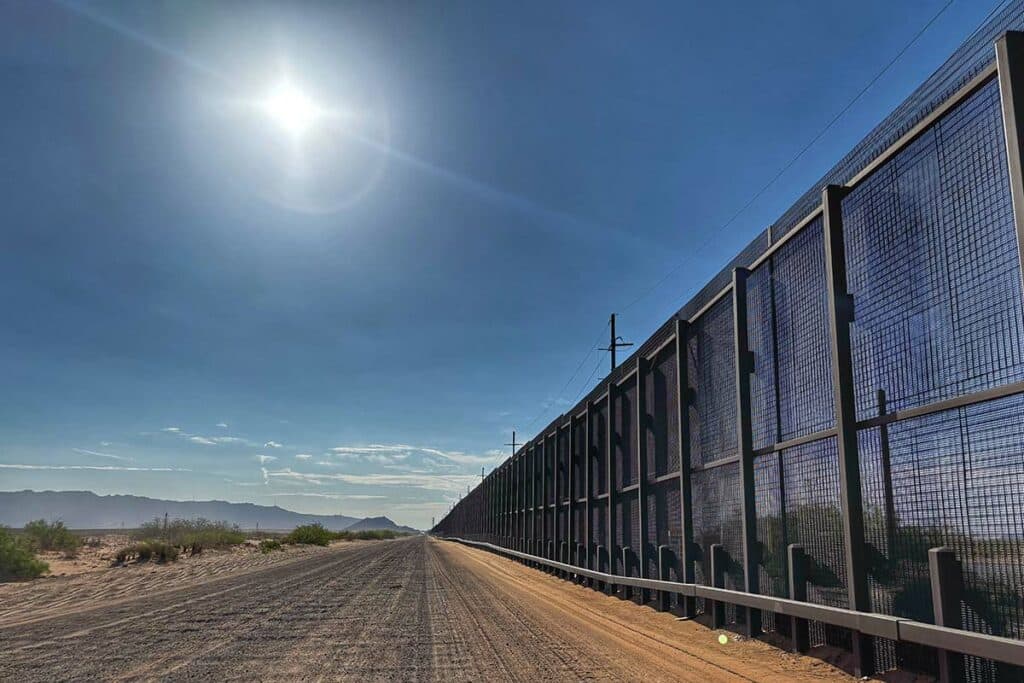

After Judge Cardone’s sentencing session, DIVERGENTES spoke with Ian Martínez Hanna, one of the most prominent prosecutors on the southern U.S. border and co-director of the Joint Task Force Alpha (JTFA), about evolving trends in human smuggling linked to irregular migration. Hanna rejected the idea that the courts are overwhelmed by Trump’s anti-immigration crusade, though he did acknowledge an uptick in criminal cases involving migrants entering the military zones along the border.
“The system isn’t clogged. These cases are a priority, and the necessary resources are being deployed to move them forward,” said the prosecutor, who is originally from El Paso and impeccably dressed in a suit and cowboy boots. With Trump’s administration oiling the wheels of the justice system, new funding for ICE, and Border Patrol now backed by the National Guard, the border security push is near total. Even at the very first link in the chain, one of the most crucial: the new Republican administration has eliminated the possibility of requesting asylum upon irregular entry at the border.
Under Biden, border agents were required to ask migrants if they feared returning to their country of origin. This was the protocol known as the Credible Fear Screening. Though not foolproof, a migrant only needed to show a slight indication of fear, as low as a 10% chance, to be detained, released, and scheduled for an immigration court hearing. But with Trump’s return, Border Patrol agents are no longer required to ask that question. Worse still, the credibility threshold to trigger the asylum process has been drastically raised, now over 50%, according to migrant advocacy organizations in El Paso.
Under Trump 2.0, a migrant must practically scream their fear to the agent, and even that doesn’t guarantee they’ll be heard. It all depends on whether the agent notices, or wants to notice, their desperate plea. But that’s not happening. The directive is clear and repeated like a mantra: “Don’t come. Immediate deportation. Now there are consequences: 100% detention,” says Alfonso Martínez, another Border Patrol spokesperson. It’s a basic but significant change, one that starkly illustrates Trump’s new immigration barricade. Because the wall isn’t just steel fencing, it’s also the federal policy that reinforces it from the inside. “That’s what consulates are for, to demonstrate fear. You shouldn’t cross illegally. The goal is order and security at the border,” the officer concludes.
Fourth Stop | Park Haven Avenue, 1,953 Miles from the White House
“Órale, ICE isn’t that big a problem here in El Paso, but I have heard they’ve set up checkpoints on the outskirts. Out near Tornillo, last week. That town called Tornillo,” says Vicente, his Mexican accent thick and unmistakable. “Then there’s this rumor going around that they’ll start up again next week… But who really knows anymore, with social media?”
Vicente has lived in El Paso for years. In his spare time, he drives for Uber, cruising along the city’s long freeways, where traffic flows smoothly and orderly, a stark contrast to the chaotic buzz of Ciudad Juárez just across the border. He has legal status in the U.S. and feels safe from Trump’s anti-immigrant policies. In fact, he voted Republican. What drew him in was Trump’s campaign promise to secure the border. Vicente aligns with the MAGA movement: he thinks Biden was “a disaster” when it came to immigration. He sees himself as a “local,” a true El Pasoan, and speaks from that identity.
“When all the Venezuelans came, crime started going up. People freaked out. I’m not against immigration, but I am against how it was done. I’m from Juárez, of course, we all come from over there, I’m not judging, but I think it was wrong to open the border like that, with no filter. That guy (Biden) just opened the gates recklessly.”
Like much of Trump’s rhetoric, Vicente’s criticism of Biden relies on half-truths. But Elliot Spagat, national immigration editor for the Associated Press, who’s been covering the border for decades, points to the facts: In March 2020, during his first term, Trump invoked Title 42 as a public health measure to expel migrants without processing them, citing the Covid-19 pandemic. Biden inherited the policy and kept it in place for another two years. It wasn’t until May 2023 that he repealed it and replaced it with a new framework under Title 8, which imposed stricter “consequences” for crossing irregularly.
After the pandemic, the U.S. experienced one of the fastest economic recoveries in the world. The Biden administration created over 13 million new jobs, mainly in low-wage sectors like agriculture, construction, and services. That drew migrants en masse from Latin America and the Caribbean, just as migrant caravans were reemerging and the crisis of unaccompanied minors at the border was worsening.
Biden’s immigration policy swung between humanitarian rhetoric and the continuation of Trump-era measures. Despite his promises to dismantle them, during his first two years he maintained both Title 42 and the “Remain in Mexico” policy. The confusion was so great that thousands of migrants crowded along the southern border hoping for a chance to cross.
According to U.S. Customs and Border Protection (CBP) figures, there were nearly six million migrant “encounters” at the nation’s borders between fiscal years 2023 and 2024 (6 103 286 in total). “In 2023, the flow was out of control,” recalls the journalist.

That same year, over 478,000 asylum applications were filed. Political pressure mounted, and in 2024, the Biden administration effectively suspended asylum access for most migrants, tightening the rules and requiring use of the CBP One app. At the same time, they rolled out a humanitarian parole program limited to citizens of Cuba, Venezuela, Haiti, and Nicaragua with U.S.-based sponsors.
The measures polarized the public: to the right, they were too weak; to the left, overly harsh. Meanwhile, Trump surged in the polls, fueled by his anti-immigrant rhetoric. The final blow came when Biden dropped out of the presidential race and Kamala Harris stepped in. The defeat was resounding. In his first 72 hours back in the White House, Trump overhauled much of the immigration system. His new message was blunt and to the point: “The largest mass deportation in history.”
For Vicente, all of that was “fine”, until ICE started going after people who were already living here. “That’s the problem. Look, I have my own beliefs, my own way of thinking,” he confesses while driving his Uber. “I don’t know if I’m right or wrong, but I think that when you go to clean something that’s really dirty, sometimes you end up breaking a few things. If they hand you a filthy kitchen, you’re going to break a plate or two cleaning it. That’s what I feel is happening. Biden’s immigration policy was so bad that now we’re seeing an equally forceful response, but from the far right.”
Vicente asks not to be identified and agrees to be recorded only in profile. The sense that he, with his papers in order, was immune to Trump’s anti-immigrant crackdown has faded during the first six months of the new Republican administration.
“It’s intense now, because they’re going after working people. They’re hitting the fields, the construction sites… they’re not holding back anymore. These people, like it or not, are a big part of the economy. With all due respect, I’m not racist or anything, but not even Black folks are doing those jobs. And now the Latinos, especially the Mexicans, are getting swept up along with everyone else,” he laments.
He drives straight on the freeway, but his thoughts on Trump take some sharp turns. “You could say he closed the border and crime went down. That’s a good thing. But he’s got that racist side to him, that discriminatory streak… People are divided. I support him, really. But I think he should tone it down a bit. They should focus on the bad guys, not the workers. He can say they’re undocumented, but if you look at this country’s history, it was built on that. And not everyone who comes here without papers is a criminal.”
In fact, the data contradict Trump’s narrative. Numerous studies confirm that immigrants, whether documented or not, do not commit more crimes than U.S. citizens. In many cases, they commit fewer. Stanford University analyzed over 200,000 criminal sentences in Texas from 2012 to 2018 and found that undocumented immigrants had crime rates similar to or lower than citizens. For violent crimes, their rates were even lower. Institutions like the Cato Institute and FBI data have backed up the same conclusion: immigration is not linked to a rise in crime.
On Park Haven Avenue, where the Hope Border Institute operates out of a building lent by the Catholic Diocese of El Paso, young Aimee Santillana holds onto piles of data, and plenty of questions, about Trump’s anti-immigration agenda. She’s a migration analyst at this NGO, which is run mostly by Mexicans and Central Americans, especially Hondurans, judging by the posters of activist Berta Cáceres, murdered in 2016.
Santillana acknowledges that during peak migration periods there were far too many migrant deaths in the desert, but she also finds it appalling that Trump expanded ICE raids into protected areas like immigration courts, churches, and schools. In El Paso and across Texas, there have also been significant agreements between sheriffs and ICE aimed at increasing detention and expedited deportation powers. “People are so scared now they won’t even open the door to priests knocking to offer help,” she summarizes.
Santillana questions whether the cost of raids and legal proceedings is worth it, considering what immigrants contribute economically, particularly in her own city: “About 85% of El Paso’s population is immigrant. Most are undocumented or part of mixed-status families. In 2019, immigrants contributed $440.7 million in local taxes,” she explains. It’s a line of reasoning gaining traction at the national level in key sectors: from meatpacking plants in Omaha, Nebraska, to agricultural fields in Georgia, hotels and restaurants in New York, and the construction and manufacturing industries in Texas, Illinois, and Florida. And of course, in California, our next destination, where entire industries, especially in the southern part of the state, are propped up by migrant labor.
Fifth Stop | Harbor Island, San Diego, 2,657 Miles from the White House

At one of the piers on Harbor Island, along the calm, blue bay of San Diego that laps the foothills lined with elegant California homes, the Border Patrol’s Maritime Operations Division keeps its powerful boats anchored. When it’s time to deploy, these vessels patrol the waters bordering Mexico, where the wall splits into two parallel fences and ends abruptly, cutting into the frigid, perilous waters of the Pacific. On the other side lies Tijuana’s Colonia Libertad, where beachgoers sunbathe to the sound of melancholic corridos tumbados.
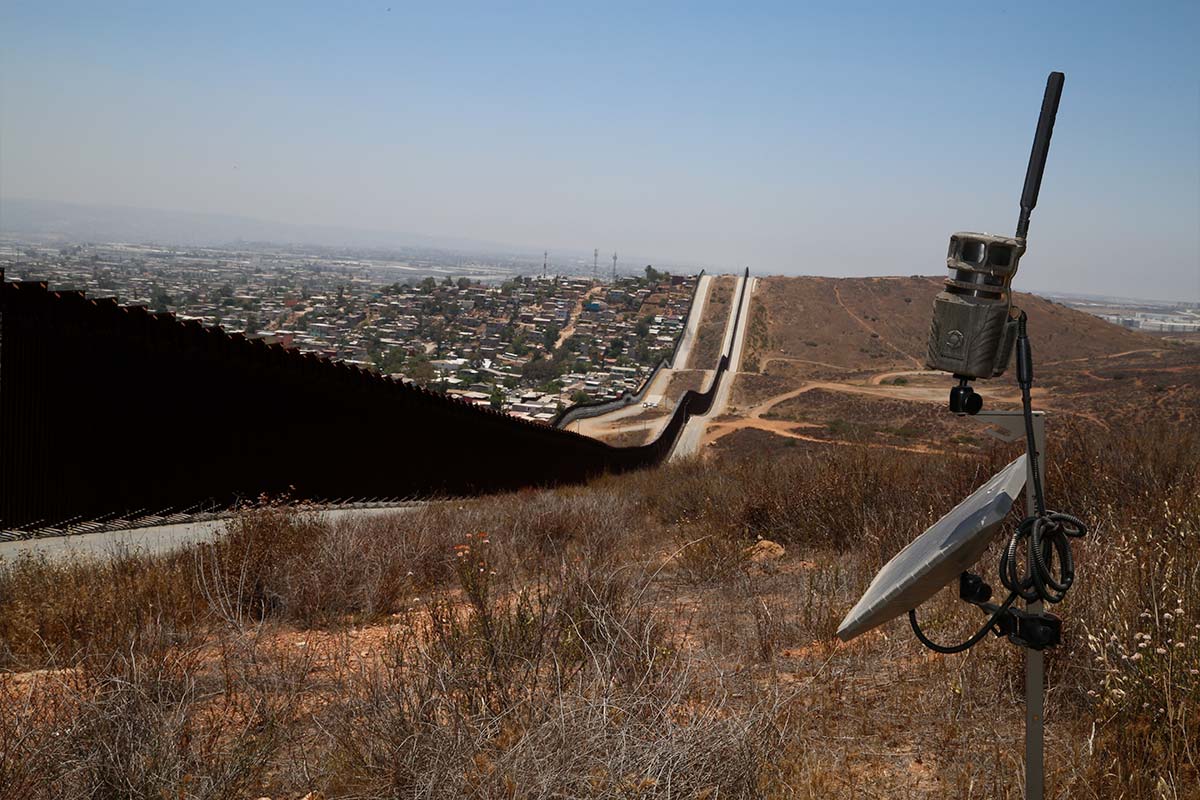
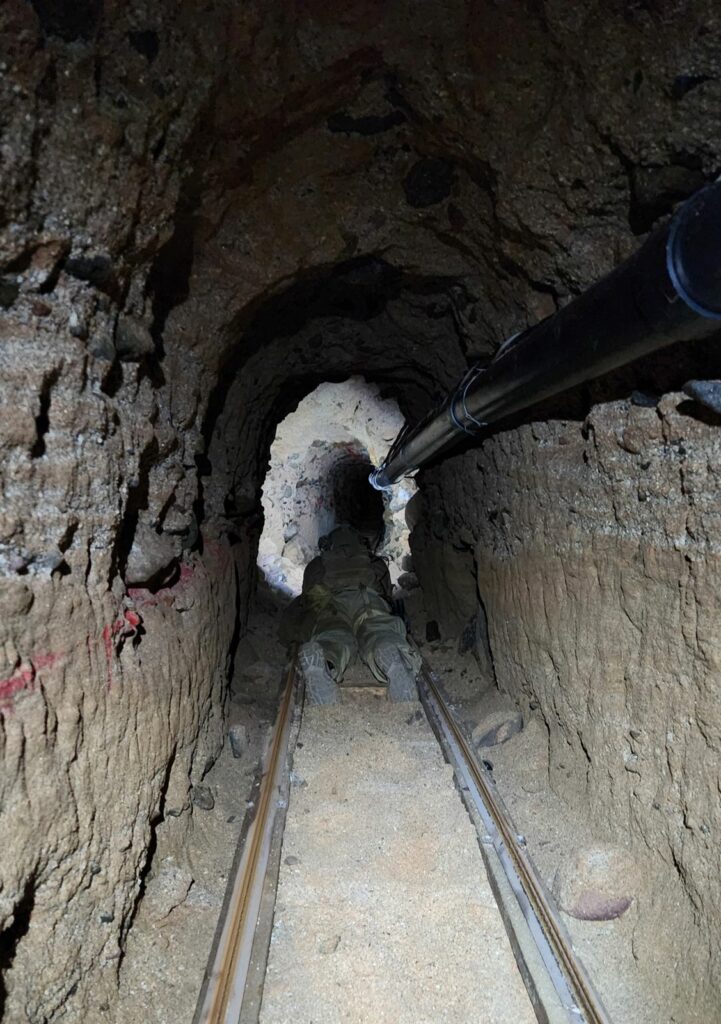
This is one of the most iconic stretches of the wall, home to Friendship Park, where divided families once exchanged greetings through a metal fence. Further inland, in Otay Mesa, one of the busiest commercial crossings, and also a hotspot for drug traffickers who dig tunnels, the wall is always double-layered. But in other segments, especially atop the arid hills overlooking one of Tijuana’s most impoverished areas, there’s no fence at all. The strong southern winds carry across the border the voices of peddlers buying scrap metal on the dusty streets below.
In some parts of this zone, remnants of the original wall still stand, a barrier erected by the Clinton administration using recycled metal landing mats from the U.S. military’s portable runways during the Vietnam War. Even in its origins, the wall bears the imprint of violence, a wartime relic that continues to inflict pain. Like all wars, it divides. And that division has been extended again in Otay Mesa, where Trump ordered construction of the wall to resume after Biden had paused it.
Even on this rugged terrain, engineers from Horrocks Construction are erecting towering metal posts filled with concrete: Trump’s wall, taller than any built by previous administrations since the 1990s. It’s his way of asserting he has “the biggest wall”: 32 feet high, topped with coiled razor wire. According to Border Patrol agents, thousands of migrants have left bits of flesh on those blades in their attempts to breach one of the most heavily guarded borders on Earth.
From this height in Otay Mesa, the vast Pacific unfolds, linking the beaches of Baja California to California’s coast, famous for the Pacific Coast Highway and glamorous spots like Malibu in Los Angeles County, about 100 nautical miles away. According to Border Patrol authorities, smugglers have managed to reach even there with overloaded boats packed with migrants.
Alex Rentería, Border Patrol’s Maritime Interdiction Supervisor, explains that unlike the land border, where crossings have dropped sharply, maritime encounters have remained steady. In fact, agencies in California’s Regional Coordination Mechanism (ReCoM) detected and apprehended 1,104 smuggled migrants along the state’s coastline during the 2025 fiscal year. That’s up from 897 the previous year, a 23% increase.

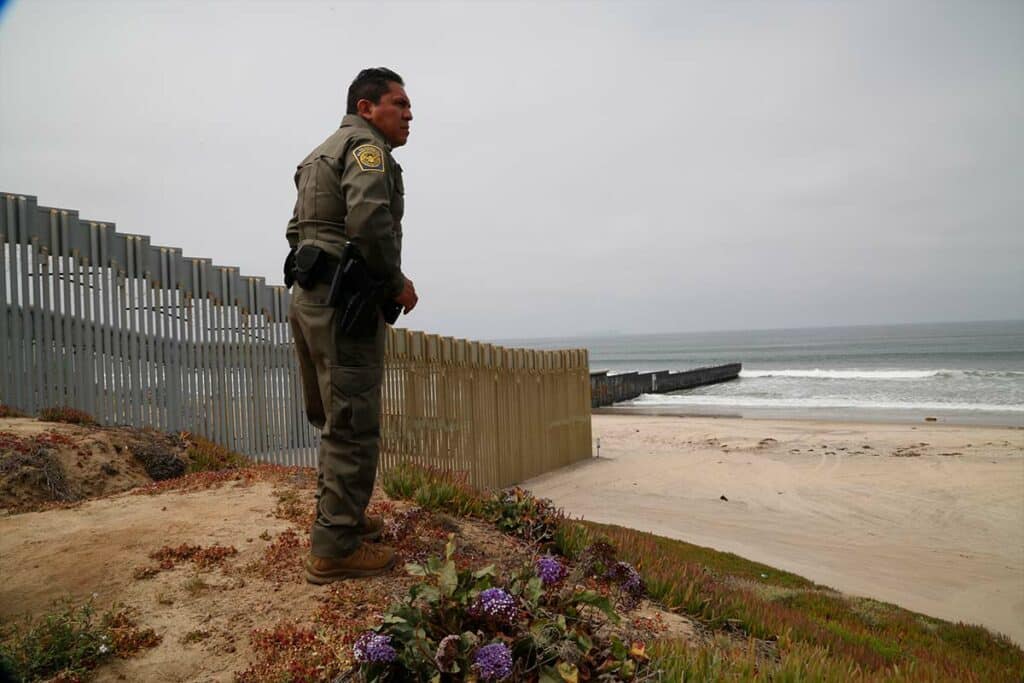
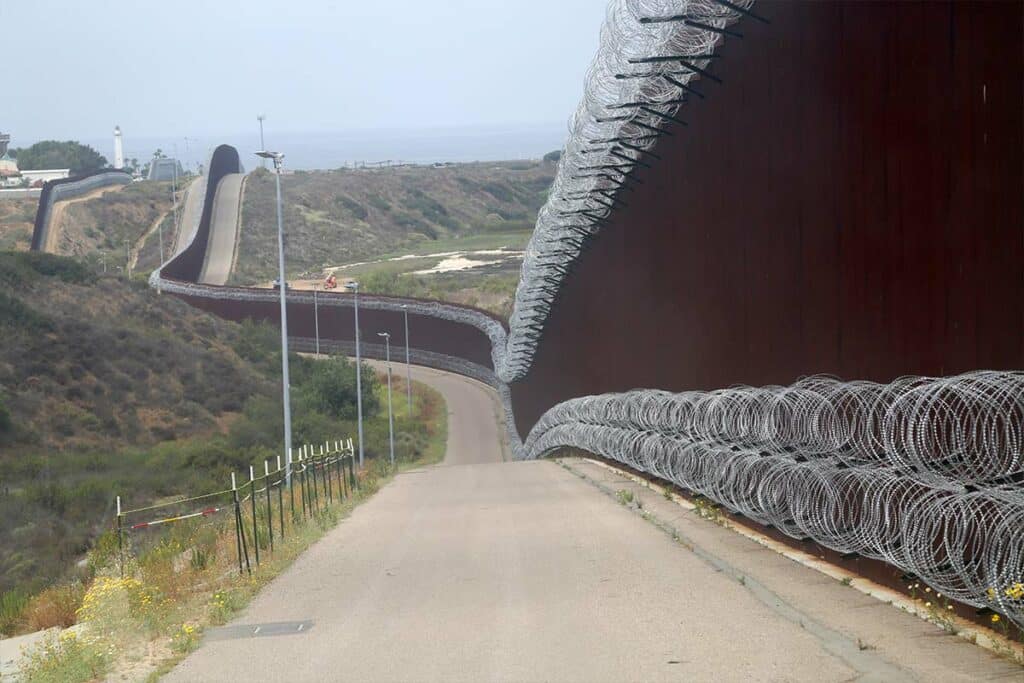

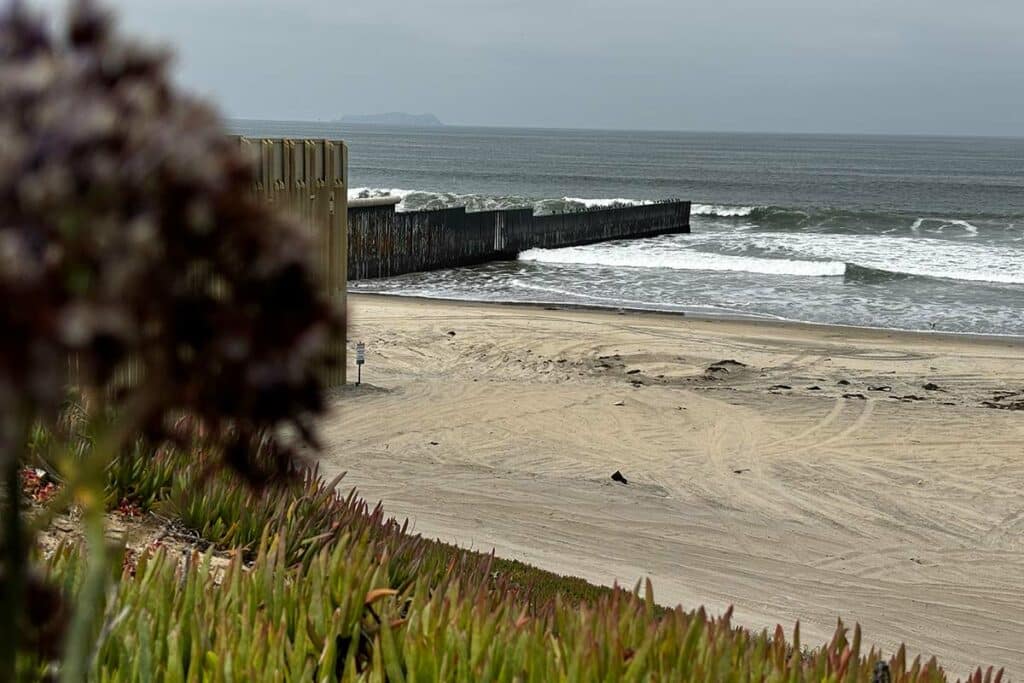

With the new changes pushed by Trump, smugglers convince migrants that the sea route is safer, while dramatically increasing the cost of the journey, up to $15,000 per person. It’s a steep price that offers no guarantees, as border agents maintain relentless surveillance and the dangers of the ocean remain constant: the cold Pacific waters and the ever-present threat of capsizing.
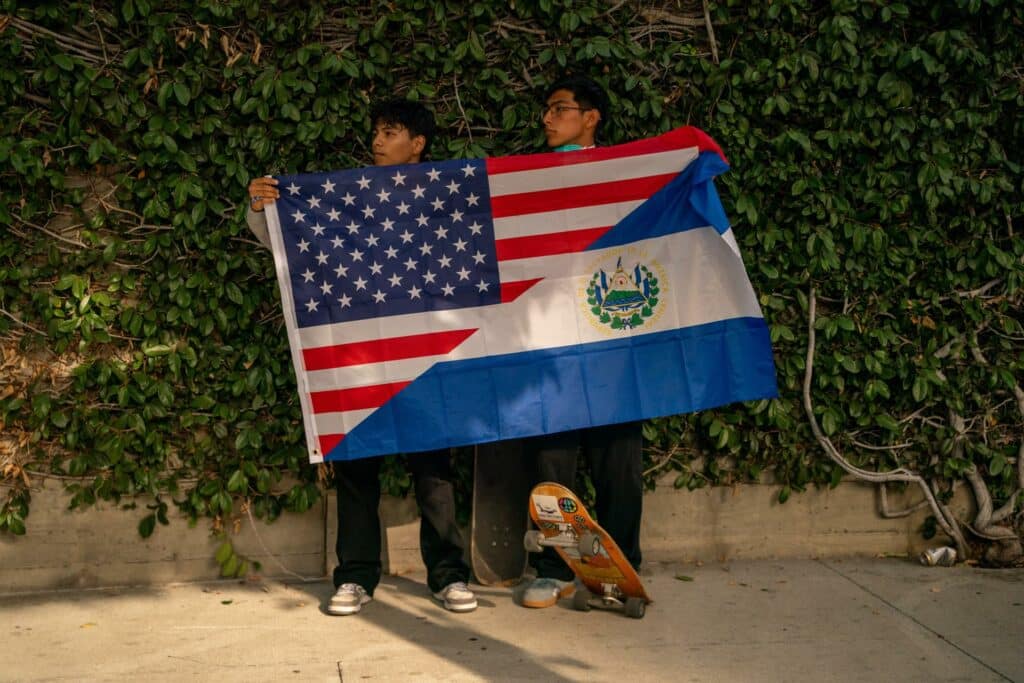
In Chula Vista, binational life is evident at first glance. The firm Spanish of Tijuana residents dominates, as does the anxiety over ICE raids, now more concerning than fears of irregular crossings. The same holds true throughout California, the most emblematic Democratic state in the U.S. ICE’s violent crackdowns have pushed tensions to the breaking point, disrupting the laid-back, vibrant, and ambitious air that defines California cities. Trump’s aggressive deportation policies have collided head-on with that atmosphere.
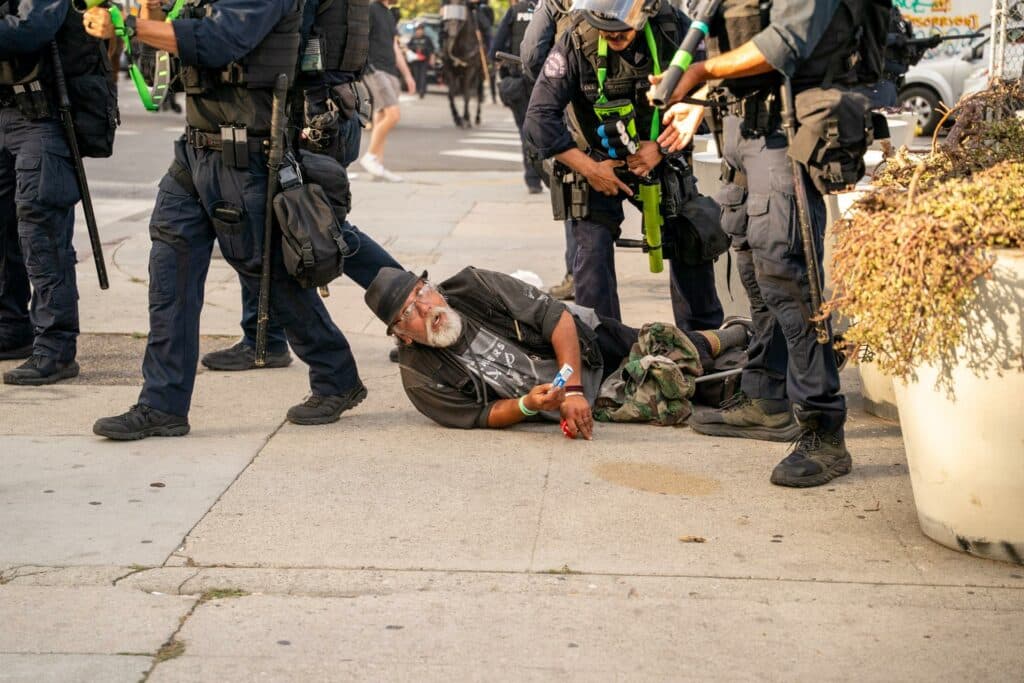
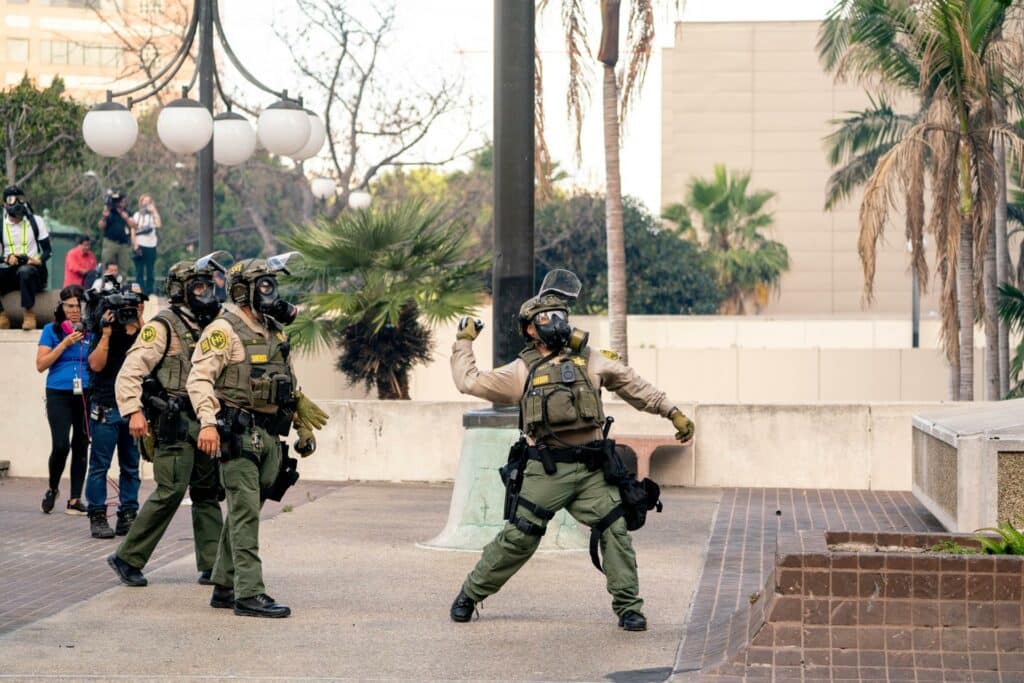
The most intense standoff took place in early June in Los Angeles, prompting Trump to deploy 2,000 National Guard troops and at least 700 Marines. He claimed the move was necessary to protect federal buildings and restore order. The militarization, unprecedented in this context, further strained the relationship between the president and Democratic Governor Gavin Newsom, triggering a spiral of conflict between the federal and state governments.
Just weeks after those protests against ICE, we visited San Diego. The tension still lingered. Footage from a raid at an Italian restaurant in South Park at the end of May continued to spark outrage. The agents resembled a SWAT assault team: they carried out the operation with military-style tactics, wearing pistols on their hips, tactical vests, helmets, automatic rifles, and flash grenades. Almost all had their faces covered.
The anger hasn’t subsided. In response, California senators are pushing a bill that would prohibit agents, local, state, or federal, from covering their faces during official operations. Amid this legal back-and-forth, fear reigns in Latino communities, especially among Mexicans, the largest immigrant group in the state. Taco stands sit empty, as do the parking lots of Home Depot stores, where day laborers once gathered looking for work.
With his victory in Congress, which passed the “One Big Beautiful Bill,” Trump appears to be winning on nearly every front. For example, data independently gathered by Thomas Cartwright, a member of the migrant advocacy group Witness at the Border, reveals that 209 deportation flights were carried out in June, the highest number since 2020.

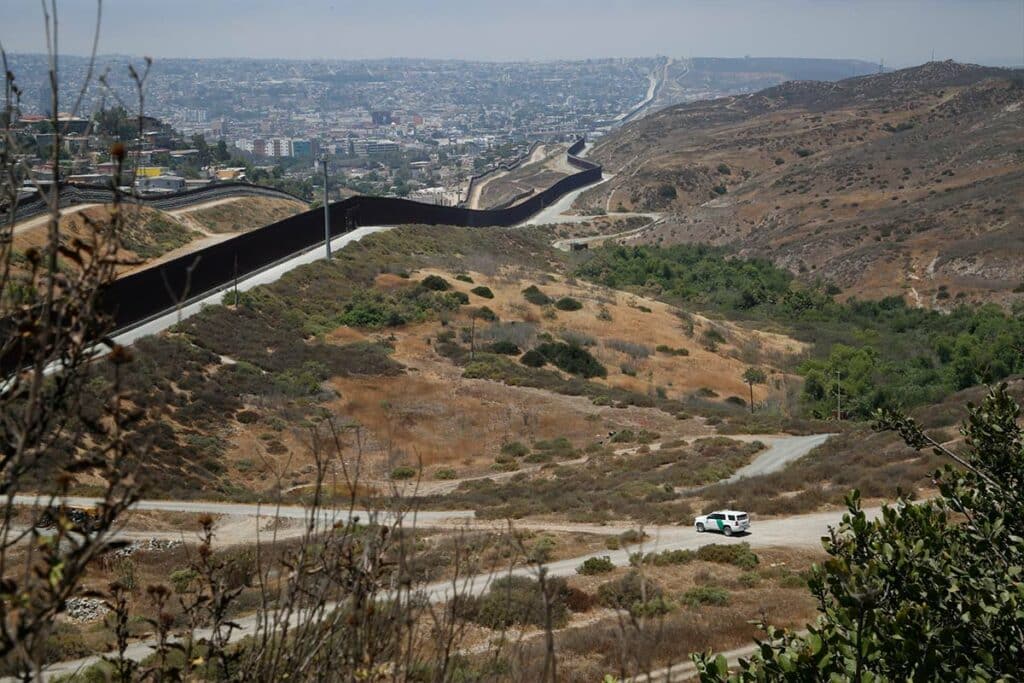
Cartwright also noted a sharp increase in flights operated by ICE Air Operations, the government’s deportation airline, used to move migrants between detention centers or consolidate deportees headed to the same destination. The number of flights rose 65% compared to the average over the previous six months. To further provoke his critics, especially in California, Trump has even hinted at reopening Alcatraz prison in San Francisco Bay to incarcerate “vicious, violent, and repeat offenders,” labels he often applies to migrants.
But in true Trumpian hyperbole, he first sent migrants to the notorious Guantánamo prison in Cuba, an act both symbolic and strategic, meant to ease overcrowding in detention centers. As a complement, the One Big Beautiful Bill calls for drastically expanding detention capacity: from 42,000 to 100,000 beds nationwide. As of June 2025, the most recent data on ICE’s website reported 66,886 individuals held in immigration detention, including 913 Nicaraguans awaiting deportation. DIVERGENTES requested more up-to-date figures from ICE but received no response by press time.
When asked about ICE raids, Border Patrol’s Chief of Communications, Alfonso Martínez, declines to comment, “not my jurisdiction,” he says. What he will say is that his team is meeting “the goal” set by the White House, located 2,654 miles from his office in Chula Vista, a goal he describes in less bombastic terms than the president: “A quiet border.”
Final Stop | Bayside, Miami, 1,158 Miles from the White House
Enrique works as a cook at a popular restaurant in Bayside, one of the most tourist-heavy open-air shopping centers in Miami. It’s located right on the sweltering Biscayne Bay, where tourists mix with locals, many of them immigrants, between global brand stores, live-music bars, and yachts coming and going. Cooking wasn’t his thing; back in Nicaragua, he worked as a bank teller. But since arriving in the United States with his partner in June 2023 through the humanitarian parole program launched by the Biden administration, he’s done just about everything: construction work, hauling rubble, lifting tiles… until he got fed up with acquaintances exploiting him and underpaying him. That’s when he landed this kitchen job.
The work permit granted by the parole program was an opportunity he couldn’t waste, especially because, just two months after arriving in the U.S., his daughter was born. A smiley baby girl with almond-shaped eyes, she quickly became his biggest reason to push forward amid an increasingly stressful environment, fueled by Donald Trump’s anti-immigrant rhetoric, especially his threats to dismantle the parole program that benefited 96,000 Nicaraguans.
The night Trump won the election, Enrique and his partner Alicia couldn’t sleep. Watching the electoral map turn red was terrifying. “We felt like we were one step away from the edge… we kept thinking about what was coming, about Trump making good on his promise to end what he called abuse of the parole system,” says Alicia. Their fear wasn’t abstract. On March 25, the Republican did end the program. The couple’s two-year legal status expired on May 31, 2025. Before that deadline, they had filed for political asylum, hoping to preserve the life they’d built in the U.S., because going back to Nicaragua, they say uneasily, is not an option.
Enrique lived just blocks from the Polytechnic University of Nicaragua (Upoli) in 2018 and actively supported the students protesting the regime of Daniel Ortega and Rosario Murillo. His brother-in-law, Alicia’s brother, was also a student at the time and equally involved. Due to their activism, they were harassed by Sandinista paramilitaries. Even Alicia, who was not part of the Upoli protests, became a target because she comes from a family known as “liberal”, that is, not Sandinista. Some of her now-deceased relatives were linked to the security forces of the Somoza dictatorship.
“We had nothing to do with what our relatives did back then. We weren’t even born yet. But they’ve always held it against us, even before 2018,” says Alicia, holding her baby on her lap. The couple had once considered migrating irregularly, but due to her pregnancy and the dangers of traveling through Mexico, they decided to wait. Then the parole program opened up. They began rebuilding their lives in Miami, home to one of the largest Nicaraguan communities in the U.S. But Trump’s anti-immigrant crusade has revived fears they thought they’d left behind, especially the fear of persecution.
“The anxiety is constant. Everyone’s on edge at work. On the street, we’re always watching our backs. We’ve even talked about moving to Switzerland, where I have a sister. But what’s keeping us here is our daughter. We’re here for her. Because there’s no future in Nicaragua. The cost of basic necessities is more than we ever earned. We wouldn’t even be able to support her there… and here she’ll have access to an education we could never give her in Nicaragua,” say Enrique and Alicia, who ask to remain anonymous because they still own property in Nicaragua and fear it could be confiscated.

Since ICE agents began patrolling U.S. cities more aggressively, Enrique doesn’t leave the house without his backpack. Not out of habit or for work, but purely out of fear. Inside, he carries the only papers he believes could protect him if an immigration officer stops him on the street. “I have printed copies of our asylum application because our parole documents are no longer valid,” he says. He’s now living in the dreaded limbo so many talk about. “Walking down the street is scary. Seeing a cop is scary. Even having this brown face… that’s scary too,” says Enrique. His partner nods: “We’re living day by day, just hoping nothing bad happens.”
But “bad” things happen to migrants in the U.S. every day, including Nicaraguans. On July 8, the Department of Homeland Security announced it was ending Temporary Protected Status (TPS), which shielded thousands of Hondurans and Nicaraguans from deportation. The fear of being expelled became more real in June, when DIVERGENTES visited them. ICE reported that its agents arrested around 30,000 immigrants that month, the highest number since Trump returned to office. Of those, 18,000 were deported.
In the case of Nicaraguans, the U.S. State Department reported that between January and June 2025, Nicaragua received 22 deportation flights carrying 2,527 people. “But the limbo keeps getting bigger every day,” Enrique says, especially after a recent CNN report they saw in late June: Trump is planning new measures that would directly impact asylum seekers already in the country, making them subject to fast-track deportations without even the right to a hearing.
According to the network, the Republican administration plans to deny asylum claims from hundreds of thousands of people. Those affected would be migrants who entered the country irregularly and later requested protection. While Enrique and Alicia entered legally under the parole program, Trump has repeatedly called the mechanism an “illegality” created by his predecessor.
Enrique and Alicia now worry that, with their parole and work permits expired, they may be considered “present without legal status.” “There’s no certainty anymore, not even the judges’ rulings are being respected,” says Alicia. “Sorry to repeat ourselves, but we’re terrified. Leaving the house means not knowing if we’ll come back. Especially now that they opened that detention center nearby… It looks more like a concentration camp. It’s called Alligator Alcatraz. We know that if they catch us, we’ll probably end up there. And we have no idea for how long…”
On top of all that is a deeper fear: What happens if they’re deported to Nicaragua? “We could end up in prison,” Enrique and Alicia say bluntly.