
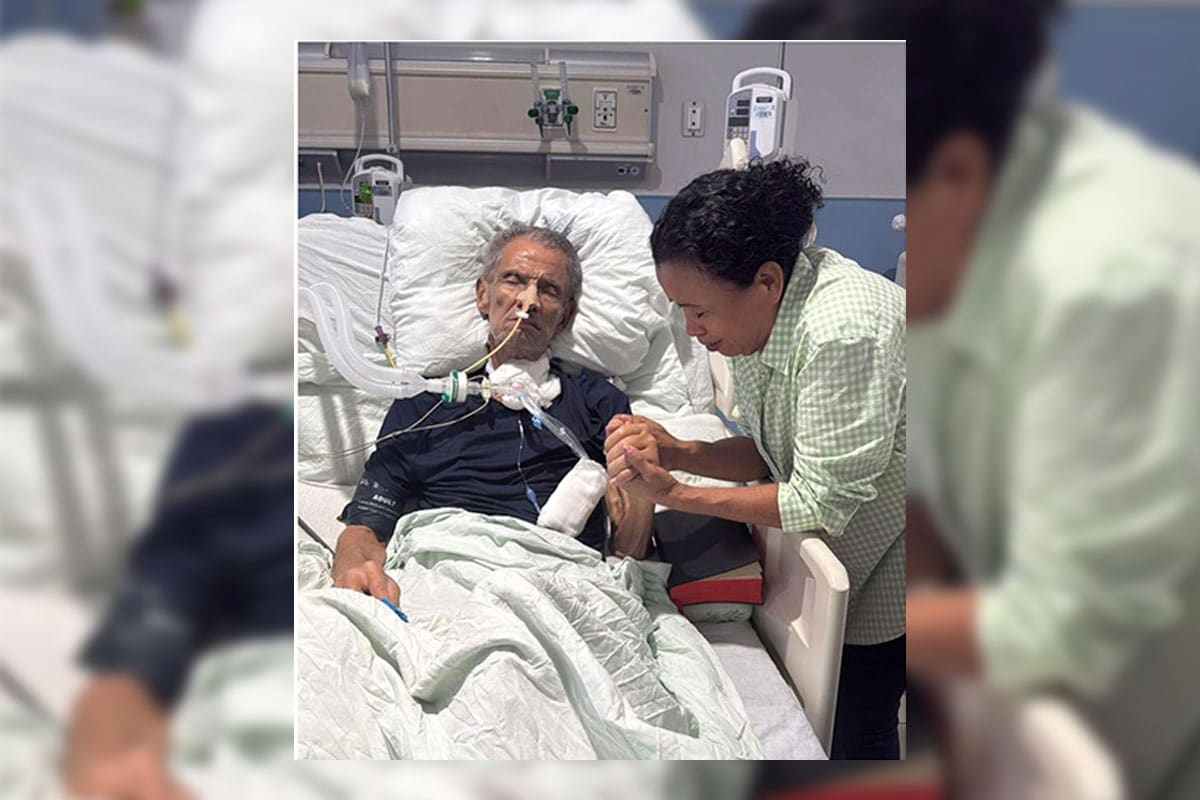
Daniel Ortega and Rosario Murillo’s dictatorship, through a statement and photographs showing him in a hospital bed with a tracheostomy, has confirmed what various Sandinista sources had warned: that political prisoner Brooklyn Rivera was at risk of death after being hospitalized. After more than 970 days of enforced disappearance due to concealment of his whereabouts, the regime admitted to holding him in custody and, forced by international pressure, has issued an alarming report on his “delicate condition.”
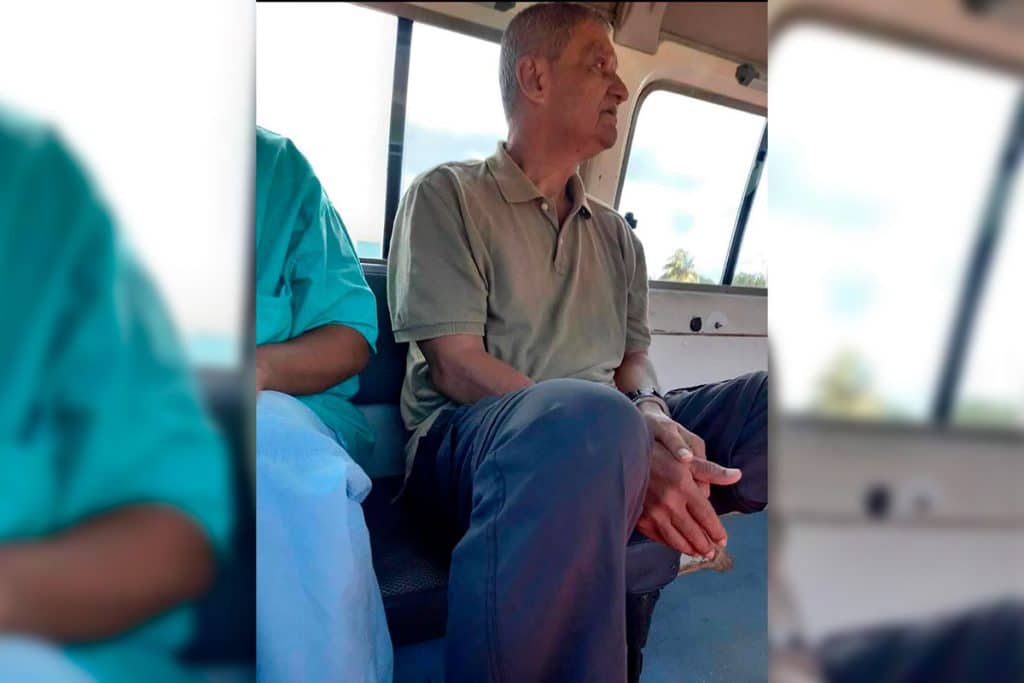
The 73-year-old leader of the YATAMA party was captured on September 29, 2023, by the police of the co-presidential regime. In the leaked photo of his arrest, an elderly man is seen standing with no visible signs of extreme physical decline—a stark contrast to the emaciated, bedridden elderly man the dictatorship has now shown. The regime never informed his family of his whereabouts for more than two and a half years, but it is now known, according to the statement released on May 27, that the day after his capture he was admitted to the National Police’s Roberto Huembes Hospital.
The regime claims he was admitted due to “various episodes and symptoms characteristic of health conditions that have been deteriorating for several years.” The statement, which, according to a specialist consulted by DIVERGENTES, dismisses Rivera, attributes the indigenous leader’s serious condition to a history of chronic health issues.
“On Tuesday, October 31, 2023, he was admitted to the Penitentiary System facilities in Tipitapa, where he continued to be cared for by the doctors and nurses there, with daily visits and checkups and the necessary medication,” the statement asserts. “In light of an obvious deterioration in his respiratory condition, he was transferred to Fernando Vélez Paiz Hospital on March 7, 2026, where he has been receiving care,” it adds. This confirms information shared by Sandinista sources a few months ago regarding his transfer to a hospital, a rumor that sparked an international campaign to determine his whereabouts and health status. However, the regime has consistently refused to show him.
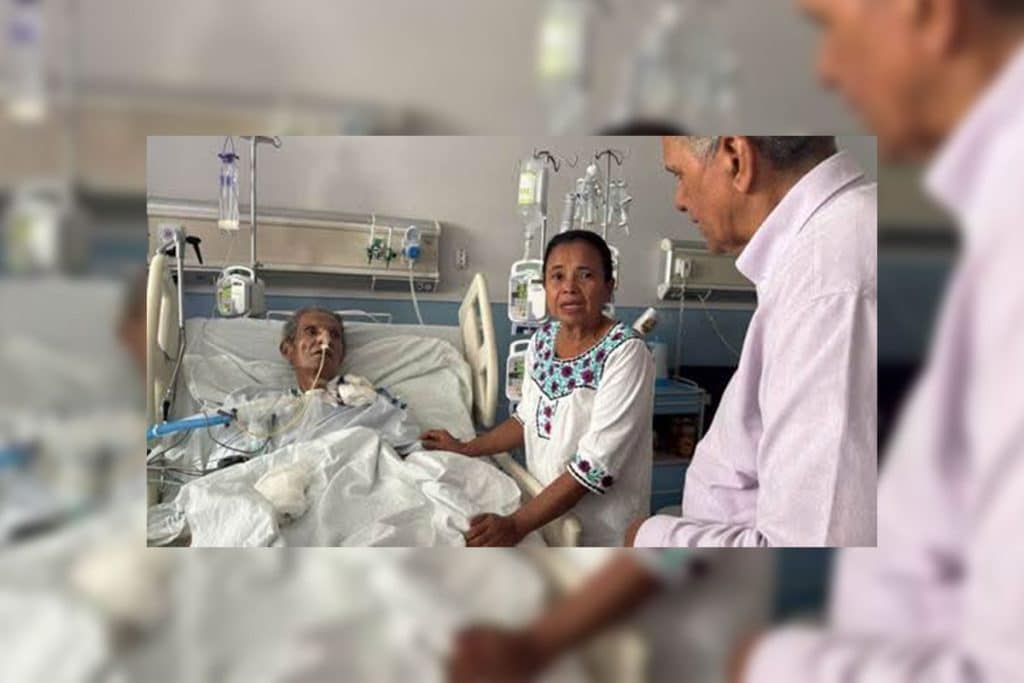
According to the regime, Brooklyn Rivera is suffering from severe respiratory symptoms that began with a cough, weight loss, fatigue, weakness, and sputum production consistent with pneumonia. Tests reportedly confirmed a mixed lung infection: a bacterial infection caused by Klebsiella pneumoniae and a fungal infection caused by pulmonary aspergillosis, in addition to bilateral pleural effusion. Despite treatment with antibiotics, pulmonary physical therapy, and a special diet, “his respiratory condition deteriorated to the point of requiring a tracheotomy and invasive mechanical ventilation.” Subsequently, a new culture detected another bacterium, Stenotrophomonas maltophilia, associated with complex and resistant infections, so specific antibiotics were added, the statement says.
The official report also notes that Rivera is receiving total parenteral nutrition—that is, intravenous feeding—in addition to enteral feeding. Added to this is a serious abdominal finding: free intra-abdominal fluid and, following a laparoscopy, a diagnosis of liver cirrhosis with macronodular lesions. Taken together, the condition described by the regime points to a patient in critical or very delicate condition, with severe pulmonary infection, dependence on mechanical ventilation, significant nutritional compromise, and advanced liver disease.
“His current condition is delicate, with mechanical ventilation via tracheotomy and intravenous feeding; he is suffering from multiple organ failure, cirrhosis of the liver, and an active lung infection caused by drug-resistant bacteria,” the regime warns in a statement that bears a striking resemblance to the one issued prior to the death in captivity of General Humberto Ortega Saavedra, co-president Ortega’s brother and co-president Murillo’s brother-in-law. After acknowledging that he was under house arrest and that his health was deteriorating, they issued a statement announcing his death, which occurred hours later.
Since 2019, at least six political prisoners have died in prison, under house arrest, or in state custody under the Ortega-Murillo regime: Eddy Montes Praslin, Santos Flores Castillo, Hugo Torres Jiménez, Mauricio Alonso Petri, Carlos Cárdenas Zepeda, and General Ortega Saavedra. Thus, Rivera’s critical condition once again brings into sharp focus the pattern of extreme deterioration, lack of information, and risk of death for political prisoners held by the dictatorship.
The official statement claims that Rivera has received biweekly visits from his son Wailandin Rivera Solórzano, and that former indigenous congresswoman Nancy Elizabeth Henríquez and Commander Lumberto Campbell, loyal to the co-presidents, have visited him weekly. This account cannot be independently verified, as Henríquez was released from prison under house arrest and total isolation, a condition that makes it impossible to confirm whether she has had actual access to Rivera.
He Was Not Treated in a Timely Manner
An internist consulted by DIVERGENTES warned that the progression of the respiratory infections described by the regime itself is consistent with “delayed and negligent care” while Rivera was held at La Modelo prison.
According to the specialist, if adequate measures of isolation, precaution, antibiotic treatment, and clinical monitoring were not implemented in a timely manner, the patient could have continued to be exposed to bacteria in the environment where he was detained or hospitalized.
Organizations such as the Legal Defense Unit have previously warned about the unsanitary conditions in Nicaraguan prison cells, a situation that increases the risk of infections and deteriorating health among political prisoners.
For the specialist, the procedures performed—tracheotomy, mechanical ventilation, antibiotics, and parenteral nutrition—may be appropriate for managing a critically ill patient, but the fact that they were necessary reveals a deterioration that could be linked to negligence, a lack of timely care, and the absence of adequate treatment from the outset.
“Had the initial bacterial infection been diagnosed and treated promptly, and had a nosocomial superinfection with ultra-resistant germs not occurred, the patient’s clinical prognosis would likely be more favorable,” the doctor explained.
Rivera’s Daughter Blames the Regime
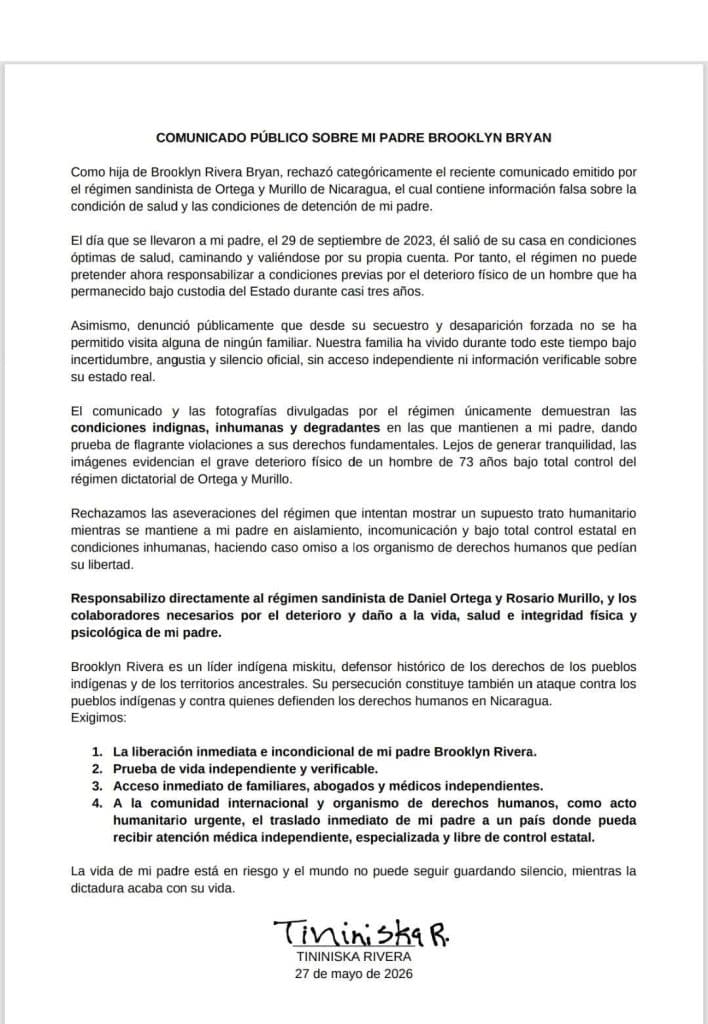
Tininiska Rivera, daughter of the Yatama leader, issued a statement holding the Ortega-Murillo regime responsible for her father’s serious health condition, denying that it was the result of pre-existing conditions.
“The statement and photographs released by the regime only demonstrate the undignified, inhumane, and degrading conditions in which my father is being held, providing evidence of flagrant violations of his fundamental rights. Far from providing reassurance, the images reveal the severe physical deterioration of a 73-year-old man under the total control of the Ortega-Murillo dictatorial regime. We reject the regime’s assertions that attempt to portray alleged humanitarian treatment while my father is kept in isolation, incommunicado, and under total state control in inhumane conditions, ignoring the human rights organizations that have called for his release,” reads Tininiska’s statement.
With the appearance of Rivera and Angélica Chavarría last week, there are still at least eight political prisoners in a state of enforced disappearance due to their whereabouts being concealed, according to records from human rights organizations.
Among them are Douglas Gamaliel Álvarez Morales, missing for 817 days; Víctor Boitano Coleman, missing for 750 days; Eddie Moisés González Valdivia, missing for 668 days; Steadman Fagot Müller, missing for 637 days; Carlos Ramón Brenes Sánchez, missing for 275 days; Larry Javier Martínez Romero, missing for 273 days; and Salvadora del Socorro Martínez Aburto, missing for 272 days. Their families still have no reliable information about their health, conditions of detention, or exact location.