
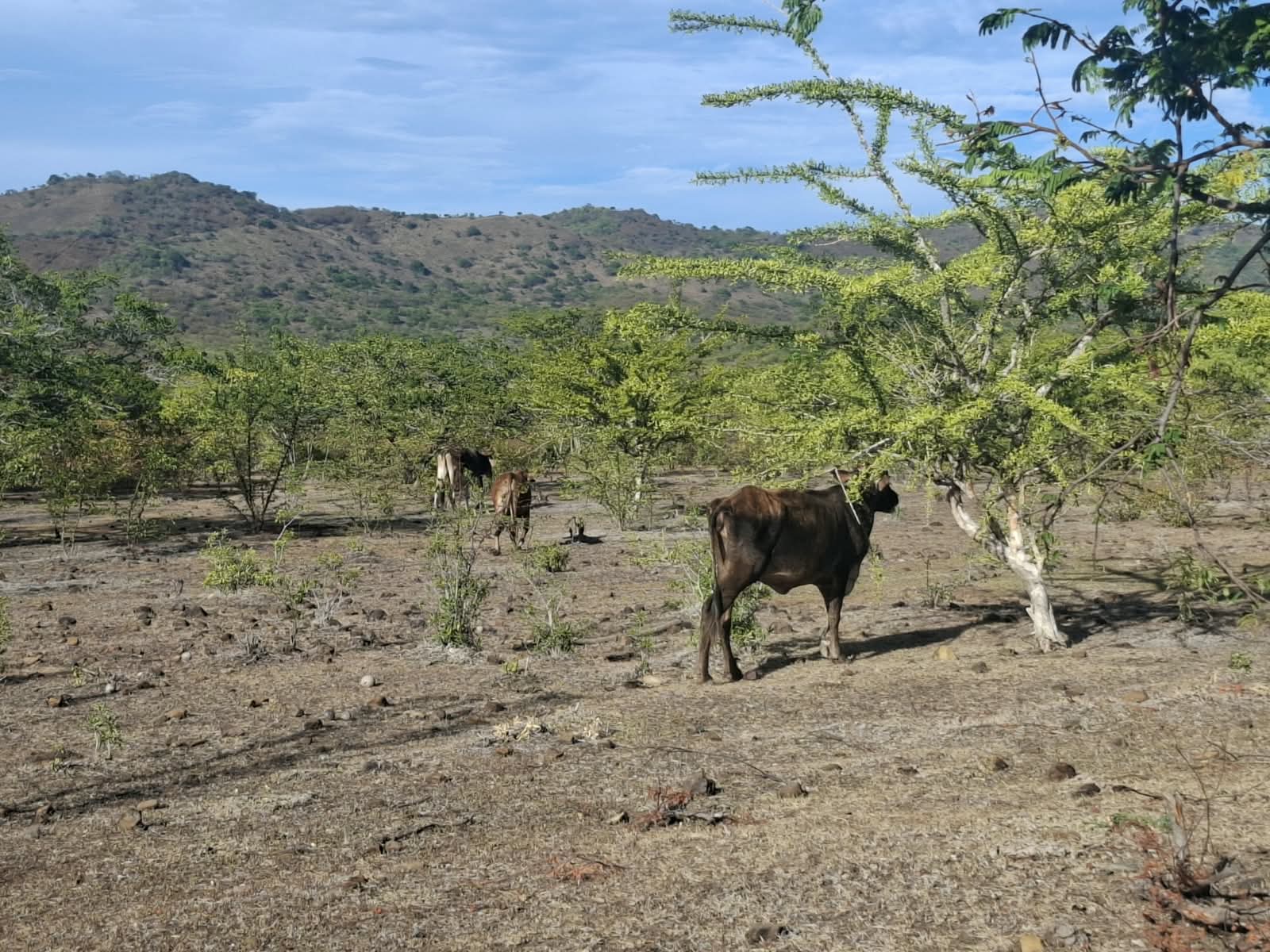
While other Central American countries are implementing measures in response to the worsening drought associated with the El Niño phenomenon, Nicaragua is facing a climate scenario that, according to official data, continues to deteriorate as we approach 2025.
So far, the Sandinista regime has not issued an emergency declaration for the country’s agriculture and livestock sectors and is even maintaining a growth projection for beef production and exports.
El Salvador and Panama have declared a maximum alert due to the drought associated with the El Niño phenomenon. Honduras has also issued alerts in response to worsening conditions across 80% of its territory, while Costa Rica is monitoring 71 cantons due to a rainfall deficit, according to the National Emergency Commission.
In Nicaragua, the question is what measures the regime is taking in response to a phenomenon that its own forecasts predict will continue over the coming months.
More Drought and High Temperatures
According to the latest El Niño Phenomenon Monitoring Bulletin from the Nicaraguan Institute of Territorial Studies (or Ineter, its acronym in Spanish), published in July 2026, the country is in a warm phase of the ENSO phenomenon, known as El Niño. The institute forecasts that the event will persist through December 2026, noting that between August and October it will intensify from moderate to strong and, subsequently, to very strong.
The difference compared to 2025 is evident. In July of that year, the El Niño phenomenon was in a neutral phase, with a sea surface temperature anomaly of +0.1 °C. A year later, the anomaly reached +1.2 °C, corresponding to a moderate intensity El Niño.
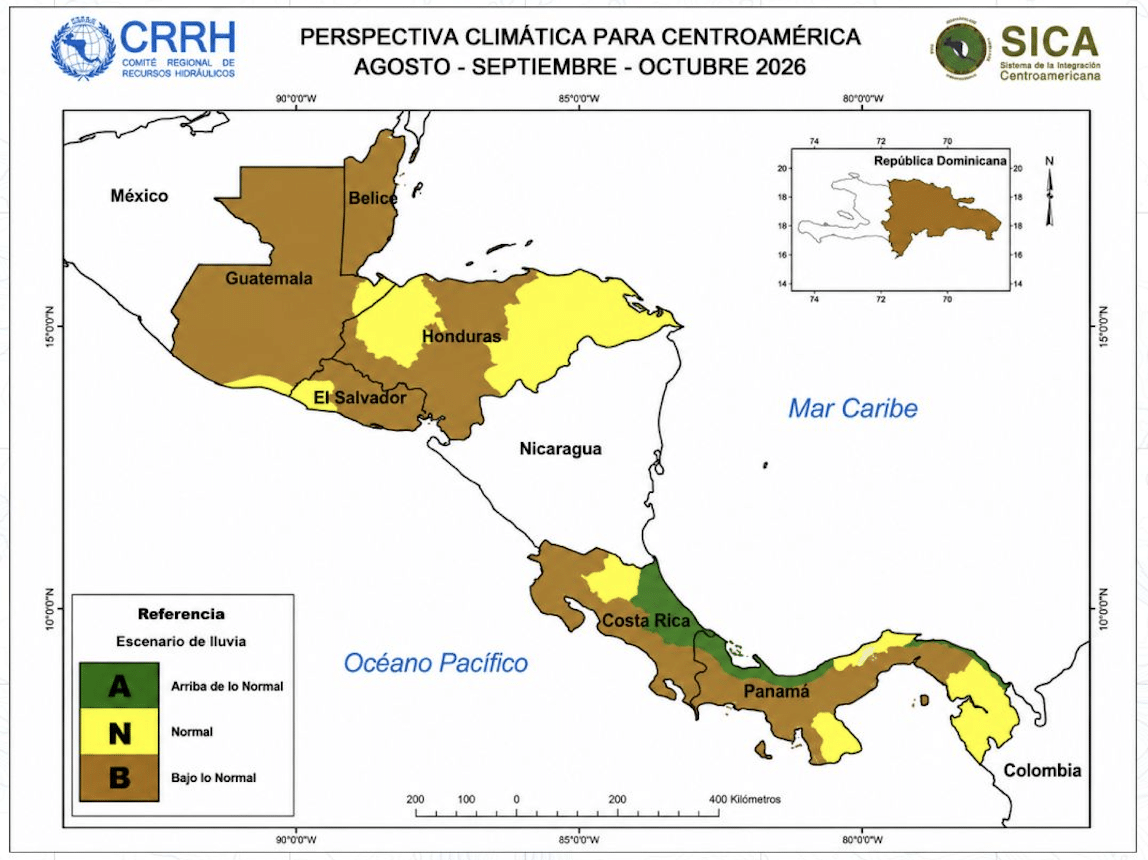
The Standardized Precipitation Index (SPI) for that same month in 2026 showed a worsening of drought conditions across much of the country, with categories ranging from moderately dry to extremely dry. The exception was the strip of territory comprising the Northern Caribbean and Southern Caribbean autonomous regions, which remained in normal conditions.
High temperatures compounded this scenario. In July 2026, Ineter reported new all-time high maximum temperatures in areas such as Corinto, León, Managua, Rivas, and San Isidro.
Although Nicaragua has not issued a specific emergency declaration for the livestock sector, the government does include adaptation measures to address climate variability in its 2026–2027 National Plan for Production, Consumption, and Trade.
According to the document, presented by Ovidio Reyes, president of the Central Bank of Nicaragua, in May 2026, the initiative aims to strengthen training programs on crop, soil, water, and livestock management, with an emphasis on developing technologies adapted to drought and climate variability.
It also proposes promoting, through virtual platforms, crop management practices adapted to these conditions. Additionally, it calls for implementing national programs featuring demonstration plots with a variety of staple grains, grasses, and forages that are resistant to this phenomenon—as co-president Rosario Murillo mentions daily when discussing the agricultural sector’s achievements.
The question, however, is how many of these measures are actually being implemented in the livestock sector, which is already facing difficulties in feeding and maintaining its animals.
Livestock Farmers Are Seeking Alternatives to Feed Their Cattle
A source at the Ministry of Agriculture and Livestock (or MAG, its acronym in Spanish), who spoke to DIVERGENTES on condition of anonymity, stated that, for now, there are no plans to issue an emergency declaration like the ones issued this month by Honduras, Costa Rica, El Salvador, and Panama.
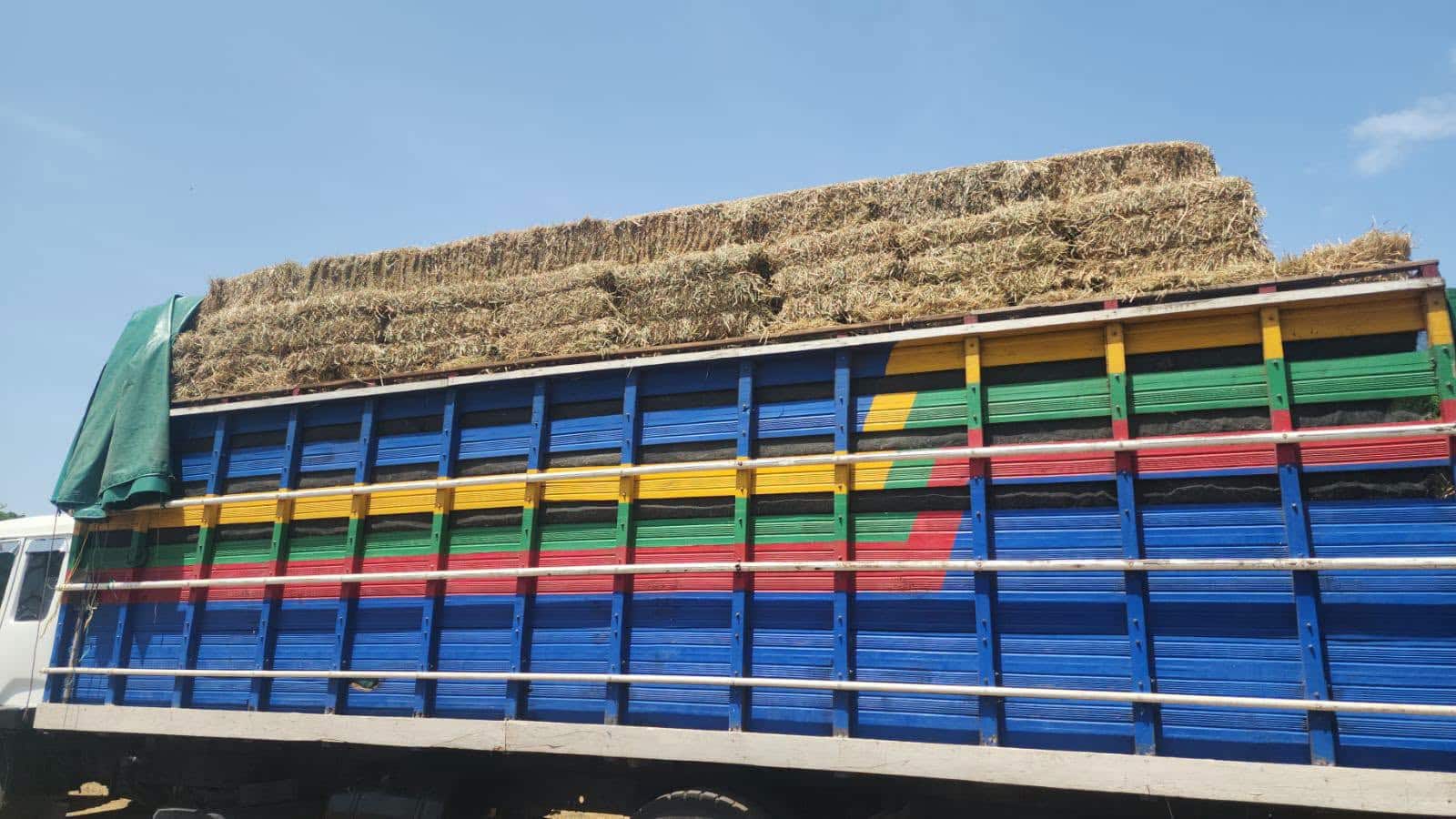
The MAG representative noted that in previous years, the regime, through the municipalities, implemented measures to support livestock farmers in the country’s dry zone during periods of drought, including providing transportation to deliver feed to the affected areas.
According to the source, no emergency plan for the livestock sector is anticipated this year; even in Murillo’s daily addresses, she makes no mention of the measures the government will take beyond those outlined in the 2026–2027 National Plan for Production, Consumption, and Trade—a plan that, according to livestock farmers consulted by this publication, has not yet been implemented.
The official added that one of the hopes for alleviating the feed shortage in the country’s dry region lies in the rice harvest, which could increase the availability of bales used as livestock feed. Other ranchers, however, according to the source, are moving their livestock to other areas where there is pasture, while in some areas they are not milking the cows “because what’s the point if there’s no grass?”
While the regime maintains its production projections, the farmers interviewed describe a bleak outlook that even threatens their families’ food security; in fact, the United Nations World Food Program identifies Central America as the region likely to face the greatest relative increase in food insecurity due to the El Niño phenomenon.
Juan Diego, a cattle rancher from Tipitapa, spoke anonymously about the lack of feed in the area. He says he owns 50 head of cattle and has enough feed to last until early September. After that, he doesn’t know how he’ll manage to feed his animals.
“I’m going to cut branches; I’ll see if I can get bales of rice to mix with molasses and see if the cattle can make do,” he says, worried about his situation. However, he noted that the owners of neighboring farms in the area are in the same predicament as he is.
He admitted that his concern isn’t just about finding feed for the cattle—which is now his main source of income—but also that, with insufficient pasture, the animals are losing weight and their milk production is declining. This translates to less income for the farm and difficulties in paying the workers who help him run it.
For example, according to the MAG, milk production volume was higher in 2025 than in 2026. Last year, 218.4 million gallons were produced through July, whereas 216.1 million gallons were reported for the same period this year. This reduction of 2.3 million gallons in milk production, according to the government official, is partly due to the existing feed shortage.
The Alternative of Chicken Manure and Poultry Manure
He explained that a cow needs at least 9% protein to carry out its daily activities, and to produce milk and continue growing, it must be fed a diet containing more than 13 or 14% protein. “Bales of rice straw or dry leaves contain about 3% protein, whereas bales of grass that are planted can reach about 9%, because it is for maintenance,” he explained.
However, he noted that ranchers are also using chicken manure—the feces of chickens, broilers, and laying hens, often mixed with feather debris and feed—as an alternative to feed their animals, but according to him, in the past, chicken manure came from small-scale poultry farms where feeders would scatter food, and it contained a good percentage of concentrate that served as feed.
Now, the vast majority of poultry farms have adopted more efficient feeders that prevent food waste; however, these feeders contain bacteria, and when the feed leaves the farms for livestock consumption, the producer must ensile it to kill all the bacteria, which takes more time.
“Chicken manure and rice straw are products that, when consumed in large quantities, cause acidosis in livestock and make the animals sick; in other words, they must be used to feed in limited quantities and only for the duration of the emergency because they are not the ideal feed,” he said.
Livestock Farmers Are Selling or Losing Animals, While the Government Projects More Exports
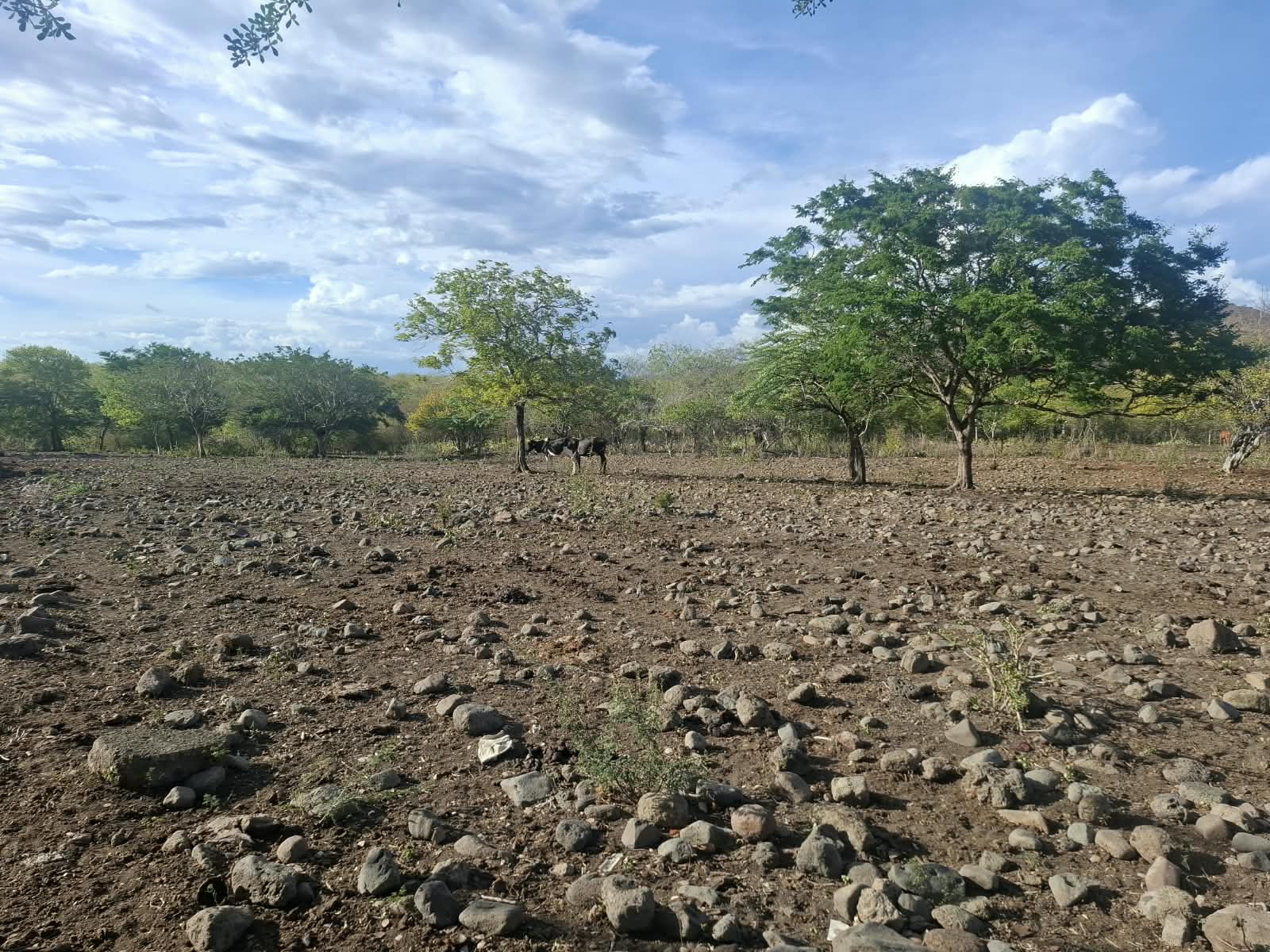
In Acoyapa, another cattle rancher who spoke with this publication said he owns 235 head of cattle. He said he has had to ration the little grass available. He also reported that some of his cows and heifers have already died. “They stiffen up and collapse,” he said.
His fear is that the situation will get worse. “If it doesn’t rain soon, the only option is to sell the animals; they’ll go to the slaughterhouse because I have to recoup some of my losses,” he said.
In Chinandega, another producer interviewed said that the area is also facing difficulties in securing feed for the cattle. He noted that a bale of rice, which a few months ago cost 30 or 35 córdobas, now sells for between 70 and 120 córdobas, depending on where it is purchased.
This Chinandega resident also expressed concern about the declining water levels in the well he uses for domestic purposes and to sustain his animals.
The situation described by these producers contrasts with the regime’s official expectations for the livestock sector.
Between January and July 2026, the Central Bank of Nicaragua, through the MAG, reported a production of 250.3 million pounds of beef from industrial slaughterhouses, municipal slaughterhouses, and individual slaughterers nationwide.
For the period from 2026 to 2027, the National Plan for Production, Consumption, and Trade projects exports of 358.6 million pounds of beef, valued at $1,075.7 million. This would represent an annual increase of 8.7% in volume and 12% in value.
This situation highlights two realities occurring simultaneously: while the regime projects growth in beef production and exports, the cattle ranchers consulted report facing difficulties in securing feed and water for their herds; some have lost animals, and others are considering selling them to avoid further losses.
FAO Warned of the Impact of El Niño
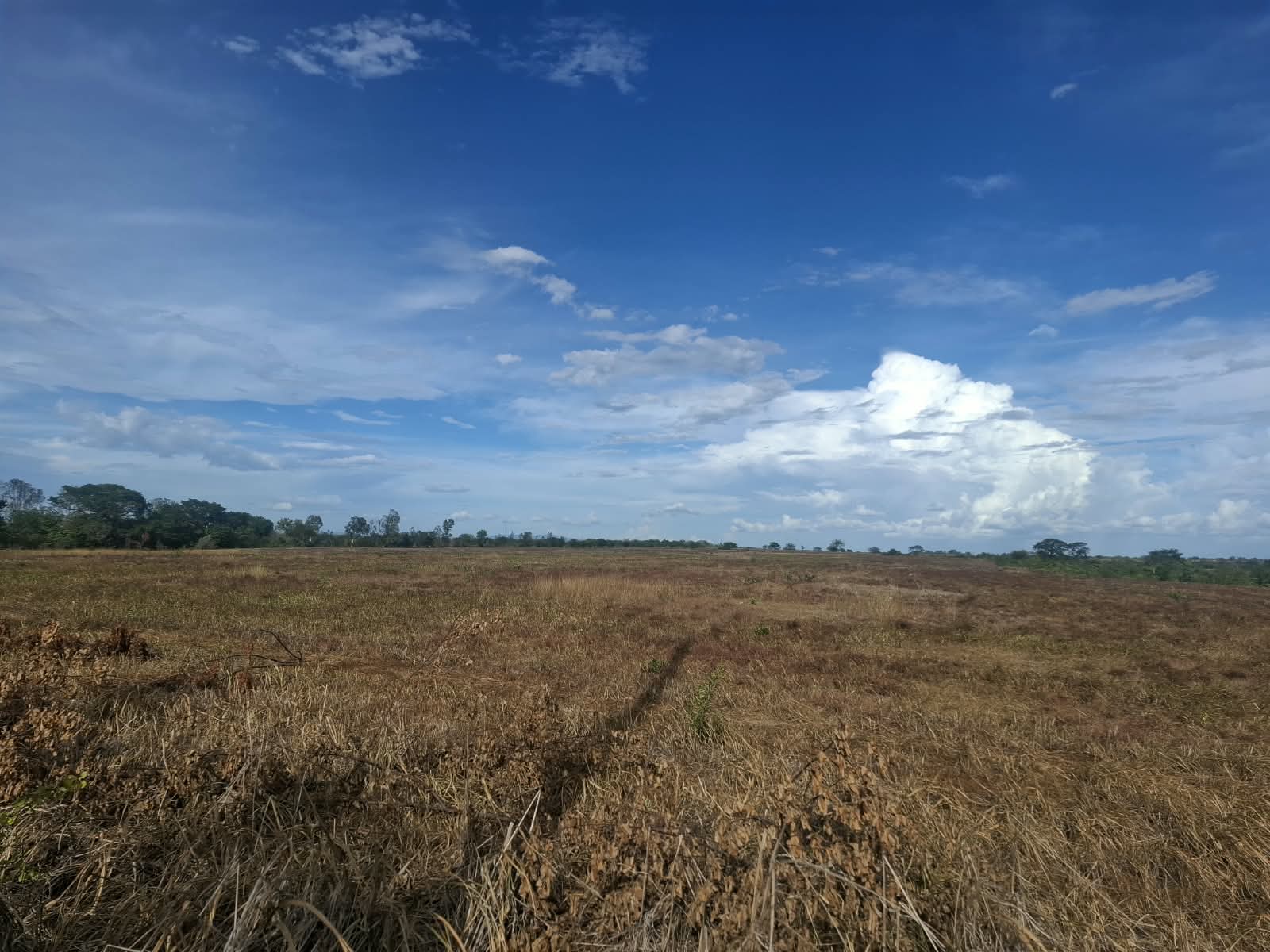
The FAO warned in June of this year that a new phase of El Niño was set to begin. According to the organization, the most acute risks are in southern Africa, Southeast Asia, and the dry corridor of Central America and the Caribbean, “where some agricultural and grazing areas face a more than 50 percent probability of experiencing drought in the coming months,” recommending actions such as stockpiling forage, securing water supplies, and supporting producers before losses occur.
“In Central America and the Caribbean, the risk of drought can quickly lead to hunger. The 2015–2016 El Niño event left 3.5 million people food insecure in Central America’s Dry Corridor… Current forecasts indicate a 70 percent probability of below-normal rainfall across the region. The risk of agricultural drought is highest along the Dry Corridor, in Colombia and Venezuela, as well as in Cuba, the Dominican Republic, and Haiti,” says the FAO.
“How are we going to feed our livestock over the next few weeks?” asks the farmer from Acoyapa.
Ineter’s forecast suggests that El Niño conditions will continue to worsen over the coming months. For these farmers, the emergency is not a future possibility—it has already begun on their farms.