
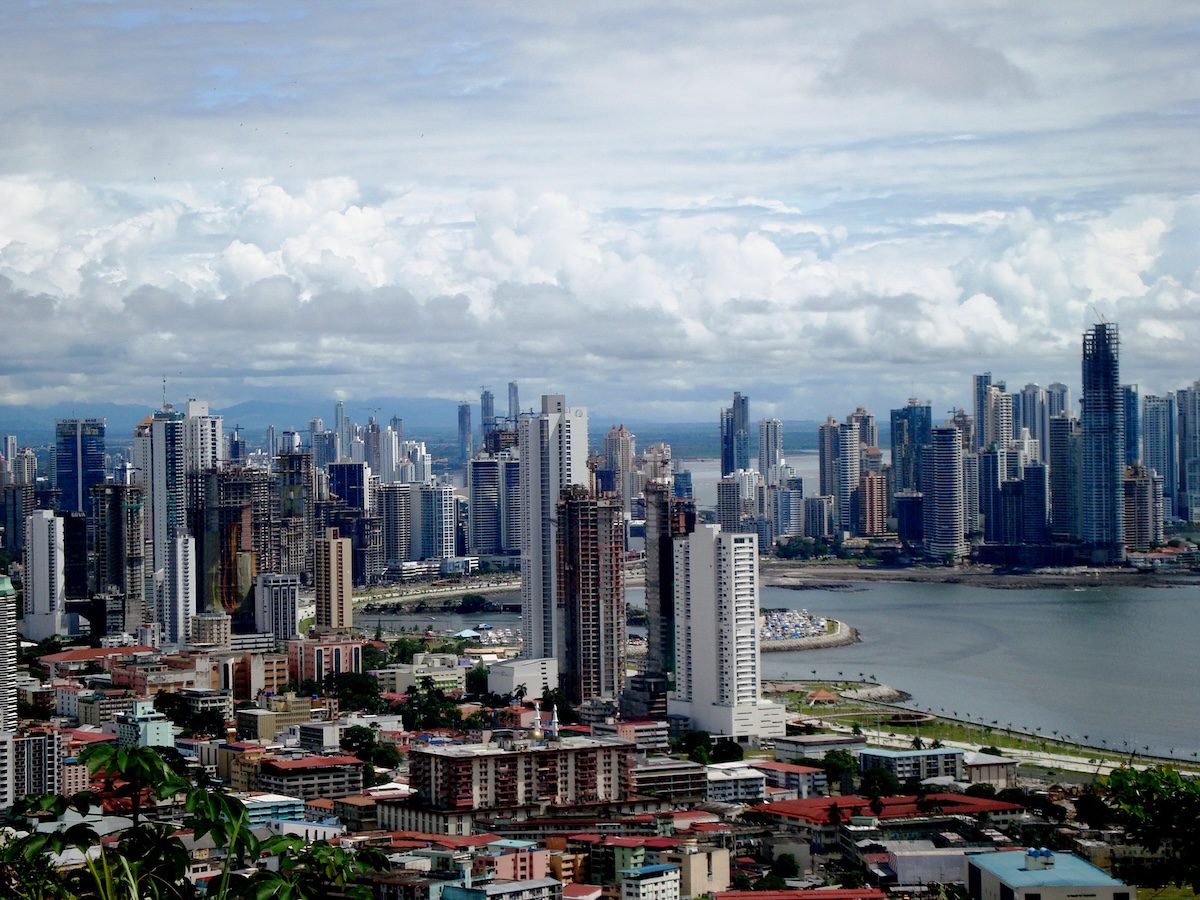
Panama’s position as the main source of net FDI in Nicaragua hides serious problems, such as a growing lack of interest from the United States, the country’s main trading partner, in expanding its investments, and the total lack of transparency surrounding China’s supposedly large investments.
According to data from Nicaragua’s Central Bank (BCN), Panama solidified its position in 2024 as the top net FDI contributor, providing $336.3 million, or 24.9% of the total. The U.S. followed with $282.9 million (20.9%). Spain, Barbados, Costa Rica, and Mexico also ranked among the top contributors.
However, BCN’s own reports acknowledge that the cases of Panama and Barbados “suggest the possible existence of ‘transit investment’ or the use of these jurisdictions as platforms for final investment.”
The key to understanding this dynamic lies in BCN’s methodology for recording FDI. The bank’s reports emphasize that FDI is registered “based on the investor’s country of residence, not their nationality or ethnic origin.”
This means that if a company is legally incorporated in a jurisdiction like Panama or Barbados, that jurisdiction is recorded as the country of origin, even if the company’s headquarters or ultimate owner resides elsewhere.
“This practice, common among multinational corporations seeking tax efficiency or specific operational structures, underscores the need for deeper research to uncover complex corporate arrangements and the true nationalities behind these capital flows,” the BCN reports state. In other words, investment that officially comes from Panama or Barbados may actually originate elsewhere.
Companies Registered in Panama, But Not Panamanian
Juan Sebastián Chamorro, economist and political exile of the Sandinista regime, explained that this phenomenon is due to many companies being registered in Panama, though not necessarily with Panamanian capital.
“Many holdings, because of the favorable conditions Panama offers investors, are registered there and thus appear in its national accounts. They originate in Panama, although the funds are not necessarily Panamanian. In fact, many banks we know, including banks operating in Nicaragua, have their headquarters in Panama,” Chamorro clarifies.
Panama’s leadership in net FDI is not new. BCN’s own data shows that in 2018, Panama accounted for 28% of total FDI in Nicaragua. This trend suggests that the Central American country has long been a steady and strategic conduit for investment.
“It’s the same with Barbados. These are companies registered in Barbados, a very small economy, but it also offers favorable conditions to investors from other countries, who see it as an investment haven because of its preferential tax treatment,” the economist adds.
Chamorro warns that one of the greatest concerns for Nicaragua’s economy is the growing disinterest from the United States, its main trading partner, a trend made worse by the erosion of legal certainty caused by the Sandinista dictatorship’s confiscation drive.
“Violations of property rights scare off any investor, and now things will be even worse with this massive confiscation of 18,500 square kilometers, where many investors have, or had, industrial plants or other interests,” he says.
On Saturday, August 9, 2025, the U.S. State Department’s Bureau of Western Hemisphere Affairs posted on X (Twitter) denouncing the “massive confiscation” being carried out in Nicaragua under the newly approved Border Territory Law. The warning is aimed primarily at potential U.S. investors, highlighting the risk of state seizure of private property and assets located within 15 kilometers of any land or coastal border.
Foreign Investment Not Concentrated in Key Sectors
An analysis of BCN’s Evolution of Foreign Direct Investment in Nicaragua reports for 2024 and the first quarter of 2025 shows that investment flows from Panama were concentrated mainly in the financial, industrial, and energy sectors. U.S. investments were focused primarily on industry, energy, and commerce/services.
“Basically, what’s happening is that less investment is coming from the U.S., due to the events that have unfolded in Nicaragua for more than seven years. It’s no surprise they’re now in second place. Overall, my impression is that much of the investment is in very specific sectors, some in energy, some in industry, mainly to replace machinery, for maintenance, or expansion. But certainly, foreign direct investment in key sectors such as tourism has been hurt by the blows dealt by the dictatorship,” Chamorro notes.
The same BCN technical reports highlight key challenges, such as the need to “strengthen institutions” and “diversify sources of FDI in the long term to reduce concentration in just a few origins.”
Investment That Doesn’t Modernize Nicaragua
Between January and March 2025, gross FDI inflows totaled $707.3 million, a 14.8% decrease compared to the same period in 2024 ($830.4 million), according to BCN.
The sectors attracting the largest net FDI inflows in the first quarter were financial intermediation ($175.7 million, 39.1% of the total), industry ($139.7 million, 31.1%), energy and mining ($119.5 million, 26.6%), and commerce and services ($54.7 million, 12.2%).
“What’s driving Nicaragua’s economy right now is the massive amount of family remittances, the result of the mass exodus of Nicaraguans caused by Daniel Ortega and Rosario Murillo’s policies. That increases consumption, but it’s growth driven purely by spending, not the kind of investment that’s supposed to modernize the country, bring in better technology, and allow young people and the labor market to benefit from high-performance jobs and products with high added value,” Chamorro argues.
A Lack of Transparency Reminiscent of Venezuelan Funds
BCN’s reports make no mention of the heavily promoted investments from the People’s Republic of China in Nicaragua, a phenomenon reminiscent of the Venezuela oil agreement, which allowed the Ortega-Murillo regime to discreetly manage over $5 billion between 2007 and 2016.
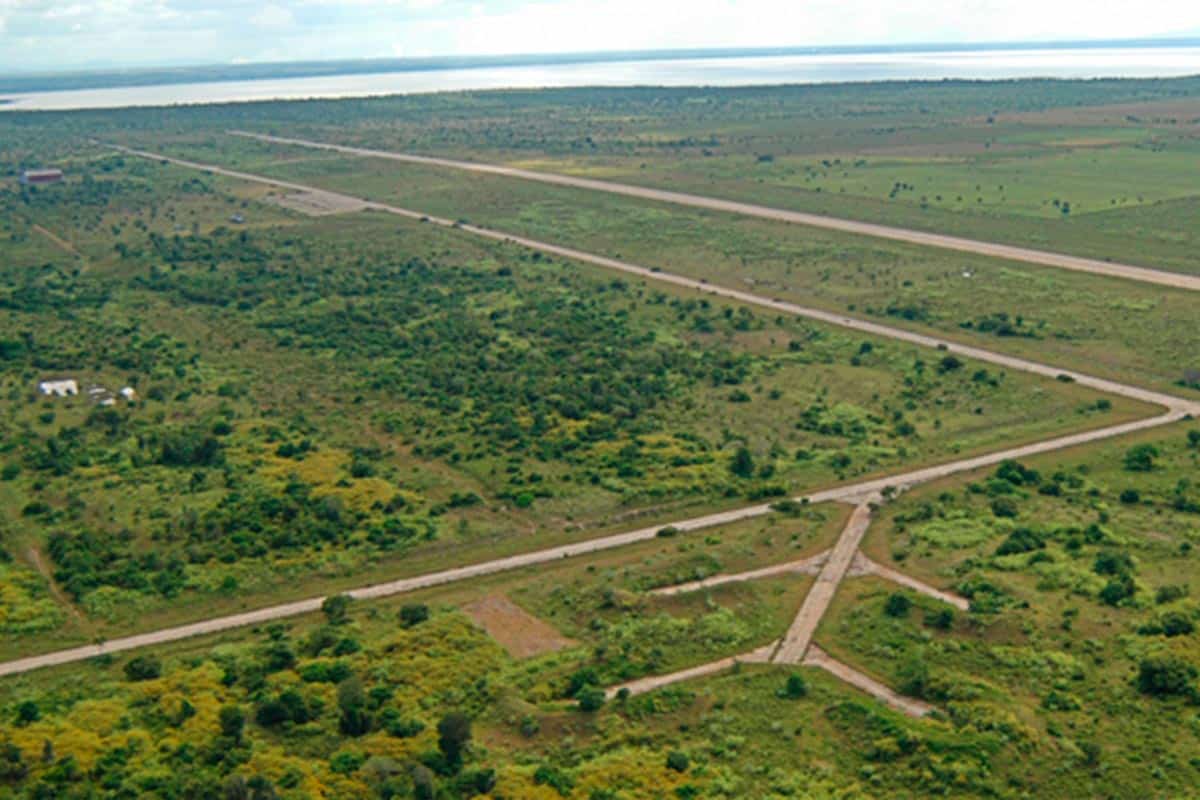
Among the Chinese investments most hyped by Sandinista propaganda are the construction of an international airport in Punta Huete, San Francisco Libre, Managua, estimated at $500 million, and the construction of an $83 million photovoltaic plant in Nindirí, Masaya.
“We shouldn’t simply dismiss Chinese investment. I’m not talking about Chinese merchants, those are practically fake investments in the sense that they bring in inventory, rent a storefront, open a shop, and that’s it. What’s reported as significant investment is in infrastructure projects like photovoltaic plants, or roads like La Costanera, and so on. It’s the same with the ‘Panchito’ (Punta Huete) airport, which began with national funds, and supposedly fresh Chinese funds should be available, but that remains to be seen,” Chamorro concludes.