
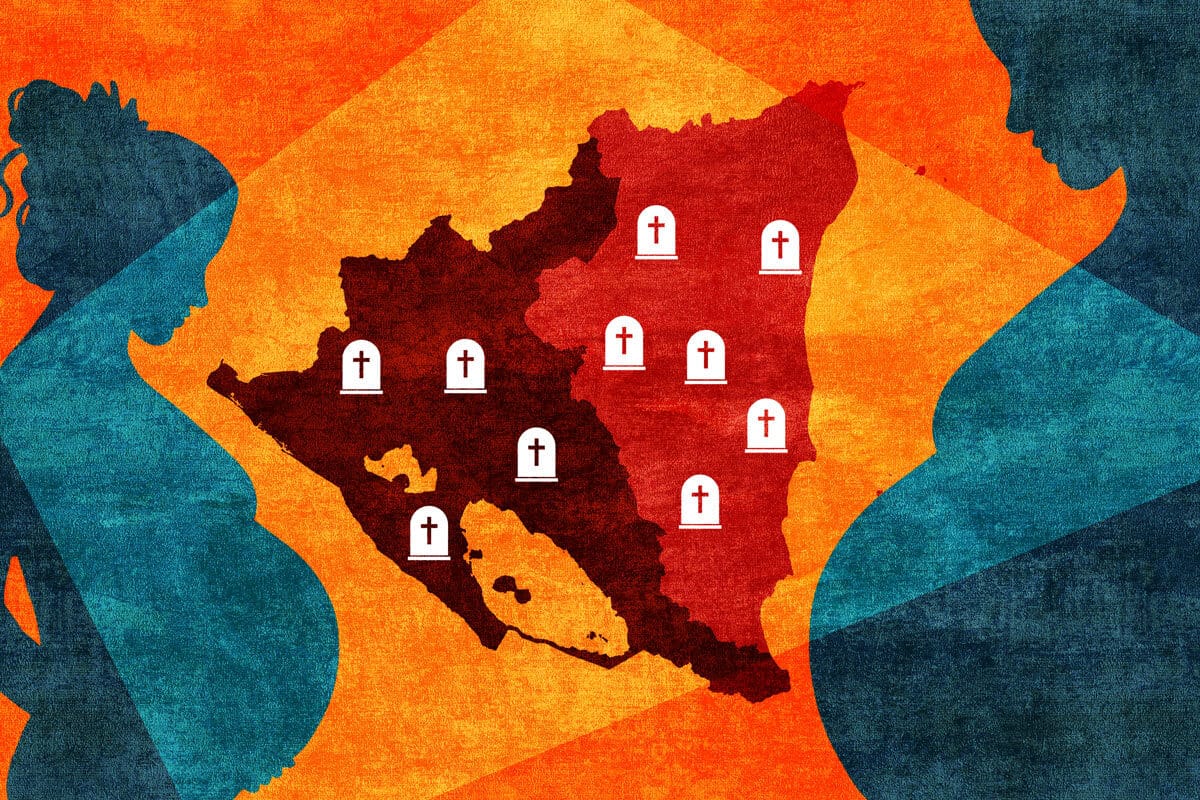
For thousands of women living in the Caribbean region and the mining area of Nicaragua, where they spend their pregnancy can mean the difference between receiving timely care and facing hours of travel before reaching a health center. Data from the Ministry of Health show that this regional disparity continues to be reflected in maternal mortality rates. Four Local Comprehensive Health Care Systems (or SILAIS, its acronym in Spanish)—Bilwi, RACCS, Las Minas, and Zelaya Central—accounted for 10 of the 16 maternal deaths recorded in the country during 2025.
The persistence of this concentration contrasts with the strengthening of health infrastructure and the advances in maternal care that the government claims to have achieved in these territories.
Official records show that this regional concentration increased over the past decade, reaching its highest level in 2025. Between 2016 and 2018, these four SILAIS accounted for 39.5% of the country’s maternal deaths; in 2020 and 2022, the proportion rose to 41.2%; between 2023 and 2025, it reached 52.2%; and in 2025 alone, it accounted for 62.5% of all recorded cases.
The Ministry of Health (Minsa) reported that maternal deaths in Nicaragua fell from 21 in 2024 to 16 in 2025—a 23.8% reduction that the Sandinista regime attributes to the strengthening of perinatal care and the hiring of more than 160 specialized nurses that year. However, official maps produced by the institution itself show that the regions where it claims to have concentrated these efforts continued to have the highest maternal mortality rates in the country.
A week after DIVERGENTES published, on July 15, the first installment of this investigation titled “Nicaragua, Among Countries With the Highest Risk of Maternal Death in Central America,” the Sandinista government released new figures through the propaganda outlet El 19 Digital. On July 23, the Ministry of Health (Minsa) reported that, as of that date, eight deaths related to pregnancy, childbirth, and the postpartum period had been recorded, compared to the 12 reported during the same period in 2025, highlighting a 33.3% reduction.
Although the figure points to a further national decline, the 2026 maternal mortality maps have not yet been published; therefore, it is not yet possible to determine whether this reduction is also reflected in the territories of the Caribbean region, which have historically accounted for the highest number of deaths over the past decade.
More Maternity Homes, Same Critical Regions
The geographic distribution of maternal deaths shows a persistent pattern. Bilwi once again tops the official records with two deaths in 2025, followed by the South Caribbean Coast Autonomous Region (RACCS) and Central Zelaya with three cases each, and Las Minas with two.
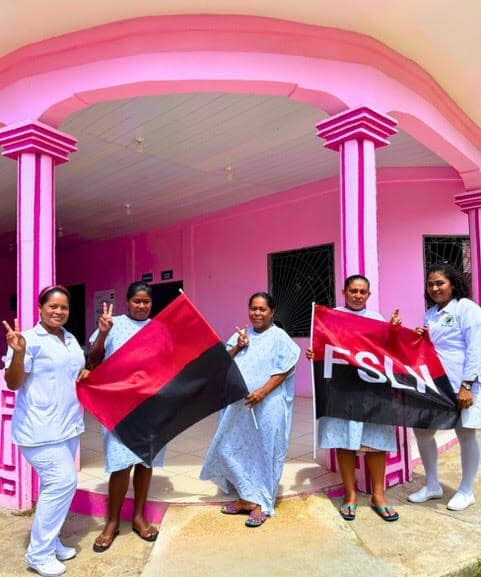
In these same areas, the Ministry of Health (Minsa) claims to have strengthened maternal care in recent years by building new maternity homes, expanding hospitals, hiring specialized staff, and implementing the Family and Community Health Model.
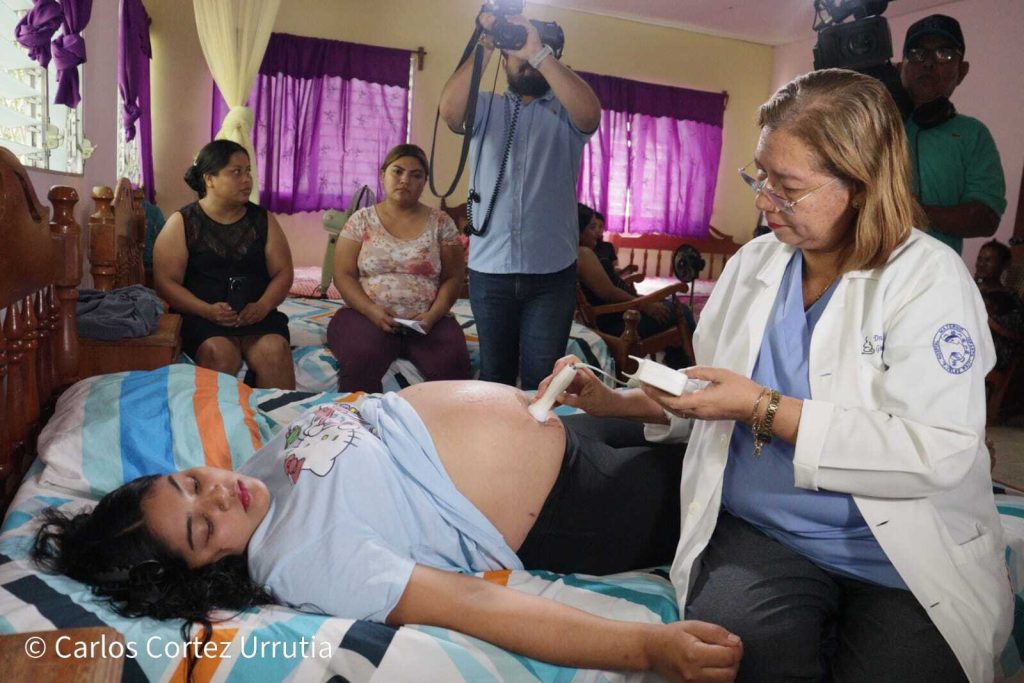
In Bilwi alone, for example, the ministry inaugurated the Porcela Sandino Maternity Home in 2024, with capacity for 42 pregnant women from rural and hard-to-reach communities. According to official data published in May 2025, that facility has provided care to 18,944 women since its opening and also serves as a training center for community midwives.
Nationwide, the Ministry of Health (Minsa) reports that the network of maternity homes grew from 20 facilities in 2006 to 182 in 2025. At the same time, the number of pregnant women receiving care rose from 9,205 in 2006 to 72,143 in 2024, according to official figures. Risk factors remain unchanged.
For José Antonio Delgado Alvarado, a gynecologist with a master’s degree in public health, the fact that these regions continue to rank among the highest in maternal mortality indicates that the factors that have historically increased the risk for pregnant women remain present.
Delgado believes that the infrastructure highlighted by the Ministry of Health (Minsa) is an important component of the maternal care strategy, but he cautions that its impact depends on other factors that come into play long before a woman arrives at a maternity clinic or hospital. “It most likely has to do with the timely detection of complications,” he states.
“Transportation Committees” in the Caribbean
Delgado, a Nicaraguan doctor who is currently in exile, worked for the Ministry of Health (Minsa) until 2007 and was assigned to the Caribbean Coast for a time. That experience gave him firsthand knowledge of the difficulties women face in accessing obstetric care. He recalls that, upon arriving in the region, he thought the so-called “transportation committees” in those communities coordinated ambulances or vehicles to transport pregnant women.
“That was one of the things that struck me the most. I thought transportation meant coordinating an ambulance. They explained to me that they needed about fifty people because the woman had to be carried out of the community in a hammock. Sometimes it’s several kilometers. That time can make all the difference when a patient is experiencing hemorrhaging or another obstetric complication,” she says.
Delgado explains that in many Caribbean communities, transportation still depends on long walks, boats, or the collective effort of dozens of people who carry the patient to a point where she can board a vehicle.
For the specialist, this experience illustrates why the problem cannot be solved solely by building hospitals or maternity homes. In areas with scattered communities, geographic barriers, and limited access to specialized services, the time that elapses between the onset of a complication and medical care remains a decisive factor in the survival of the mother and the newborn.
Added to this are other factors, such as the need to strengthen the training of community midwives, ensure access to essential medications to control postpartum hemorrhage, and improve the early detection of obstetric complications before the patient arrives at a hospital.
The Women Who Continue to Die
Official maps from the Ministry of Health show that the geographic distribution of maternal deaths also follows an age-based pattern. Between 2023 and 2025, 54 of the 67 women who died from causes related to pregnancy, childbirth, or the postpartum period were between the ages of 20 and 39—the age group with the highest number of pregnancies and one that, under adequate care conditions, should not bear the highest mortality burden.
During that period, 24 women were between the ages of 20 and 29, and another 30 were between the ages of 30 and 39, accounting for 80.6% of all maternal deaths reported by the Ministry. In contrast, there were nine cases among women under 20 and just four among those over 40.
For gynecologist José Antonio Delgado, this distribution shows that the problem goes beyond the risk factors traditionally associated with age.
“It is generally assumed that the highest-risk groups are women under 20 and those over 39. But when the majority of deaths occur among women aged 20 to 39, we need to examine whether complications were detected in a timely manner, whether there was adequate prenatal care, and whether the system’s response was sufficiently rapid,” he explains.
In his analysis, the profile of the victims suggests that interventions should not focus solely on pregnancies considered high-risk, but rather on strengthening clinical monitoring and response capacity for all women who develop obstetric complications.
What the Figures Still Do Not Explain
The maternal mortality maps published by the health agency make it possible to identify where deaths are concentrated, what the leading causes are, and which age groups are most affected. What they do not show is what happened between the onset of the first complications and each woman’s death.
Delgado recalls that when he worked at the Ministry of Health, before 2007, researchers could access much more detailed information about each case.
“You would request information about a maternal death, and they would provide the patient’s age, the cause, where she had been hospitalized, how many prenatal checkups she had received, what her risk factors were… practically the entire epidemiological record. Today, that information is no longer published,” he says.
According to the specialist, this data would make it possible to determine whether women received adequate prenatal care, how much time elapsed between the onset of complications and specialized care, whether there were delays in transport from their communities, or whether emergencies were managed in accordance with clinical protocols.
“With the data they publish, we can identify where the deaths are occurring. What we cannot determine is exactly why they occurred or at which point in the care process the system failed,” he summarizes.
For the public health specialist, understanding why these gaps persist requires sufficient public information to assess whether the interventions implemented are changing the conditions that have historically placed these regions among the most vulnerable in the country.
More Hospitals, Fewer Doctors
The Ministry of Health’s strategy to reduce maternal mortality has been accompanied by a sustained expansion of health infrastructure. In addition to the growth of the network of maternity centers, the government has opened new hospitals and maintains that strengthening the Family and Community Health Model helped reduce maternal deaths in 2025.
However, this expansion is taking place within a health system that faces another structural challenge. Nicaragua continues to be the country with the lowest number of doctors per capita in Central America, with just nine doctors per 10,000 inhabitants, according to estimates by the World Health Organization (WHO).
That figure remains well below the threshold of 23 health professionals—including doctors, nurses, and midwives—per 10,000 inhabitants that the WHO considers necessary to ensure coverage of essential services.
This situation is particularly acute in areas such as Bilwi, RACCS, Las Minas, and Zelaya Central, where long distances, scattered communities, and limited access increase the demand for trained health personnel capable of detecting obstetric complications and responding promptly to emergencies.