
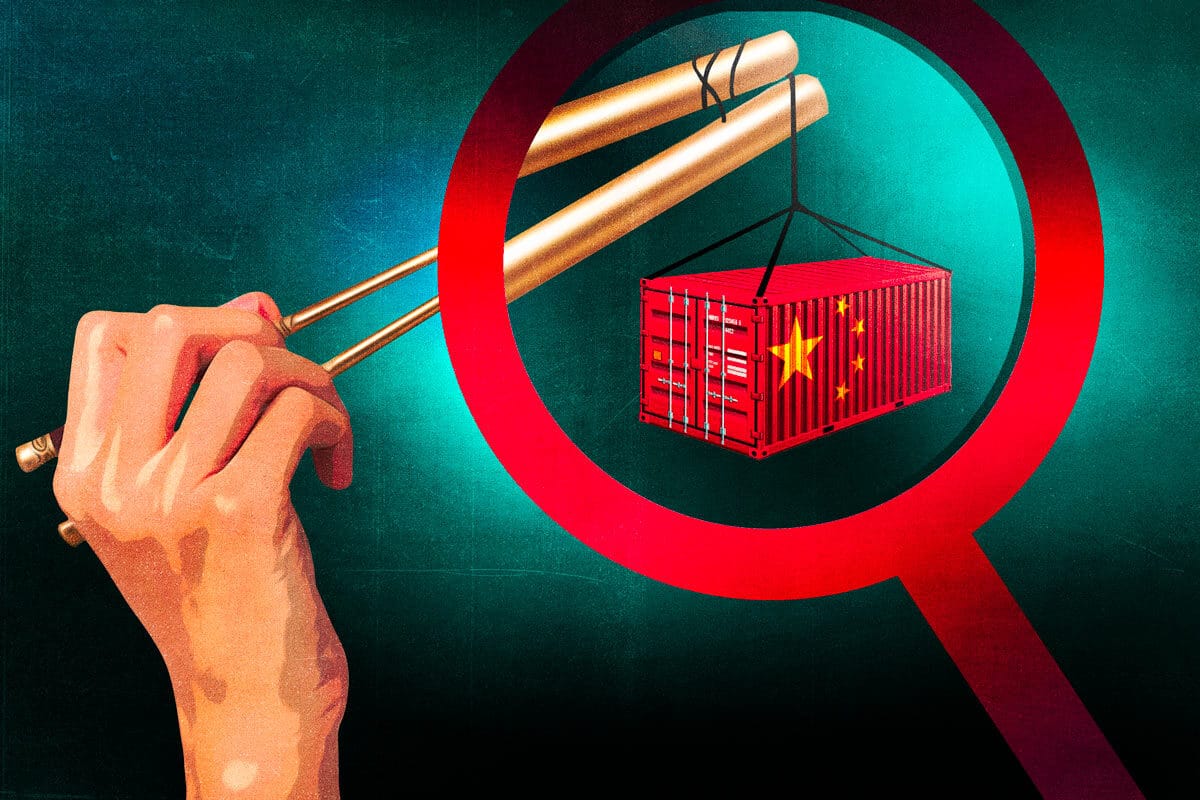
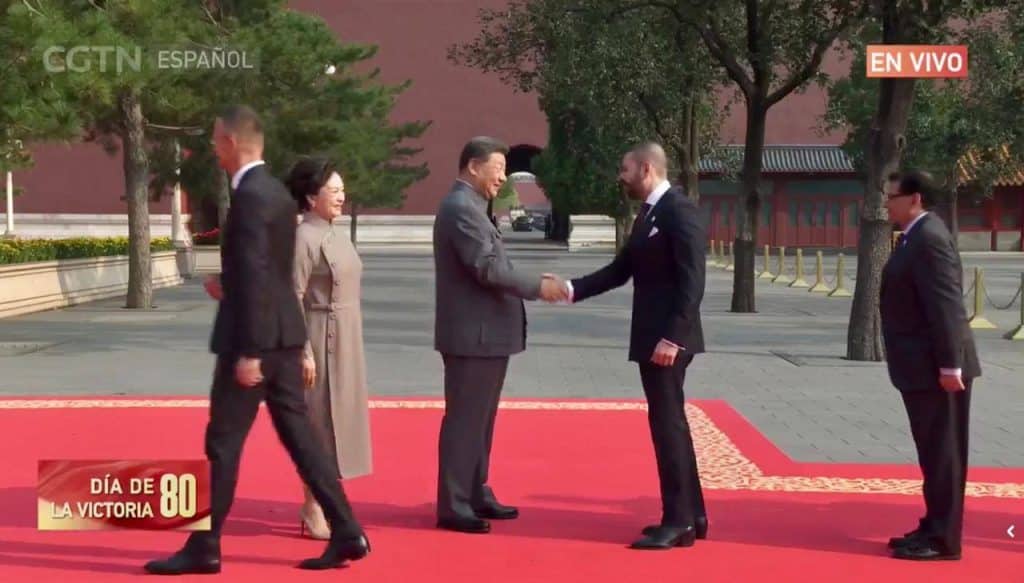
Since Daniel Ortega broke off relations with Taiwan in 2021 and sealed a new alliance with China that same year, his son, Laureano Ortega Murillo, has served as the primary operator for diplomatic, commercial, and investment agreements. Through his role as Presidential Advisor and Special Representative for Asia, Laureano has concentrated strategic ties with Beijing within his own persona. In other words, he has turned an international relationship into a family affair. This dynamic has facilitated an opaque scheme of cooperation and investments lacking accountability, all while the national economy accumulates a growing trade imbalance.
According to the China Index 2024—an international study led by DoubleThink Lab that evaluates Chinese government influence in over 80 countries across nine categories—Nicaragua ranks as one of the Latin American countries most permeable to the influence of the Beijing regime, especially after re-establishing relations five years ago. Although it does not top the regional ranking—a spot occupied by Venezuela—the Central American nation shows high levels of influence in the categories of media, academia, technological cooperation, and political ties.
Laureano Ortega has spearheaded every key negotiation with the Chinese regime: the signing of the diplomatic re-establishment in December 2021, the accession to the Belt and Road Initiative in 2022, the Free Trade Agreement (FTA) in 2023, as well as multiple memorandums of understanding regarding infrastructure, energy, and telecommunications over the last five years. This represents a concentration of functions that reinforces a pattern of dynastic governance, wherein bilateral relations are utilized as platforms for internal power and succession planning.
Under this logic, China is presented not merely as a “strategic partner,” but as a geopolitical bet for legitimation at a time when the Ortega-Murillo regime is sanctioned and isolated by the United States and the European Union. However, the actual economic results of this alliance are far from matching the official discourse.
In the analysis Is China Taking Nicaragua, or Has Nicaragua Sold Itself to China?, Nicaraguan political scientist Manuel Orozco warns that the relationship with China has been built on a deeply asymmetrical logic, where Nicaragua assumes the economic costs while the Asian nation consolidates commercial and strategic advantages. The researcher from the Inter-American Dialogue maintains that the increase in Chinese imports is not accompanied by a significant expansion of Nicaraguan exports. This turns the relationship into an unequal exchange and, he warns, increases external dependence while reducing the country’s economic maneuvering room.
A Structural Trade Imbalance
Official figures confirm the analysis by the director of the Migration, Remittances, and Development program at the Inter-American Dialogue. Between January and November 2025, Nicaragua imported goods from China worth $1.366 billion, while its exports barely reached $93.72 million, according to data from the Central Bank of Nicaragua (BCN) and the Observatory of Economic Complexity (OEC).
This difference represents a commercial disproportion of approximately 1,358% in China’s favor. That is to say, for every dollar Nicaragua sells to the Asian country, it imports 15 dollars in merchandise. This trend—which does not include December 2025—represents a slight increase compared to 2024, when Nicaraguan exports to China totaled $82.1 million against imports that reached $1.65 billion.
“The trade imbalance between Nicaragua and China is not only deep, but structural,” warns economist Enrique Sáenz. The Nicaraguan economy, he explains, possesses a small productive apparatus that is poorly diversified and dependent on raw materials with low added value. “An economy that produces few goods, with low added value, can hardly compete in a market as distant and demanding as the Chinese one,” he maintains.
The majority of Nicaraguan exports to China—leather, frozen meat, beans—have remained without significant variation since 2022. Conversely, imports from China range from heavy machinery to electronic and pharmaceutical products, deepening the country’s technological subordination.
Despite the official rhetoric promoting China as a “strategic partner,” trade data shows that the Asian country is far from fulfilling the role historically played by the United States as Nicaragua’s main economic partner through the DR-CAFTA Free Trade Agreement.
From January to November 2025, the North American country purchased 48% of Nicaraguan exports, with a volume exceeding $3.8 billion, while China absorbed barely 1%, according to data from the Ministry of Development, Industry, and Commerce (MIFIC). This contrast reaffirms that, despite the political alignment with Beijing, the engine of national exports remains the US market.
In contrast, Chinese economic influence is advancing more visibly in local commerce. This is the phenomenon of “Chinanization.” Since 2023, a wave of Chinese establishments, supermarkets, and stores has proliferated in cities like Managua, Rivas, and other departmental capitals, occupying spaces previously dominated by small Nicaraguan businesses.
This expansion—widely documented by DIVERGENTES—shows how businesses like Metro China, Chinese Store, or the China Wanda Shopping Center are progressively displacing traditional vendors, offering merchandise at rock-bottom prices that local producers can hardly match due to the tax exemptions enjoyed by Asian businesses, unlike their national counterparts.
Exports Lacking Dynamism and Strategy
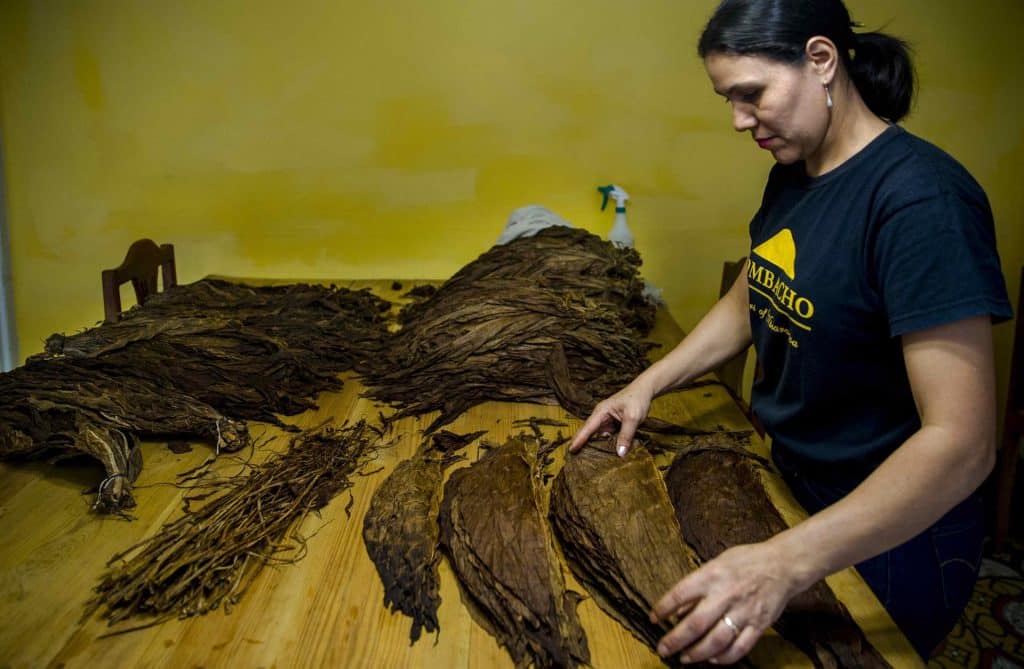
The volume exported to China has shown signs of stagnation. In October and November 2025, barely $7.67 million and $6.85 million were shipped, respectively. Sáenz highlights that, beyond the propaganda, there are objective reasons for the lag: “Exporting to Asia is not the same as exporting to Central America. Transport, logistics, scale… all of that increases the cost of shipments from Nicaragua, which are also low volume and low value.”
Furthermore, he points out that China does not prioritize political profitability in its commercial relations. “The regime has rested part of its strategy on presenting itself as a strategic partner of China, inflating expectations and spinning tales,” notes Sáenz. “But China does not guide its relations by ideological motives, but by profitability. And Nicaragua, compared to partners like Brazil, Argentina, or Chile, appears on the margins.”
This diagnosis coincides with the analysis of researcher Evan Ellis, a specialist in China-Latin America relations, who warns that the engagement model promoted by the Nicaraguan regime reproduces a pattern of dependency. Ellis maintains that “China tends to offer financing and investments that primarily favor its own state-owned enterprises, while recipient countries assume significant debts without developing local productive capabilities.” In Nicaragua’s case, he adds, “the announced projects have not generated a proportional economic impact and are managed with high levels of institutional opacity.”
Little Transparency, Political Aims, and Scant Execution
The majority of projects announced within the framework of the alliance with China—free trade zones, hospitals, infrastructure, power generators, port logistics, and external financing totaling over $1 billion—have not moved beyond official press releases or signed agreements with no clear execution. There is no consistent public evidence of competitive bidding processes, independent socio-environmental impact studies, or mechanisms for parliamentary or citizen oversight.
Instead, available documentation indicates that these agreements have been negotiated directly between governments and companies based in the People’s Republic of China (PRC), with clauses and conditions that emphasize the advantage of Chinese suppliers.
According to Ellis, in his analysis of the Chinese economic presence in Nicaragua since the re-establishment of relations in December 2021, these agreements have created a “state infrastructure relationship” model in which Beijing conditions project execution on terms unfavorable to Managua and often stipulates that part of the funds be paid in advance to the recipient companies.
In Ellis’s words, “loan terms included relatively short repayment periods, unusually high interest rates, and burdensome conditions such as high origination fees,” obliging the Nicaraguan state to commit to repaying more than $2 billion for credits whose actual disbursement might not exceed the agreed $1.437 billion. This structure, the analyst argues, turns the relationship into a financial risk for the country, with future obligations exceeding the value of the goods and works in progress.
Ellis documents that, although 11 main loans of this type were signed between 2023 and 2025, the majority of the funds have not been fully released for concrete works. Some projects have advanced only on paper or partially, while others are completely stalled:
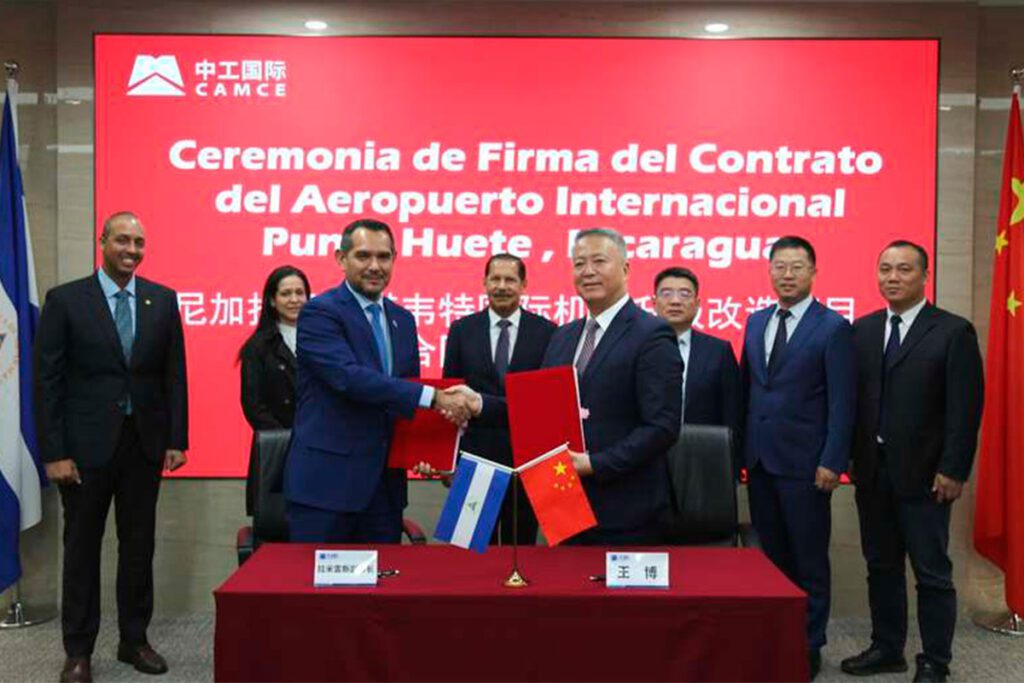
- The flagship project to modernize the Punta Huete International Airport, awarded to the Chinese company CAMCE, was promoted as a high-impact work with an expanded runway for large aircraft. However, since its announcement, there has been no progress proportional to the committed capital. Ellis highlights that this work—located almost an hour from Managua—is relatively unnecessary from a commercial standpoint, as the existing airport, Augusto C. Sandino, operates with considerable availability and without saturation.
- The contract with CHINAICTC for the construction of a $335 million logistics center and improvements to the port of Corinto has been celebrated as key to boosting trade, but Ellis’s analysis maintains that these contracts disproportionately benefit Chinese maritime logistics companies, with scant transfer of capabilities to the local economy.
- The contract with the China State Construction Engineering Corporation (CSCEC) for the second phase of the Pacific Coastal Highway has not begun because China has not disbursed the committed funds, which has paralyzed execution and calls the contractual viability into question.
- Projects such as the three Liquefied Natural Gas (LNG) storage spheres, also commissioned to China CAMC Engineering Co., Ltd (CAMCE)—a Chinese state-owned enterprise specializing in large-scale engineering, construction, and project management contracts—have yet to begin, despite being signed and budgeted.
In addition to physical infrastructure, Ellis highlights Chinese penetration into productive and strategic sectors, many of them sensitive:
- In the mining sector, following the re-establishment of relations with Beijing, the Ortega government has granted at least 43 concessions to eight different Chinese companies, concentrated mainly in gold extraction in the northeast of the country. This covers almost 5% of the national territory and has generated conflicts with indigenous communities, environmental damage, and a lack of clarity regarding exploitation terms.
- In renewable energy, contracts with firms like China Construction and Communications Corporation (CCCC) are oriented toward multiple solar and wind farms, including “El Hato” ($67 million), Nindirí ($71 million), El Barro ($69 million), and La Mesita ($57 million), among others, though their real impact on local productivity and employment is still incipient.
- In digital infrastructure and telecommunications, companies like Huawei are leading the expansion of 5G and communication networks, despite concerns regarding digital security and state surveillance that have been flagged in other countries by international security experts.
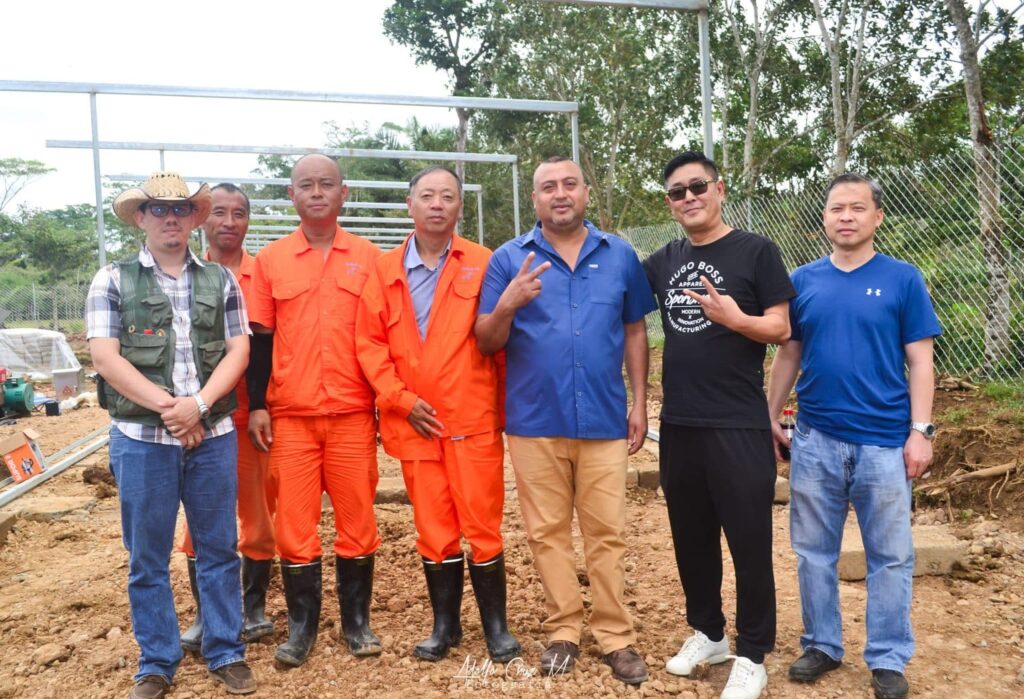
The analyst also documents that this economic advance is complemented by an increase in Chinese political and educational presence in Nicaragua, such as the installation of a Confucius Institute at the National Autonomous University of Nicaragua in September 2024 and the participation of Nicaraguan journalists and officials in training programs in China. This expands cultural, media, and propaganda influence—a front also supported by Russia.
Ellis concludes that, in many cases, the Chinese investment strategy in countries like Nicaragua does not translate into sustainable economic development for local citizens, but rather into the consolidation of political and economic power networks that favor ruling elites and Chinese companies.
“Projects financed under these conditions create infrastructure that is of strategic value to the People’s Republic of China and position its companies in deep relationships with Nicaraguan business and political elites, rather than with the national productive base,” writes the analyst.
This argument reinforces the idea that cooperation with China is used to sustain authoritarian regimes and their geopolitical agendas, and not necessarily to promote the integral development of local economies.
Taiwan, a More Efficient Partner
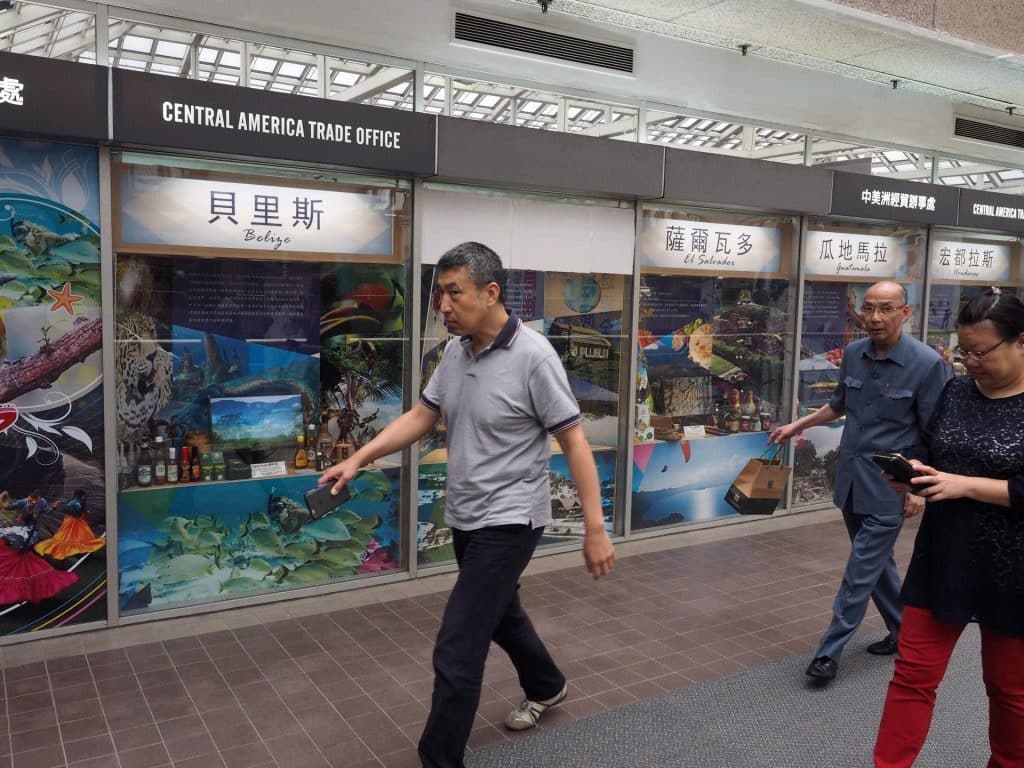
Paradoxically, Taiwan—with whom Nicaragua severed diplomatic relations—continues to buy more Nicaraguan products than China. Between January and September 2025, Taiwan imported $85.1 million in Nicaraguan goods, compared to $79.2 million sent to China. “The growth of exports to Taiwan has been even greater than to China, despite the fact that there are no longer diplomatic relations,” confirms Sáenz.
This demonstrates that political affinity does not necessarily determine commercial success. Taiwan maintains agreements that are more accessible to Nicaraguan exporters, while the FTA with China has not generated the dynamic effect it promised.
The growing dependence on China as a supplier—and not as a buyer—turns Nicaragua into a weak link on the geopolitical chessboard. From a strategic perspective, researcher Evan Ellis warns that China’s growing physical presence in the country, coupled with its ability to operate under opaque schemes, increases the risk that “Nicaragua could be used as a platform for anti-American Chinese activities, both in times of peace and in a war scenario.”
This possibility, he points out, represents a direct threat to United States security interests in the region and is contemplated within the priorities of the Trump administration’s new 2025 National Security Strategy.
For economist Enrique Sáenz, this shift represents a breaking point: “What might have previously seemed like a political asset for Ortega has today become a vulnerability. He can no longer use the relationship with China as an international shield without exposing himself to consequences.”
In strategic terms, the China Index warns about the use of soft power tools and technological cooperation to expand the Chinese sphere of influence in countries with weakened democracies or authoritarian regimes. Nicaragua appears as a case study of how China establishes asymmetrical relationships that allow it to expand its geopolitical presence without necessarily generating equitable economic benefits.
In the experts’ view, the regime faces structural limits—a weak and poorly diversified economy—and political limits, because by deepening alignment with Beijing, it could attract selective retaliation, sanctions, or restrictions on access to key markets. “The risk is not only commercial; it is also geopolitical and existential for a regime that is increasingly isolated,” concludes Sáenz.
With his omnipresent figure at official events, speeches laden with gratitude toward the People’s Republic of China, and promises of more mega-projects, Laureano Ortega projects a narrative of progress that contrasts with the scarce real benefits for the Nicaraguan economy. His enthusiasm for inaugurating works that remain marginal reinforces the true face of the alliance: a relationship that is personalized, opaque, and oriented more toward internal propaganda than the sustainable development of the country. In that geopolitical game, Laureano embodies not only the diplomatic operator but also the visible face of a strategy that has subordinated national interests to a dynastic vision of power.