
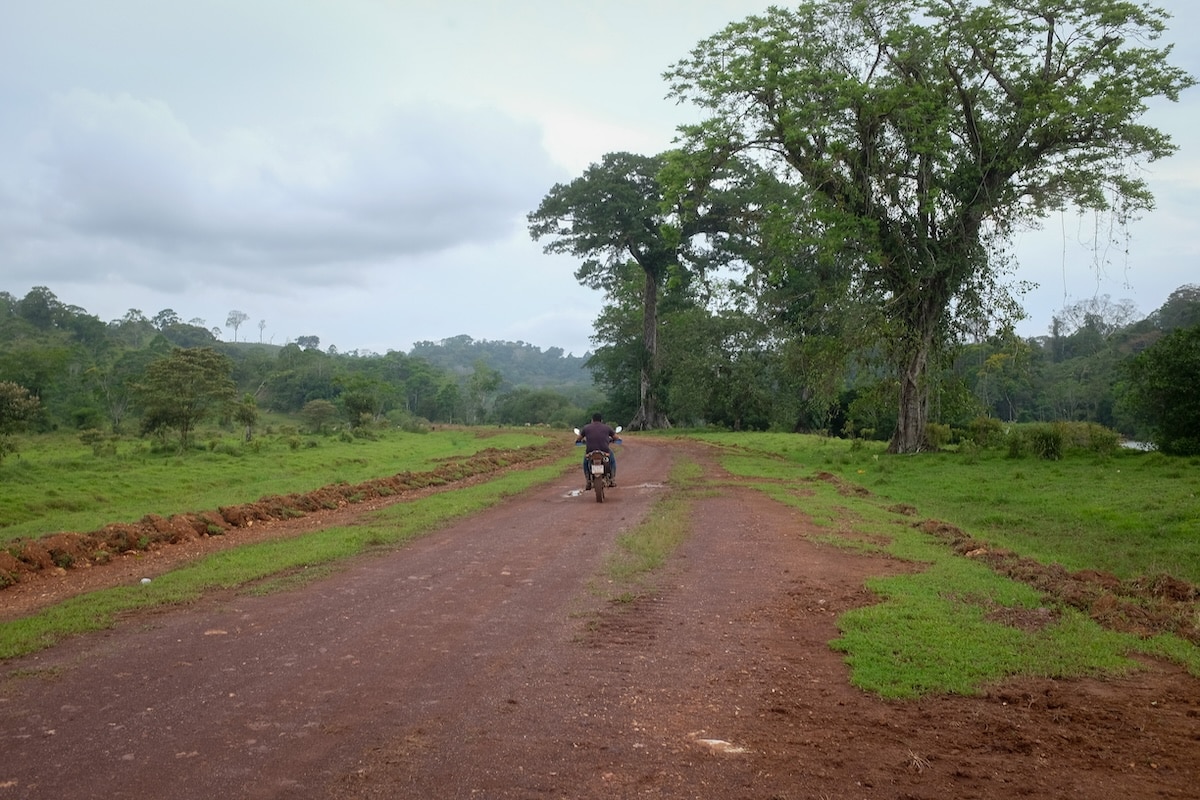
The U.S. Embassy in Managua warned on Thursday that its citizens should report if they have been victims of expropriations, confiscations, or restrictions on the sale of land legally purchased in Nicaragua by the regime of Daniel Ortega and Rosario Murillo. The notice was issued fifteen days after the Sandinista-controlled Parliament approved the new Border Territory Law, which nationalizes and militarizes all land within a 15-kilometer strip from Nicaragua’s international borders inward.
“Are you a U.S. citizen who has been affected by an expropriation, confiscation, sales restriction, or seizure of land you legally purchased in Nicaragua by the Nicaraguan Government? Let us know by sending an email to [email protected],” the notice advises.
“We will collect the information you provide to inform U.S. Government reports, such as the Investment Climate Statement and the annual reports to Congress on expropriations affecting U.S. nationals.”
The U.S. Embassy stresses that, for Washington, “property rights are unreliable in Nicaragua and laws are applied arbitrarily.” It adds: “The Nicaraguan Government regularly seizes private property without prior notice or due process.”
Property seizures remain a sensitive and feared issue among Nicaraguans, especially after the 2018 protests, when the presidential couple began confiscating properties belonging to opponents, civil society organizations, businesspeople, media outlets, universities, and even Catholic Church buildings.
The most recent property taken was San José School in Jinotepe, Carazo. Vice President Murillo herself announced the seizure on August 12, claiming that during the 2018 uprising the school was a site where opponents committed “torture and killings,” and that they were responsible for the death of Sandinista supporter Bismarck Martínez.
The new Border Territory Law will have its greatest impact along Nicaragua’s borders with Honduras and Costa Rica.
To the north, the border with Honduras stretches 950 kilometers across mountainous areas, rivers, and Indigenous and rural territories. The region hosts cattle ranches, mining concessions, and both legal and illegal logging of precious woods.
To the south, along Costa Rica, the 309-kilometer land border runs through rural areas, protected zones, Indigenous territories, and Pacific coast beaches with high tourism potential. In addition to farms, the area is home to vast orange groves owned by major Nicaraguan business groups.
Multiple Risk Warnings from Washington
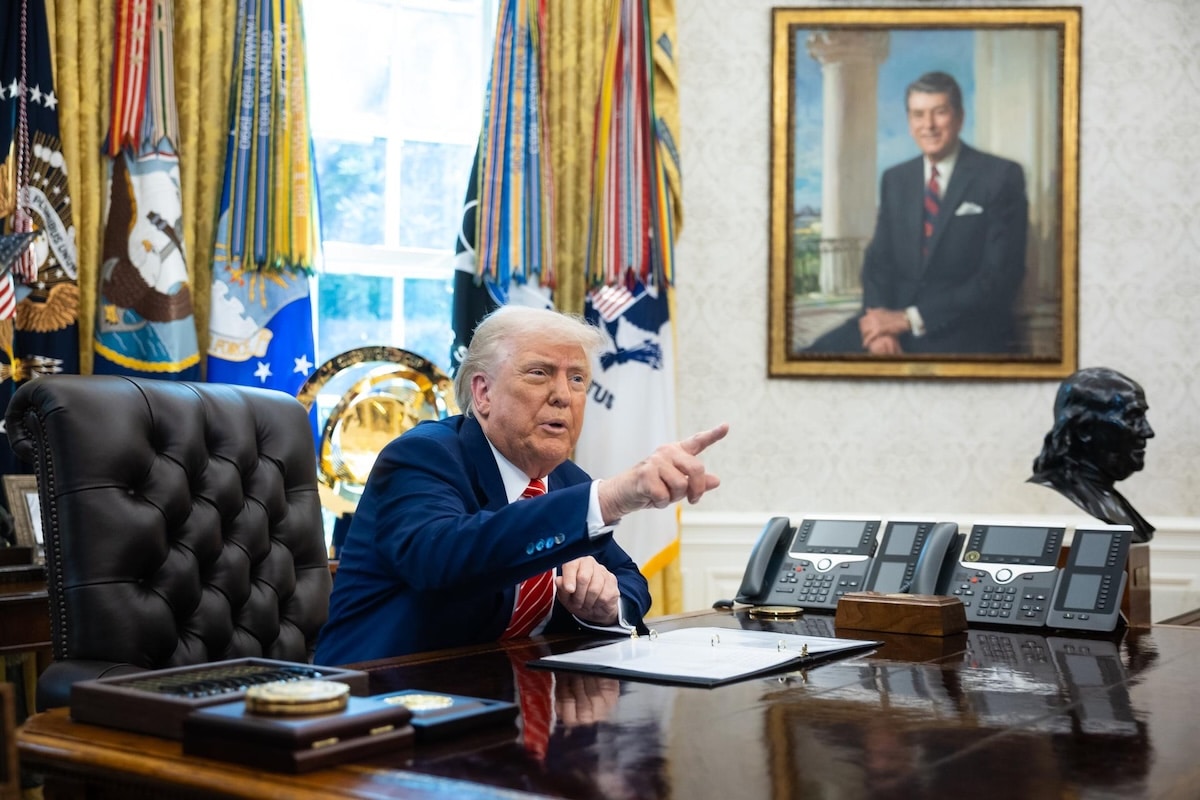
In its notice, Washington also warns its citizens that “they must understand the risks of investing or purchasing property in Nicaragua.” It points to earlier advisories, including the Travel Advisory for Nicaragua, the Investment Climate Statement, and the State Department’s country information page.
Link to U.S. Embassy in Nicaragua statement
Two days before the confiscation warning, Washington also issued a travel advisory urging its citizens not to travel to Nicaragua, classifying the country as “Risk Level D.” This category includes nations that, according to the U.S. government, pose a “high risk of wrongful and arbitrary detention of U.S. citizens.” Alongside Nicaragua, the list includes dictatorships such as North Korea, Russia, Venezuela, Iran, Afghanistan, Myanmar, and Eritrea.
On August 18, the State Department also released its annual report on human rights violations in Nicaragua. It highlights serious issues, including “credible reports of arbitrary or unlawful killings; disappearances; torture or cruel, inhuman, or degrading treatment or punishment; arbitrary arrest and detention; transnational repression of individuals abroad; severe restrictions on freedom of expression and press—including violence or threats of violence against journalists, unjustified arrests or prosecutions of journalists, censorship, and significant restrictions on internet freedom; restrictions on religious freedom; human trafficking, including forced labor; significant restrictions on workers’ freedom of association; and the worst forms of child labor.”
The report also notes the recent seizures of media outlets such as Radio María, following earlier expropriations of the headquearters of La Prensa, Confidencial, and 100% Noticias.
Fear Among Border Property Owners
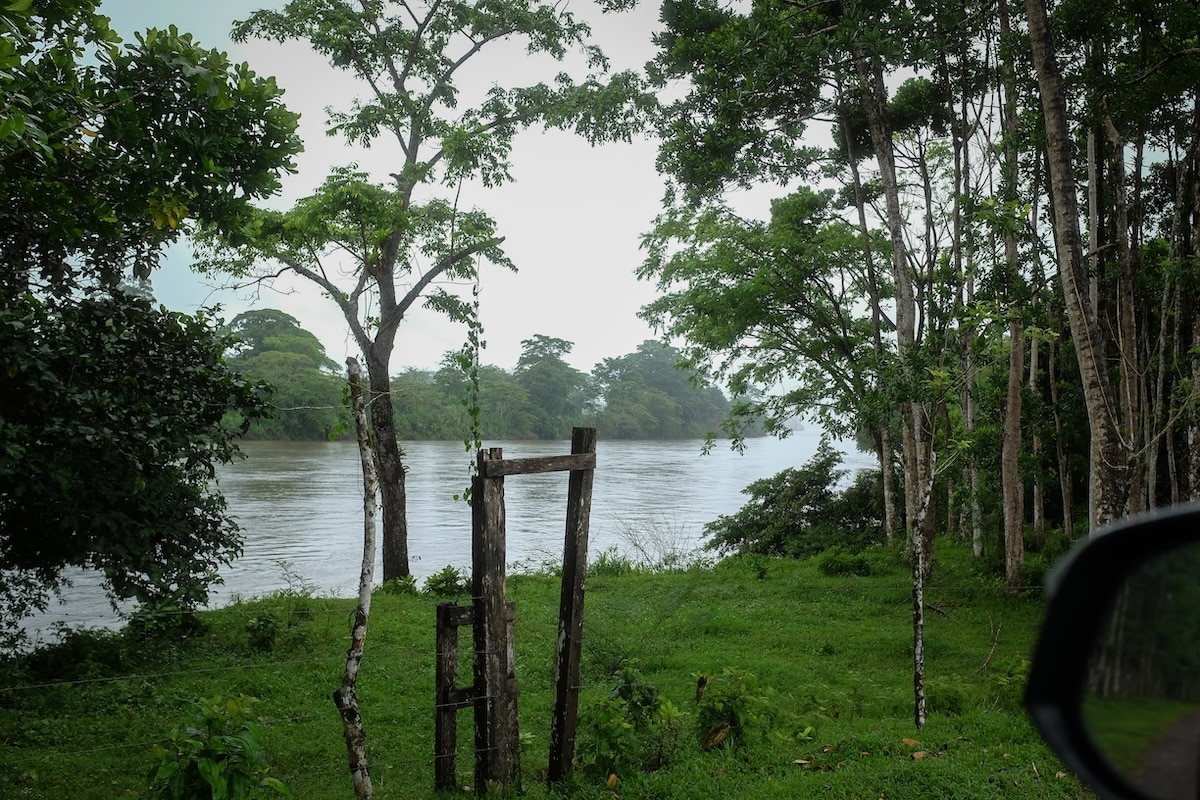
The new Border Territory Law has left hundreds of property owners unsettled, as their land falls within the 15-kilometer confiscation strip. DIVERGENTES spoke with several landowners, who all expressed deep uncertainty. None have been contacted, and they have no information about the future of their properties.
A source close to the private sector confirmed that its members in the affected area have also received no notification. “What we assume is that they haven’t said anything because they will use this law like a sword of Damocles. That’s always how they act with confiscations. When it suits them, they’ll start expropriating, depending on the property’s value,” the source explained.
“We’re waiting to see if they issue regulations for the law, because as it stands, it doesn’t say much more. We don’t know if it guarantees our property rights, but for now all we can do is wait,” said one rancher from northern Nicaragua.
Meanwhile, the Network of Indigenous Defenders of the Caribbean Coast denounced that about 100 Indigenous and Afro-descendant communities located along the borders with Honduras and Costa Rica will be directly affected by the new law. They argue that it “directly undermines” their legal security and autonomy.
“This new regulation not only contradicts existing legal frameworks, but legitimizes the dispossession of Indigenous and Afro-descendant peoples from their territories and the exploitation of their natural resources. It allows the Nicaraguan State to carry out expropriations and forced displacements of Indigenous and Afro-descendant communities without their prior, free, and informed consent, under the justification of sovereignty and national security,” the network’s statement reads.
With Washington’s warning, the new border law, and the most recent confiscations, Nicaragua reinforces its image as a high-risk country for investment and property rights, where the threat of dispossession looms over both foreign nationals and local communities. This is particularly serious given that Nicaragua depends on foreign investment, especially from the United States, its main trading partner.