

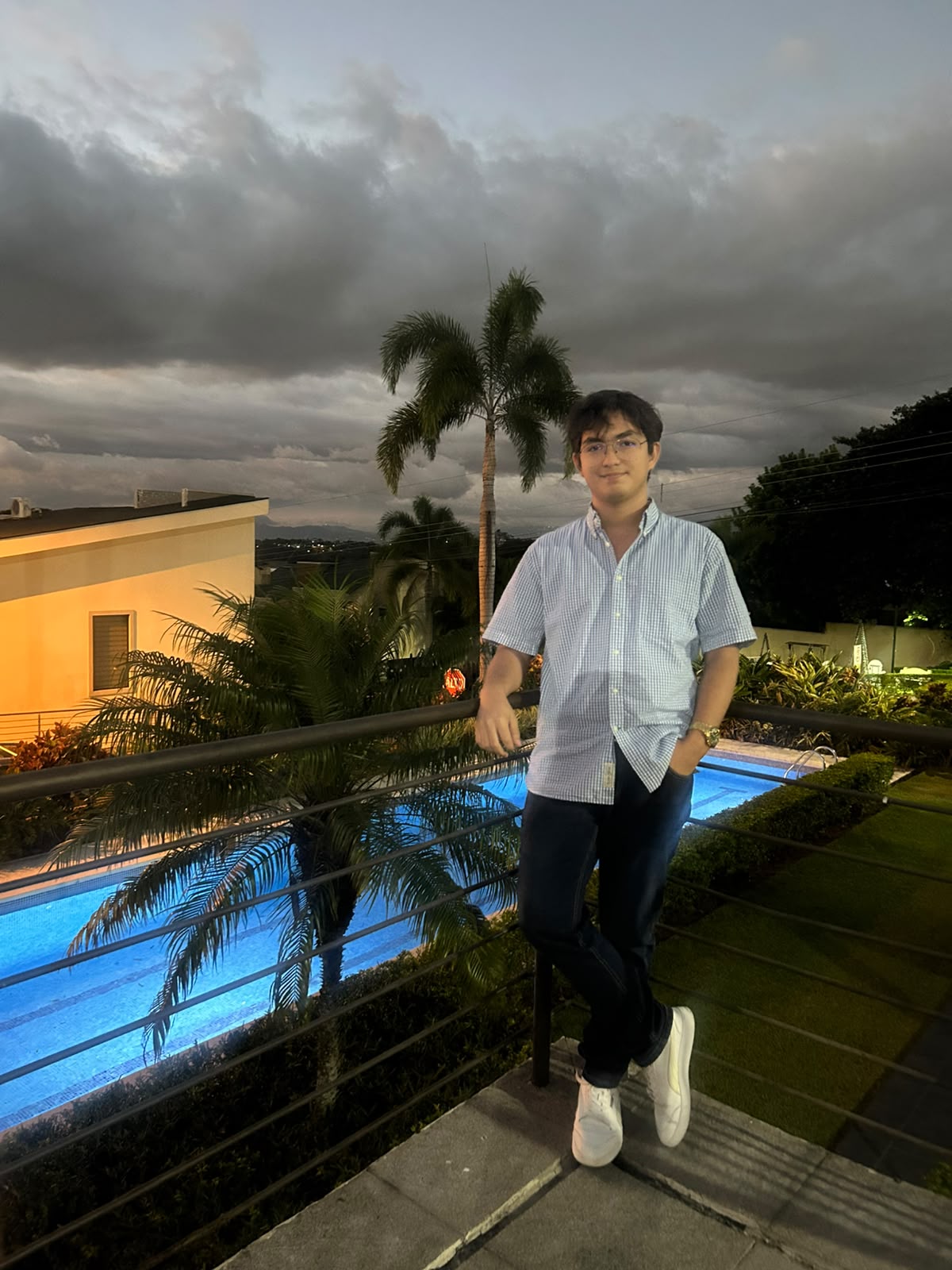
Hanssel Rodríguez, 18, is a first year business administration student at a private university in Costa Rica. He has a scholarship that covers all his tuition, at a place where he can ask questions, debate, and express his opinions in the classroom without any fear of losing said scholarship. For him, being free to do this is one of the main differences between the education he received in Nicaragua and the one he found after leaving his country.
Hanssel arrived in Costa Rica with his family when he was 15 years old. They left Nicaragua due to political persecution and were granted refugee status in May 2024. The teenager enrolled in a Costa Rican public high school, adapted to the new educational system, and completed his high school diploma there.
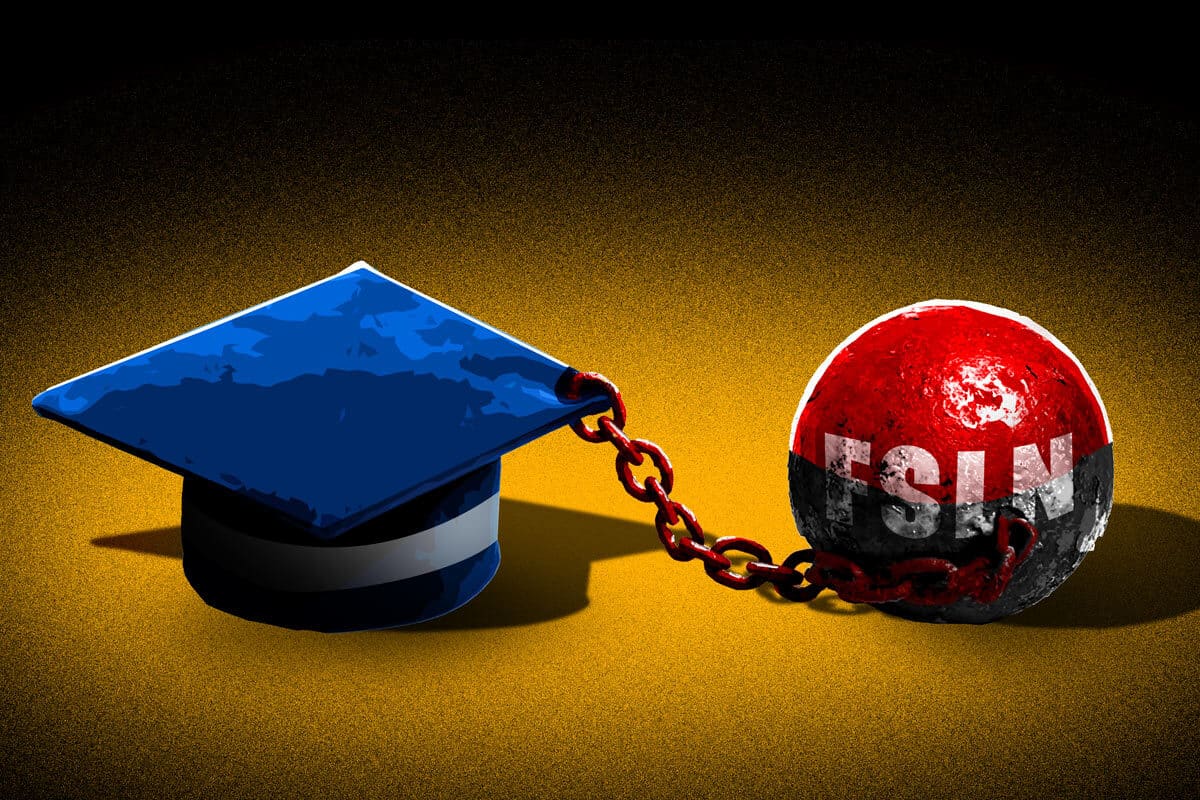
His education is taking place while the regime of co-presidents Daniel Ortega and Rosario Murillo is intensifying political indoctrination in universities. Hanssel laments the loss of Nicaraguan classrooms as spaces for discussion and critical thinking.
“It saddens me to see how the regime has subjugated education at all levels, including higher education, by adding political courses for indoctrination,” he says.
Hanssel’s experience is part of a broader phenomenon. Young people who have been expelled, persecuted, or disillusioned by the deterioration of universities are seeking opportunities outside Nicaragua to study without political constraints. An organization founded in exile has supported more than 200 of them over the past four years.
A Way to Continue Studying
The Bridges for Nicaraguan Students Initiative (or Ipen, its acronym in Spanish) was founded in Costa Rica in August 2022 to help young people whose academic careers had been interrupted by expulsion, persecution, imprisonment, or exile. Its co-founders had faced those same challenges and understood the obstacles involved in retrieving documents, validating academic records, securing scholarships, and returning to a university outside the country.
Before creating the organization, its co-founders, Marco Aurelio Peña and Elthon Rivera, participated in the Higher Education Continuity Program at Paulo Freire University. The project helped some 80 Nicaraguans living in Nicaragua, Costa Rica, Spain, and the United States after they had been expelled, imprisoned, persecuted, or removed from academic records.
The regime shut down Paulo Freire University in February 2022. Rivera left Nicaragua that same year to escape persecution by the Sandinista police and found other exiled students in Costa Rica who were also unable to continue their studies.
“It was clear that university students were being persecuted, expelled, harassed, and forced into exile, but there was no response,” explains Peña, executive director of Ipen.
The organization facilitates opportunities for higher education, provides guidance on applications, issues letters of recommendation, and assists with enrollment and paperwork. It also offers courses on leadership, democracy, peacebuilding, human rights, journalism, and digital tools.
Ipen began with three programs. Puentes facilitates opportunities to begin or continue higher education. Amistad offers academic guidance, letters of recommendation, temporary financial aid, and assistance with paperwork. Fuerza develops courses and workshops that complement participants’ professional training.
In four years, this nonprofit organization has benefited more than 200 young people between the ages of 18 and 35 with scholarships, support, and training, according to Peña. It also secured at least 20 undergraduate and graduate scholarships in Europe and participated in a project that enabled 32 students to enroll in six Costa Rican universities.
Its beneficiaries have studied in Nicaragua, Costa Rica, Guatemala, Colombia, Romania, and Spain. In some cases, the organization has also secured funds to cover airfare, health insurance, and the paperwork required for travel.
“The number of requests for assistance exceeds the capacity of a small organization to respond,” Peña acknowledges. Most of the work is done by volunteers, and the initiative does not have permanent funding.
The profile of those who turn to Ipen has broadened. Initially, they were students who had been expelled or forced to leave the country because of their participation in protests. Now, the group includes young people who have not suffered direct reprisals but who distrust the quality of education, reject the politicization of classrooms, or see no career prospects in Nicaragua.
The International Network of Human Rights Europe (or RIDHE, its acronym in Spanish) estimates that some 20,000 Nicaraguan students have been forced to abandon their academic studies in Nicaragua since 2018 due to persecution, surveillance, and political indoctrination imposed by the Sandinista regime.
Nicaraguan human rights organizations report that 300 students were expelled from the country’s universities for openly participating in the 2018 protests against the Sandinista regime, which were violently suppressed, leaving more than 360 people dead and 2,000 injured.
The closest known parallel to this student exile is the case of Venezuela, where it is estimated that more than one million college-aged youth and recent graduates have left the country as a result of the wave of migration that has bled the South American nation dry since the Chavistas came to power.
Eleven Years to Complete a Medical Degree
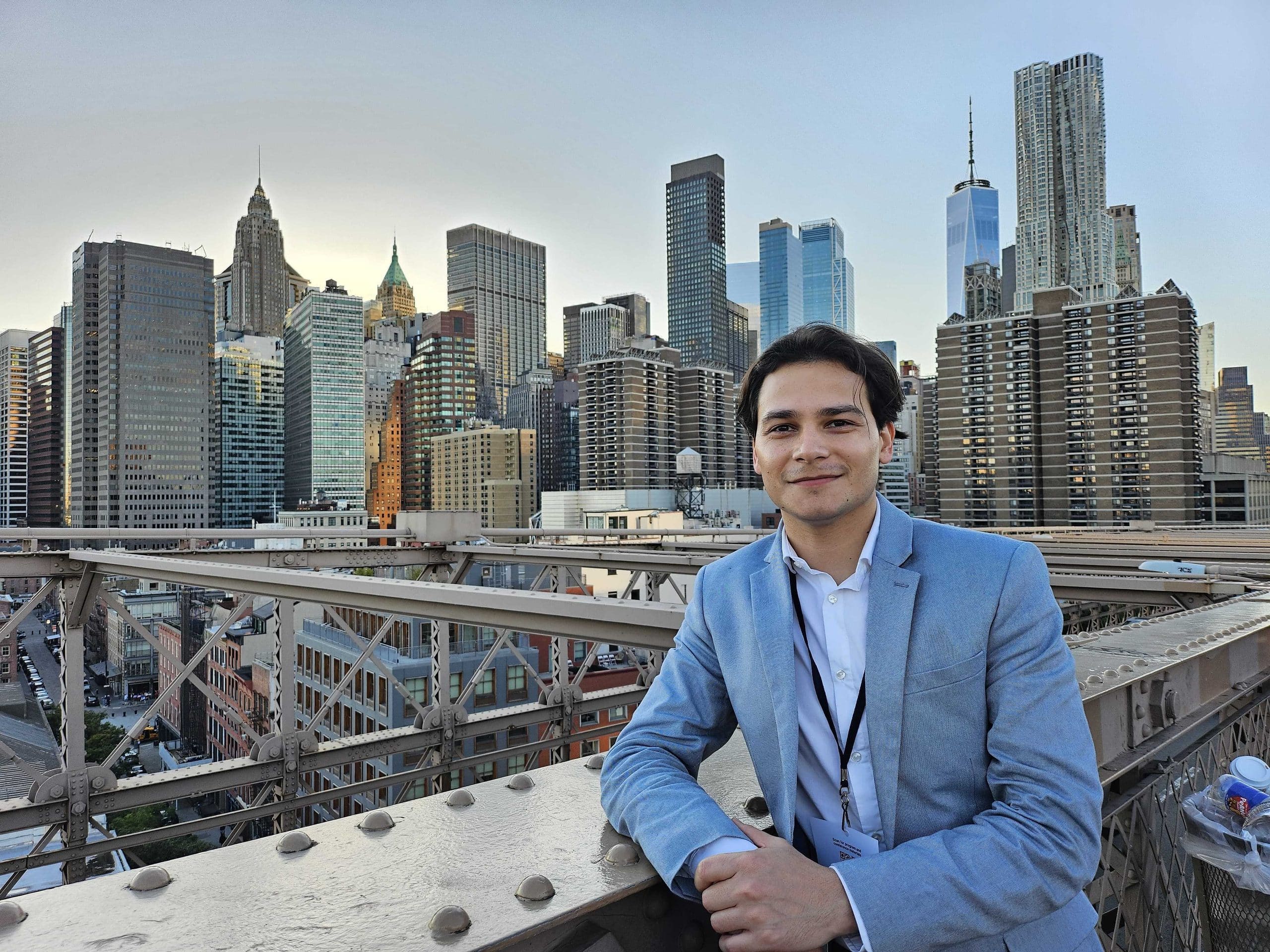
It took Elthon Rivera 11 years to complete a degree program designed to be finished in six. After his expulsion from the National Autonomous University of Nicaragua (or UNAN-Managua, its acronym in Spanish) in 2018, he remained out of school and sought a university that would recognize the coursework he had completed in Nicaragua.
University authorities accused him of participating in acts of vandalism, theft, and attacks on the campus. Rivera rejects these allegations and maintains that they are part of the narrative used by the regime to criminalize university students who participated in the 2018 civic protests.
“It was a huge blow to see all my five years of effort destroyed by an unjust expulsion, in which I was also accused of things I didn’t do,” he says.
He was the first person in his immediate family to attend college and had served as a teaching assistant in Medical Physiology. After his expulsion, he spent a year at a private university and completed his fifth year, but the institution refused to enroll him in the internship program for his sixth and final year. Rivera attributes the decision to political pressure on private universities.
The expulsion disrupted his plans to practice medicine, conduct research, and pursue a career in teaching. It also had a financial impact on a family of limited means that had supported his studies for five years.
With the help of a lawyer, he managed to retrieve some of his documents before his access was blocked. Other expelled students were unable to obtain their certificates and were left without proof of the courses they had taken.
Rivera coordinated these efforts with other medical students because he anticipated that the authorities might block access to their academic records. He received his certified transcripts, though not all the documentation he needed.
The certified transcripts allowed him to explore options in Central America and Latin America. In Costa Rica, he had to retake the entrance exam and start medical school from scratch because his credits from UNAN-Managua would not be recognized.
In 2022, he left Nicaragua due to the risk of being detained for his involvement with a scholarship program at Paulo Freire University. That same year, he received a full scholarship in Romania. The university covered his tuition and living expenses and recognized part of his coursework.
A Second Exile in Order to Graduate
The move meant going through a second immigration process. Rivera had just arrived in Costa Rica when he had to be separated from his family once again, learn a new language, and adapt to a different culture—all without time to come to terms with his forced departure from Nicaragua.
Rivera took courses from different academic years simultaneously and spent three years in Romania before graduating as a general practitioner in 2025. “I was basically classmates with every student at the university because I took classes with students from every year,” he recalls.
By the time he received his degree, some of his former classmates had already completed a specialty. He has not yet entered a residency program.
“While I was finishing my medical degree, my colleagues had already graduated as specialists, and others were about to do so. That puts into perspective how far behind I was,” he explains.
Now he wants to combine patient care with research, teaching, and public health. He maintains his connection to Nicaragua, although he no longer considers returning a duty.
“For me, Nicaragua has become an option. I continue to contribute because I want to, but I’ve freed myself from the feeling of being obligated to return,” he says.
More Than Just Earning a Degree
Eloísa Rodríguez arrived in Costa Rica as a refugee with a bachelor’s degree in Business Administration that she had not been able to ratify. In March 2023, she went to Ipen to seek guidance on a scholarship in Romania. The organization helped her prepare the necessary documents, and in October, she traveled to Europe to pursue a master’s degree in Business Administration and Tourism Services at Ștefan cel Mare University in Suceava.
Eloísa learned another language, adapted to a different culture, and coped with being separated from her family. She also encountered a teaching style that demanded greater student participation.
“In Europe, I’ve felt a genuine openness to asking questions, holding different viewpoints, and debating with professors and classmates. Learning isn’t limited to receiving information. Students are expected to analyze, question, and defend their own ideas,” she explains.
She completed her master’s degree in July 2026. The most significant difference, she says, was the freedom to research, disagree, and form her own opinions.
The experience also allowed her to participate in exchange programs and interact with students from different countries. Eloísa does not believe that one system is automatically superior to another, but she emphasizes that in Europe she found teaching methods that foster autonomy, research, and critical thinking.
From Feeling Stuck to Studying in Europe
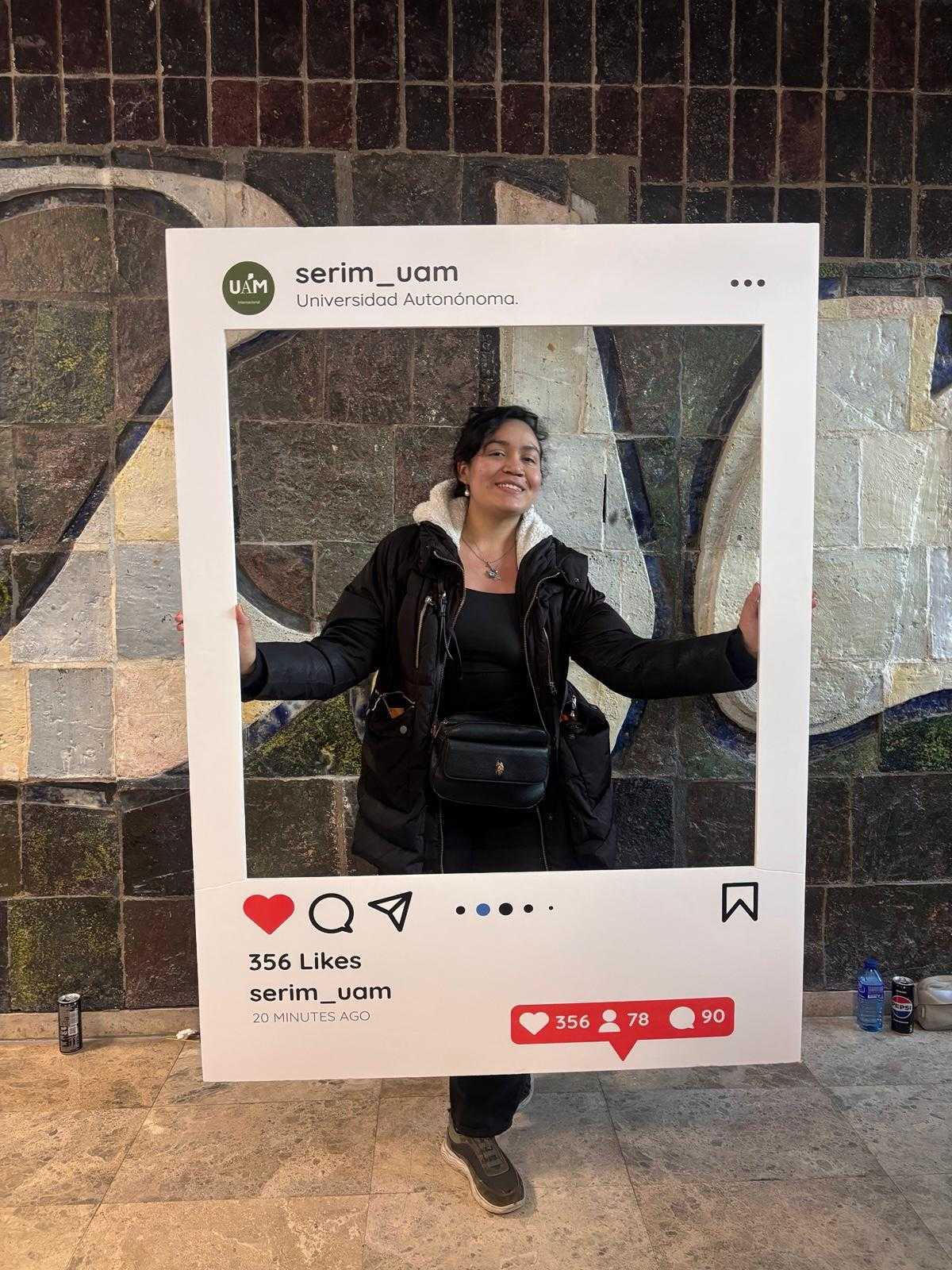
Génesis Lara Corea joined Ipen while living in Costa Rica, when she felt she had hit a career plateau. She took a course on leadership and democratic governance, learned how to write academic essays and opinion pieces, and met young people seeking opportunities in various countries.
She traveled to Romania. There, she won a university competition on sustainability and began exploring a mobility program at the Autonomous University of Madrid.
For Génesis, the support she received was just as important as the opportunity itself. Meeting people who had already gone through the international application process allowed her to understand the requirements and consider options that she had previously viewed as out of reach.
“I was no longer thinking only about finishing my degree, but about building experiences that could strengthen my education,” she says.
Génesis plans to spend the next few years outside Nicaragua. Staying abroad allows her to learn about other educational systems and broaden her professional opportunities, though she doesn’t rule out contributing to her home country.
Barriers Remain in Place Outside Nicaragua
Testimonies collected by DIVERGENTES show that securing a scholarship does not overcome all obstacles. Pursuing a degree also requires obtaining documents, having academic credentials recognized, covering daily expenses, and, in some cases, balancing studies with work.
Alejandra Padilla completed a bachelor’s degree in Political Science, International Relations, and Diplomacy in Nicaragua. In Costa Rica, she completed a specialization in User Experience Design and later earned a master’s degree in Social Media and Corporate Communication in Spain.
Her education has relied on scholarships and free courses. Padilla explains that having her academic credentials recognized can involve expenses for certificates, letters, shipping, and administrative procedures carried out in Nicaragua. “It’s not just about studying. It’s about supporting yourself, working, and taking care of your emotional well-being,” she notes.
The difficulties are mounting for those who were expelled or were unable to retrieve their academic records. Without transcripts, some must start their college careers from scratch. Others cannot even prove that they finished high school.
Padilla points out that in Costa Rica, the costs and length of the bureaucratic process make it difficult to continue their education. In addition to the fees for academic recognition, there are the documents required by Nicaragua, shipping costs, and the need to work while studying. In her case, scholarships and free courses made it possible for her to continue her education.
An Internship to Revive His Aspirations
Young José López Arauz had studied economics at UNAN-Managua, but his academic career took a back seat while he focused on working. A friend recommended that he reach out to the Puentes Initiative for Nicaraguan Students, and he began participating in its training programs.
First, he took a course on democracy. He then enrolled in a journalism training program, where he learned investigative techniques, report writing, and video editing for social media. These skills allowed him to explore a professional field that had interested him since childhood, but in which he had not found opportunities to develop his career in Nicaragua.
The organization also placed him in an internship at a digital media outlet in Costa Rica. José describes it as “the opportunity of a lifetime” because it allowed him to get a firsthand look at the work he’d always wanted to experience and put what he’d learned in the courses into practice.
The experience also changed the way he envisioned his future. “I’ve learned not to give up and to take advantage of the opportunities that come my way, since in Nicaragua that wasn’t possible due to many aspects of life,” he says.
José wants to return to Nicaragua and apply the knowledge he has acquired. Based on his experience, he believes that many young people are interested in continuing their education but need guidance, access to scholarships, and support from the educational, technological, and technical sectors.
Universities under political control
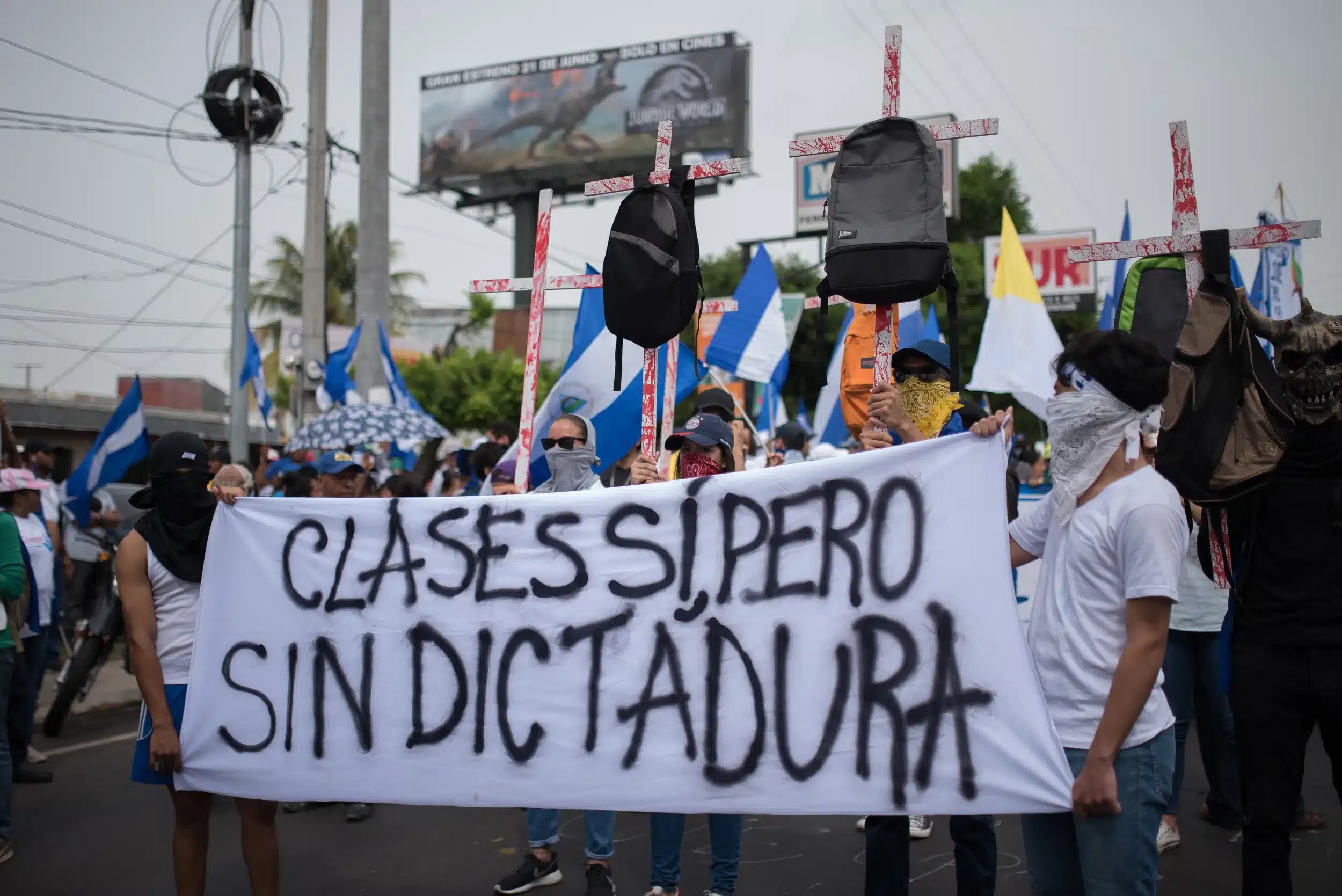
Universities were one of the main centers of mobilization during the 2018 protests. The regime’s response included attacks on campuses, arrests, expulsions, and the persecution of students and faculty. Some young people lost access to their academic records or were unable to obtain certificates to continue their studies.
Control was subsequently extended to the entire higher education system. The regime shut down private universities, confiscated their assets, and established state-run institutions on some of the occupied campuses. A 2024 report by the Central American Research Alliance documented 37 closed higher education institutions and noted that many of their facilities were confiscated.
Among them is the Central American University (or UCA, its acronym in Spanish), which was confiscated in August 2023 after the regime accused it of operating as a “center for terrorism.” The institution served some 8,000 students and housed one of Nicaragua’s leading historical documentation centers.
Following the confiscation, more than 2,000 students applied to continue their studies at the “José Simeón Cañas” Central American University in El Salvador and Rafael Landívar University in Guatemala, according to data provided by both institutions to independent media outlets. Of that total, 660 students ended up enrolling. The Salvadoran university admitted 400, and the Guatemalan university admitted 260, most of them through online programs.
Legal reforms passed since 2022 have also expanded government intervention in universities. The Group of Human Rights Experts on Nicaragua concluded that the sector no longer has independent institutions and described a campaign to silence critical voices and consolidate state control.
This control extends to academic syllabi. Students interviewed by DIVERGENTES have reported assignments on Sandinista leaders and “heroes,” participation in political activities, and partisan content incorporated into various degree programs—even when unrelated to the courses being taken.
Certifying Academic Records to Pursue a Future Abroad
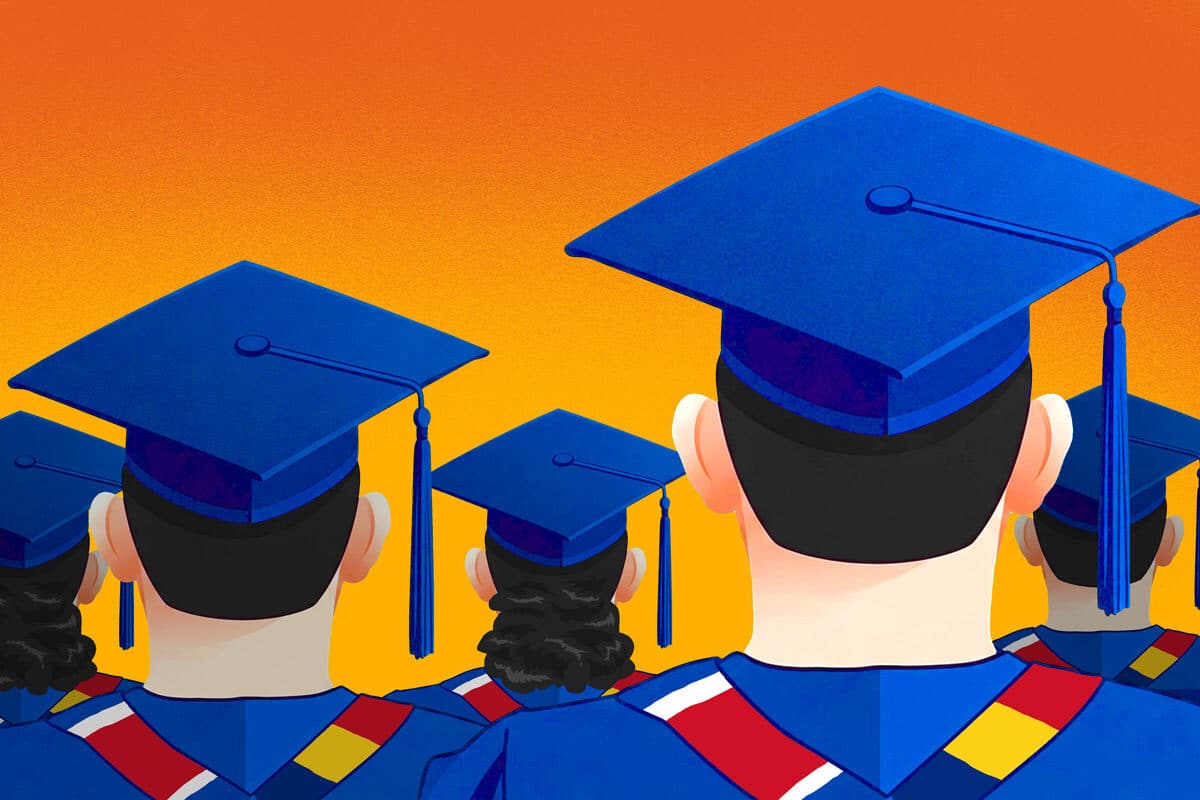
Faced with this situation, more and more young Nicaraguans are having their degrees, diplomas, and certificates apostilled in order to seek educational and professional opportunities abroad. This process certifies the authenticity of the documents and is often essential for admission to a university, validation of academic credentials, or practicing a profession abroad.
In 2025, students and recent graduates formed long lines outside the Ministry of Foreign Affairs to authenticate their documents. Subsequently, the regime replaced in-person service with a digital appointment system. Although there are no official figures to determine how many applications are linked to plans to study or work abroad, even pro-government media reports show a large number of college-age individuals going through the process.
When interviewed by this publication, former university rector Ernesto Medina linked the increase in these applications to the closure of institutions, the loss of autonomy, and the deterioration of education. In his view, state intervention was not limited to imposing authorities or changing the names of universities. It also displaced faculty members, researchers, and professionals with international training.
“That generation of professionals trained in the ’90s and the first two decades of the 21st century has practically disappeared from the national academic scene. The damage caused is incalculable. Nicaragua is falling off the global scientific radar,” Medina warned.
Adrián Meza, an academic and former rector of the confiscated Paulo Freire University, also explained to this publication that the exodus is a result of the educational system imposed by the regime.
“It is a model of doctrine, not a model of science and technology; it is not a model that prepares students for employability. It is a model that prepares them for political docility and submission,” he noted.
The Talent Nicaragua Is Losing

Alejandra Padilla believes that this exodus reduces Nicaragua’s ability to develop new industries, strengthen research, and train the professionals it will need in the future. However, she cautions that this loss cannot become a moral obligation for those who were persecuted or had to rebuild their lives abroad.
“We shouldn’t romanticize the idea that young people absolutely must return to rebuild the country. Diasporas have always played an important role,” she says.
The brain drain begins, in some cases, before graduation. It includes high school graduates seeking their first opportunity to attend college outside Nicaragua, students who transfer, young people forced to repeat coursework, and professionals who cannot practice their trades because they lack recognized credentials.
Some will return. Others will remain in the countries that funded their education, recognized their abilities, and allowed them to grow. Costa Rica, Spain, the United States, and various European nations will benefit from the work and knowledge of young people who once envisioned their future in Nicaragua.
Hanssel Rodríguez, the youngest of those interviewed, remains hopeful of returning. He wants to finish his degree and one day start a business in Nicaragua. For now, he will continue studying in Costa Rica, where he can debate and express his opinions without having to watch every word for fear that a stance opposed to the regime might jeopardize his education.
This report was produced with support from the DW Akademie reporting grant for journalists and the Institute for the Press and Freedom of Expression (IPLEX). The grant is part of the global “Space for Freedom” project of the Hannah Arendt Initiative, sponsored by the German Federal Foreign Office.