
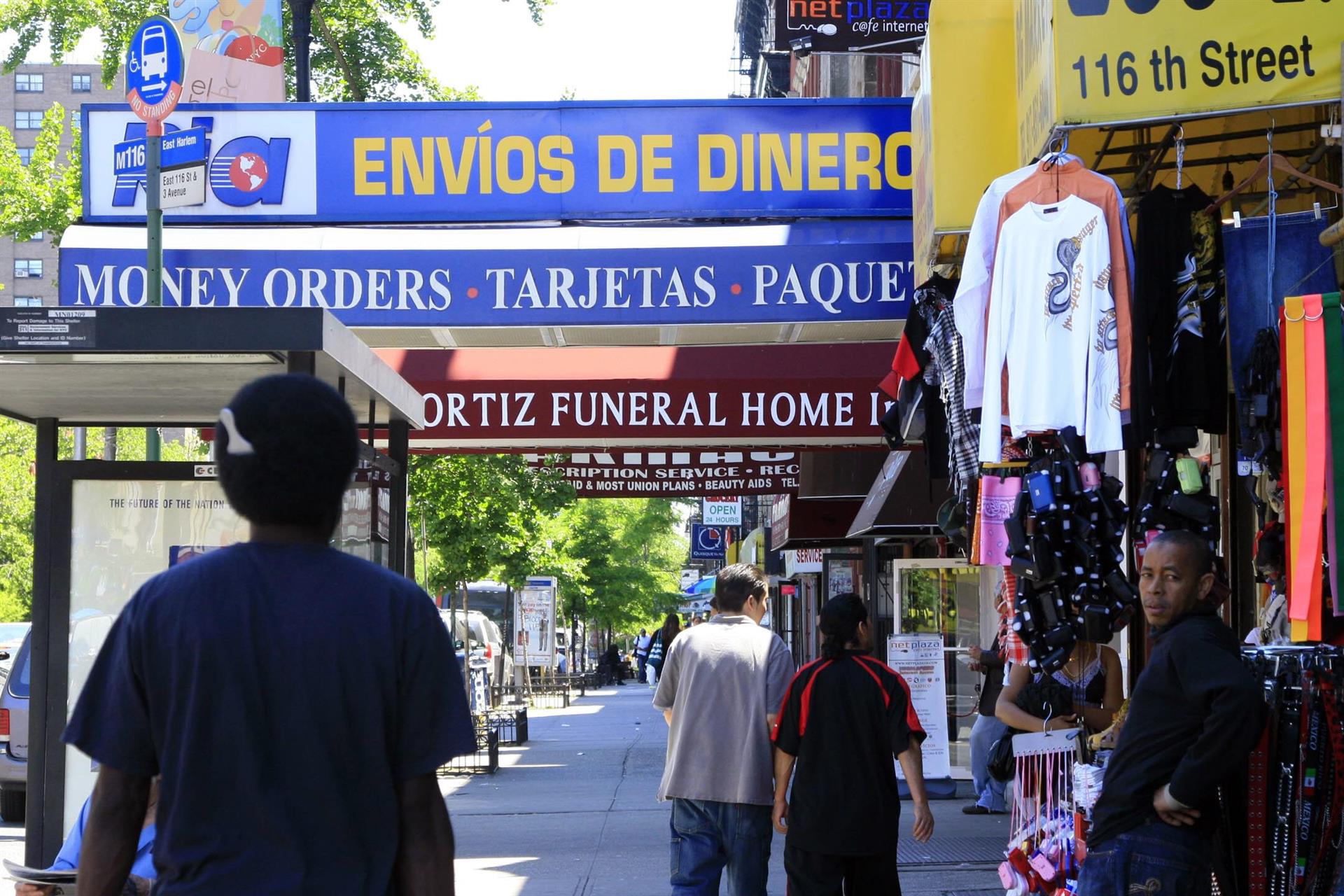
Remittances sent by migrants remain one of Nicaragua’s main sources of income. In 2025, they totaled $6,101 million, and by 2026 they could exceed $6,700 million, according to projections by the Inter-American Dialogue, the renowned Washington-based think tank. However, these funds’ growth contrasts with the limited ability of Nicaraguan families who receive them to save money.
A new report from that organization reveals that only 43.3% of remittance recipients surveyed for the study in Nicaragua say they save—the lowest percentage among four Central American countries. The proportion is 50.3% in Honduras, 54.4% in Guatemala, and 68.4% in El Salvador.
Why do Nicaraguans who receive remittances save less than their neighbors? According to researcher Manuel Orozco, director of the Migration, Remittances & Development Program at the Inter-American Dialogue, the explanation lies primarily in low wages, informal employment, and a high dependence on income sent from abroad.
“The main reason is that it is a country that does not generate enough wealth and income for its workforce,” Orozco explains to DIVERGENTES.
The researcher argues that this situation is not a recent development, but rather the result of economic problems that have accumulated over at least two decades and have been exacerbated by the country’s political conditions.
The finding is part of the report Current Challenges to Remittances and Migration: Options for Central America, published in October 2026. The study includes a survey conducted between February and March of this year among 1,100 remittance recipients in Nicaragua, Honduras, Guatemala, and El Salvador.
Low Wages and Remittances to Cover the Basic Basket of Goods
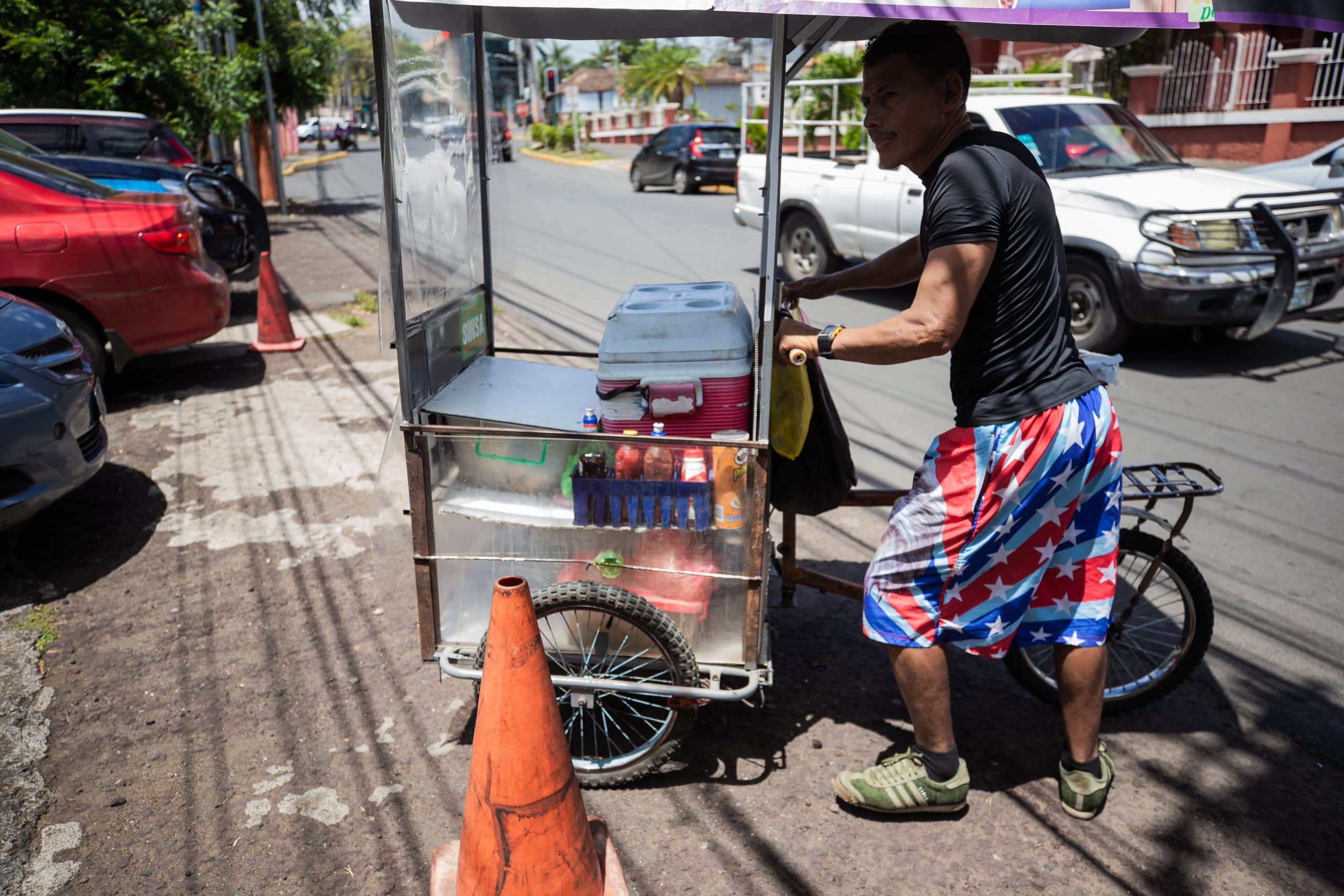
One of the main differences between Nicaragua and its neighbors lies in labor income. According to comparative data provided by Orozco, the average Nicaraguan wage is $285, compared to $425 in Honduras, $514 in El Salvador, and $545 in Guatemala.
The gap is even wider when compared to Costa Rica, where the average wage used in the comparison is $1,045.
In relative terms, a Nicaraguan worker earns, on average, about 67% of the Honduran wage, 55% of the Salvadoran wage, and 52% of the Guatemalan wage. This difference helps explain why remittances account for a larger share of Nicaraguan household income.
The gap between income and expenses is also reflected in the cost of the basic basket of goods. According to the National Institute for Development Information (INIDE), in July 2026, the 53 products that make up the basket cost 21,474 córdobas per month, equivalent to about $587. This amount, calculated for a household of six, is more than double the average individual wage used by Orozco in his comparison.
Adding to this situation is the fact that, according to projections in the Inter-American Dialogue report for 2026, Nicaragua is the country with the greatest economic dependence on remittances among the four Central American countries analyzed.
The researcher estimates that in Nicaragua, dependence on these remittances exceeds 70% of recipient families’ income, while in neighboring countries it ranges from 45% to 60%.
In other words, for many Nicaraguan households, remittances are not a supplementary source of income that can be set aside for investments or savings, but rather a fundamental part of the money available to cover their daily expenses.
The high level of informal employment also limits opportunities to generate stable income. According to figures cited by the researcher, 74% of the workforce and 80% of businesses operate in the informal economy.
“Incomes aren’t enough, and remittances merely provide enough to cover the basic basket of goods. In that sense, there’s little left to save,” he explains.
Orozco points out that Nicaragua has maintained a substantially lower savings rate than its neighbors over the past 20 years, even among those who receive remittances.
Lack of Investment Limits Family Income
The survey results reflect this difference. In Nicaragua, 56.7% of the remittance recipients surveyed said they do not save, compared to 49.7% in Honduras, 45.6% in Guatemala, and 31.6% in El Salvador.
The study measures the percentage of people who report saving, but not how much money each person sets aside or what proportion of their remittances they allocate to that purpose.
Low incomes not only prevent Nicaraguan families from saving; they also force them to resort to credit to meet their needs, rather than investing in assets that would increase their wealth.
Economist Manuel Orozco explains that consumer debt exceeds housing financing. Even those who manage to save face difficulties in raising the money needed to buy a home.
On top of this problem is a lack of confidence in investing in Nicaragua. According to Orozco, political and economic conditions affect private investment, which limits job creation and opportunities for higher wages. With fewer alternatives for generating income, families continue to rely on remittances to cover their expenses.
Warnings From the State Department
These concerns align with warnings from the U.S. State Department. In its recent 2026 Investment Climate Statements, the department cites expropriations without due process, the lack of guarantees for private property, and increased state control as risks for investors.
The document also questions the Foreign Investment Law of 2025, which established a mandatory registry and created a supervisory commission that includes Laureano Ortega Murillo, son of co-presidents Daniel Ortega and Rosario Murillo.
For Orozco, the lack of confidence is holding back investments that could generate more economic opportunities. This contributes to keeping families with incomes too low to save or buy a home, while remittances remain indispensable for making ends meet.
“With the transformation into a state capture system, the difficulty of finding alternative sources of income deepens, and the cost of living rises,” he says.
Remittances Will Grow by Just 2.5% in 2027
The Inter-American Dialogue projects that Nicaragua will receive $6,772 million in remittances in 2026, an 11% increase from the $6,101 million recorded in 2025. For 2027, it estimates remittance inflows of $6,941 million, which would represent growth of just 2.5%.
This sharp slowdown is a cause for concern given Nicaraguan families’ low capacity to save, which leaves them more vulnerable to a potential reduction in their income.
The difference is considerable. While remittances are projected to increase by $671 million in 2026, the increase in 2027 would be $169 million. This means that Nicaragua would continue to receive more money from abroad, but annual growth would be $502 million lower.
The projected slowdown, of 8.5 percentage points, would be the sharpest among the four countries analyzed.
In Honduras, remittance growth is projected to decline from 10.5% in 2026 to 5% in 2027; in Guatemala, from 6% to 3.5%; and in El Salvador, from 4.8% to 2.5%.
The report attributes the regional slowdown to changes in migration flows, including a decline in the number of people sending remittances and an increase in deportations.
Between 2024 and 2026, the estimated number of remittance senders to the four countries is projected to fall from approximately 6.16 million to 5.68 million—a decrease of nearly 480,000 people.
Although the average amount sent per transfer is expected to increase from $386 to $470 during that period, Orozco warns that the reduction in migration flows could limit future growth in remittances.
What Would Happen if Families Received Less Money?
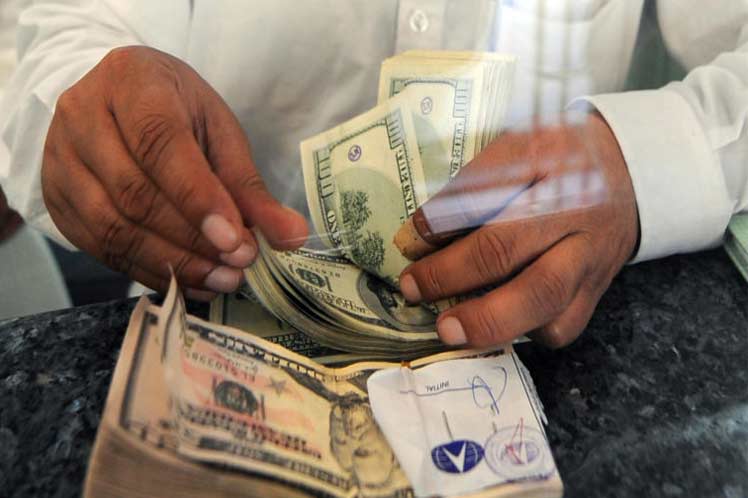
For Orozco, the main risk is Nicaraguan households’ heavy reliance on income sent from abroad.
The researcher estimates that, in a scenario where remittances account for 65% of household income, a 10% decline in those remittances would reduce total household income by about 7%.
Orozco estimates that approximately 1.1 million of Nicaragua’s 1.7 million households depend on remittances and the informal economy—a combination that broadens the impact of any economic downturn.
Furthermore, he believes that a contraction in income could affect a significant portion of the population, including workers in the formal sector, such as employees in free trade zones and public institutions.
He also warns that the difficulties could worsen if a decline in exports and pressures on import costs make the products consumed by families even more expensive.
According to Orozco, the severity of the effects will depend on the measures adopted by the Ortega-Murillo regime to mitigate the risks. However, the researcher questions the government’s capacity to respond under current political conditions and believes that even potential exchange rate adjustments would not prevent the population from feeling the impact of the economic downturn.
Three Years of High Costs, Low Incomes, and Fewer Jobs
Orozco warns that a potential decline in remittances would exacerbate the economic hardships that Nicaraguan families already face, especially those who depend on this income to meet their basic needs.
“The big problem is that this will be the third consecutive year in which thousands of households are facing high costs, low incomes, and fewer jobs,” notes the researcher, who believes that the persistence of these conditions also generates anxiety and uncertainty about families’ economic future.
The Inter-American Dialogue report recommends strengthening formal savings, expanding access to financial services, and facilitating investments in housing and small businesses to reduce the vulnerability of recipient households. However, Orozco argues that in Nicaragua the problem goes beyond access to bank accounts or credit, because labor income is insufficient to cover daily expenses.
For the researcher, the challenge is to create better jobs and higher incomes that reduce dependence on remittances. As long as families need to use a large portion of that money to cover basic necessities, they will have little chance of saving, purchasing a home, or investing in activities that improve their economic situation.