
Just 12 hours after the Sandinista-controlled Parliament passed, in its first legislative session, the constitutional amendment extending the presidential term of Daniel Ortega and Rosario Murillo by one more year, the United States reacted by urging its “international partners to immediately stop business as usual operations with this brutal dictatorship.”
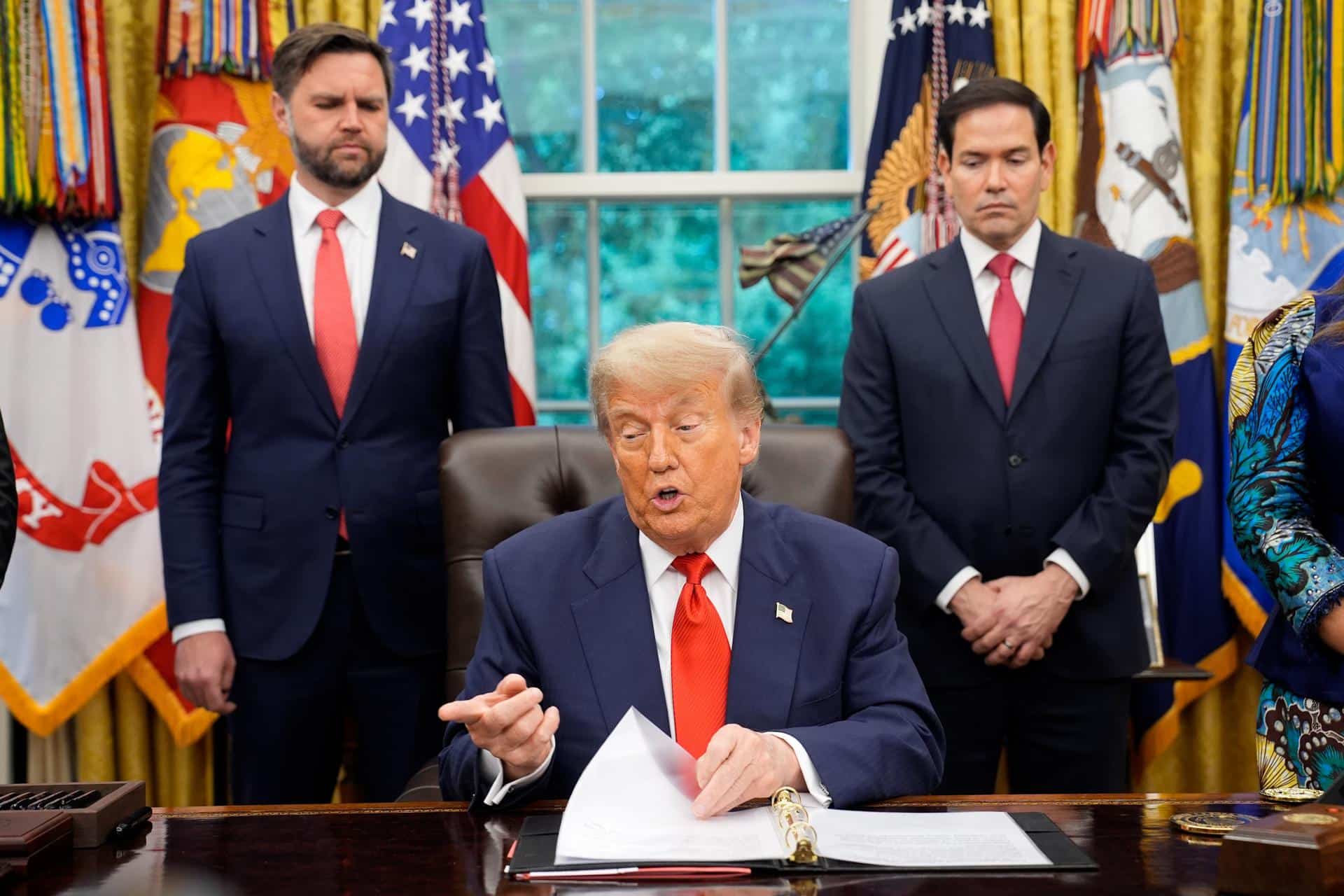
“Murillo and Ortega’s war on democracy threatens our hemisphere’s stability and prosperity,” said Secretary of State Marco Rubio in a statement released on the morning of September 2. “The Trump Administration remains committed to identifying and implementing actions to address the Murillo-Ortega’s violations of human rights, including at forums like the Organization of American States. We stand in support of Nicaraguans’ right to decide their country’s future.”
Rubio argued that the National Assembly, by approving the constitutional amendment, further “eroded the fiction of Nicaragua’s democracy, again rewriting the nation’s constitution to entrench their illegitimate dynasty and indefinitely deprive Nicaraguans of free and fair elections.”
“Dictatorships that deny the unalienable rights of their citizens should not enjoy the same economic or political benefits as governments committed to defending hemispheric peace and security,” Rubio said. “The United States urges international partners to immediately stop business as usual operations with this brutal dictatorship.”
The amendment approved on September 1 extends the terms of “elected officials in Nicaragua” from six to seven years—specifically the term of co-presidents Ortega and Murillo—effectively canceling the presidential election scheduled for November 2026 and postponing the next election until 2028. The amendment must be ratified during the second legislative session, scheduled for January 2027.
The change also elevates to constitutional status mechanisms of political exclusion that were already in practice against opponents. The reform bars anyone whom the regime considers linked to coup attempts, foreign funding, international sanctions, or acts against sovereignty—as well as those classified as “traitors to the homeland”—from seeking public office, running as candidates, or leading political parties. It also grants the Supreme Electoral Council greater powers to dissolve political parties and sanction candidates or party leaders.
Although Ortega had announced on July 19 that there “will be no more elections” in Nicaragua, the reform ultimately does not formally eliminate elections. Instead, it extends Ortega and Murillo’s tenure in power and consolidates an electoral system lacking even the most basic conditions for political competition, in which the regime itself can determine who is eligible to participate.
Rubio also specifically mentioned the Organization of American States (OAS) as one of the forums in which Washington plans to push for action against the regime. This reference comes as the consultation meeting of foreign ministers on Nicaragua—convened by the Permanent Council following Ortega’s threat to end elections—remains pending. Although the United States pressed for the meeting to take place before the amendment’s first approval in Managua, the governments have not yet reached a consensus on a date or on the measures they might adopt against Managua.