
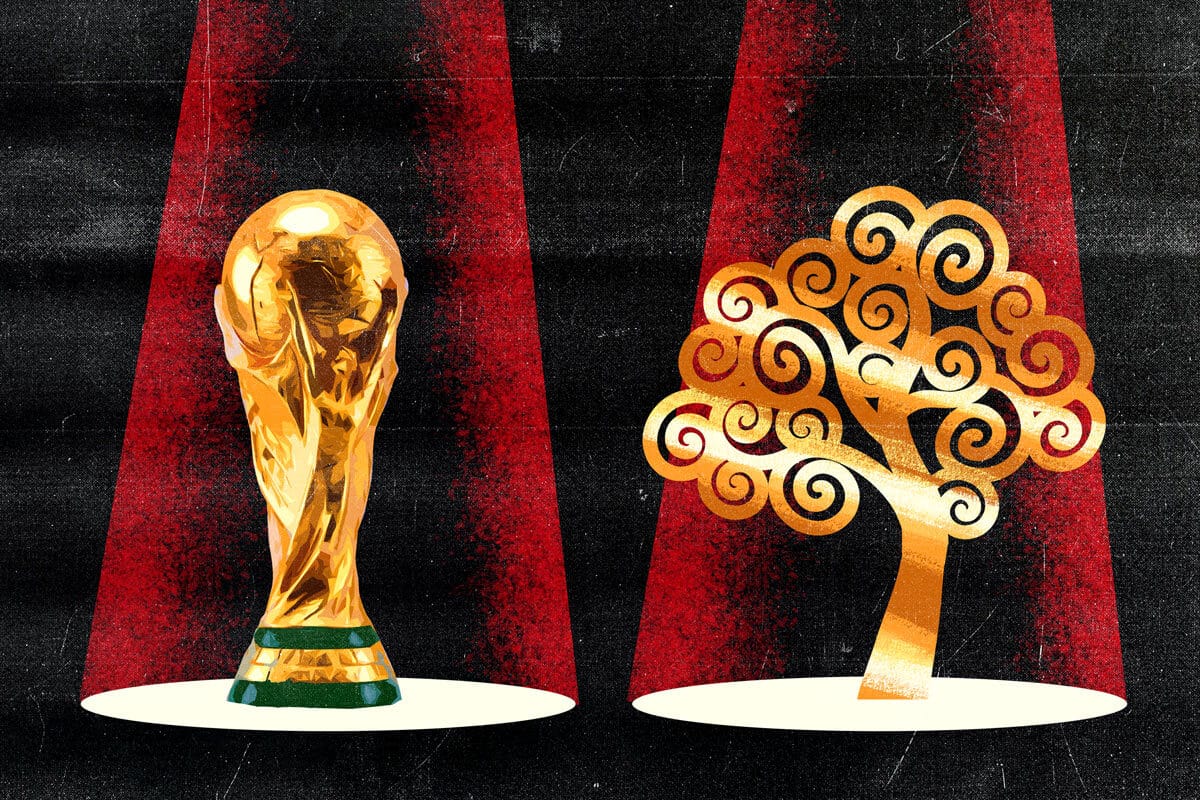
The 2026 World Cup Final could be a thorn in the side of Daniel Ortega and Rosario Murillo’s Sandinista regime. The match that will determine the champion of the world’s most popular sport is scheduled for July 19—the very same day the Sandinista dictatorship celebrates the triumph of the Revolution. Arguing that the date coincides with this holiday, the dictatorship has sought to block large-scale sporting events on that date, under the pretext that “crowds” must be avoided.
According to statements—made anonymously to avoid reprisals from the Sandinista regime—by event organizers and businesspeople involved in this type of activity related to sports events, the authorities notified them in late May of this year “that it is best to avoid staging large-scale shows such as virtual stadiums.” They also explained that the measure could be extended to bars and restaurants, which view the World Cup final as an opportunity to generate additional revenue.
Due to the Sandinista regime’s repression of private business associations, there are no concrete reports from chambers of commerce detailing exact revenue figures for the leisure and services sector specifically attributed to the final of the previous 2022 World Cup, which took place in Qatar.
“We don’t have any further details. The information we received was simply to avoid large gatherings to prevent crowds on that day,” said an event organizer interviewed by DIVERGENTES on condition of anonymity. “It wasn’t a total ban; they were just emphatic about that day—the day of the final,” he added.
The World Cup final will be played at MetLife Stadium in East Rutherford, New Jersey, United States. According to the schedule, the game will kick off at 1:00 p.m. Nicaraguan time and will end—assuming there is no overtime or penalty kicks—around 3:30 p.m., taking into account that the halftime show will last half an hour and feature artists such as Shakira, Madonna, and Coldplay.
However, if the game goes into two 15-minute overtime periods and a penalty shootout, the event could end around 4:30 p.m.—almost on the eve of the annual event organized by the Sandinista regime.
“Even if the final runs over, it wouldn’t even affect the start of the event, because they always begin at 6:00 p.m. That’s why this guidance makes no sense,” said a businessman who requested anonymity for safety reasons.
Concerns Among Bars and Restaurants
The order to refrain from holding large-scale events on the day of the World Cup final has thrown a wrench into the plans of companies responsible for promoting these activities to generate more revenue for the various brands sponsoring these shows. In some cases, the planning for the month includes an asterisk next to July 19, as they hope the measure will be reversed and they’ll be able to organize something for that date.
Although the measure hasn’t yet reached bars and restaurants, expectations are high regarding a possible ban. “The last final was packed because people wanted to watch the final. This space isn’t large, but we arranged the tables so everyone could enjoy the final comfortably. There was no noise or disturbance. Everything went relatively smoothly,” said Francisco, the owner of a sports bar in the capital, who has not yet received the order to cancel any events on July 19.
Another business owner, who also requested anonymity for safety reasons, noted that at least he has not been notified to refrain from doing anything specific on the day of the World Cup final. Since he’s owned this business, he’s never been prohibited from doing anything special for a soccer or baseball game.
“The place is small but comfortable. On the day of the final, I’ll open as usual and show the game on the TVs. I hope my customers come so we can enjoy the final together—all with the order and respect we’ve always had here,” he explained.
There Is Indeed a Directive, but…
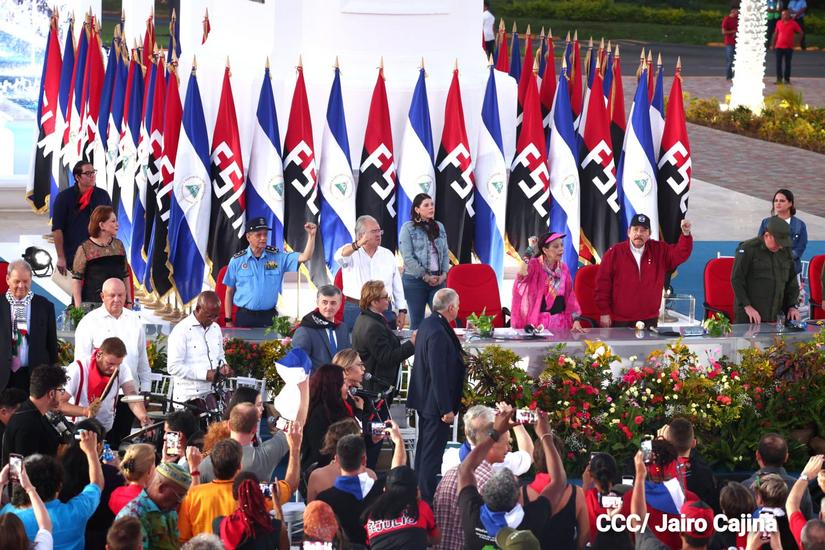
DIVERGENTES made inquiries about this ban on holding mass events on the day of the final with sources linked to the National Police. At least two of the sources confirmed that there is indeed a directive to avoid large gatherings on July 19 that have not been approved by the institution. However, they explained that this type of directive has always been enforced on the day commemorating the triumph of the revolution for security reasons.
In Nicaragua, every July 19 has been a holiday since 1980, and the police implement a national security plan that includes strict regulations and road closures in Managua, especially around Plaza La Fe and Plaza de la Revolución. These measures range from traffic control, a ban on weapons, and explosive detection to emergency response on the day of the event.
Another source linked to the Ministry of the Interior (or Mint, its acronym in Spanish) explained to this media outlet that it is normal to implement measures to manage crowds on the day of the final itself for protection and security reasons; however, the source believes that if these measures are fully implemented, they will not affect businesses and will ensure police security.