

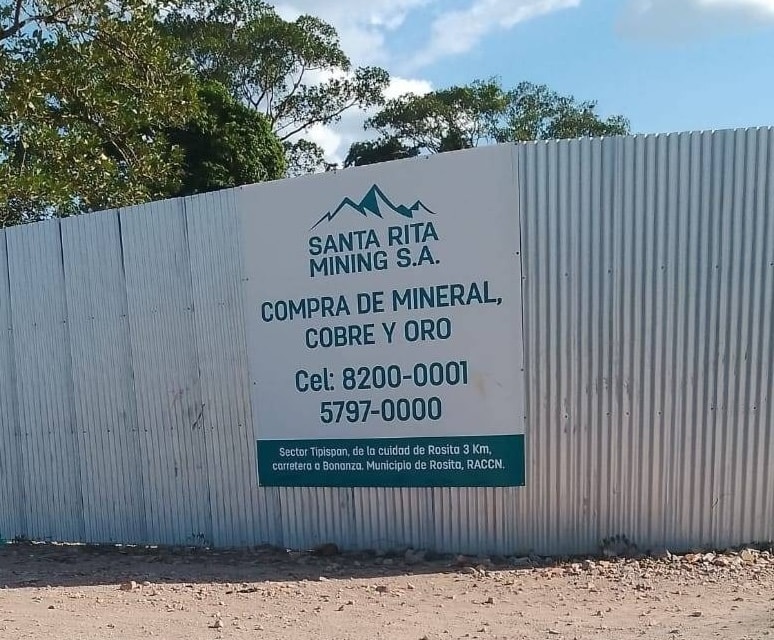
Three kilometers from the town center of Rosita, in the area known as Tipispan, the company Sant Rita Mining S.A. posted a sign next to a dirt road with a message directed at “güiriseros” (local artisanal gold miners): they purchase minerals—“copper and gold”—and the contact numbers are “8200-0001 and 5797-0000.”
For several months now, specifically since January 2026, the name of this mining company has echoed around Rosita, one of the three municipalities that make up Nicaragua’s historic Mining Triangle. According to reports gathered by DIVERGENTES, they not only started buying minerals, but also evicting residents of the 19 de Julio neighborhood without court orders.
Earlier, in March 2019, Daniel Ortega and Rosario Murillo’s regime granted this company a concession covering 3,356.90 hectares. The plot is known as “Rosita D” and is larger than half of Manhattan. The concession spans a big portion of the town center of Rosita and Mayangna Tuahka territory. Although Santa Rita Mining S.A. is one of the 15 Chinese mining companies with the fewest concession plots in Nicaragua, business is not bad at all.
Between December 2024 and November 2025, Santa Rita Mining S.A. exported $9.47 million worth of metals and arsenic to China. This company is the best example of Chinese expansion in Nicaragua’s mining sector, where they have found not only a vast vein of diverse minerals but also a series of legal and administrative advantages that have made these Asian companies the country’s leading mining players, displacing the Canadian, Colombian, and British transnational corporations that once dominated the gold industry.
China’s voracity is not limited to Nicaraguan gold. Beyond their mining concessions, these companies illegally purchase the ore from “güiriseros,” and their interests extend to a wide range of strategic minerals: copper, cobalt, molybdenum, uranium, tungsten, lead, zinc, chromium, and nickel. According to the Fundación del Río, this results in a greater allocation of concessions.
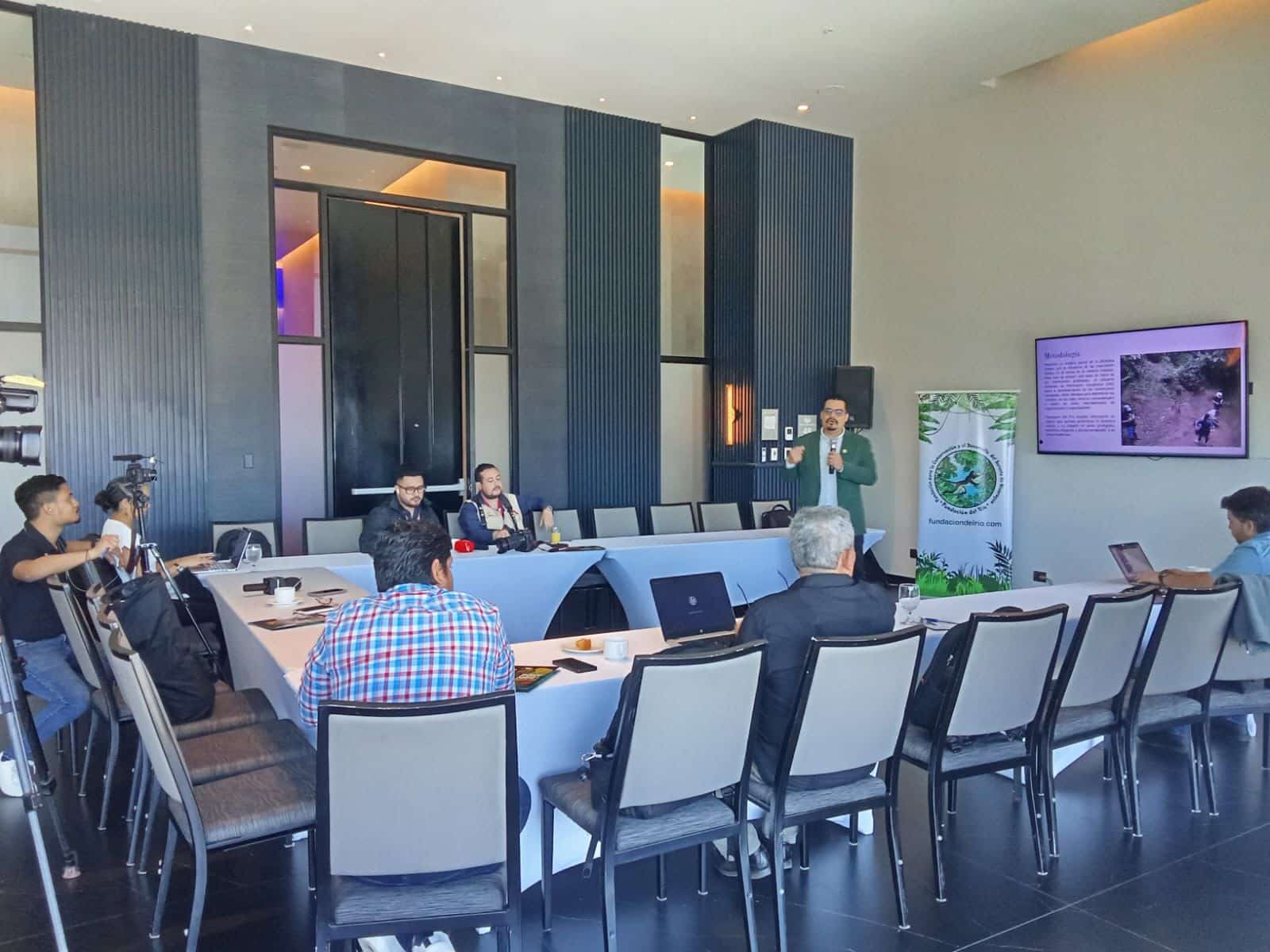
Amaru Ruiz, director of the Fundación del Río, has spent years tracking the mining industry in Nicaragua, one of the country’s main export sectors and a field where interests move fortunes and laws alike. In a report presented in March 2026, the Fundación del Río reveals that Chinese companies already control 1,013,225.44 hectares of land through mining concessions in Nicaragua, equivalent to 8.5% of the national territory.
The growth in concessions granted to Chinese companies has been exponential. There are 15 mining companies operating in the country, with 71 plots granted. Among them, Thomas Metal Sociedad Anónima stands out, with 228,272.98 hectares under concession—the largest area ever granted to a single Chinese entity in Nicaragua’s mining history.
A tailored, golden deal
In order to pave the way for these 15 Chinese companies, the Ortega-Murillo regime has amended at least five laws between 2022 and 2025. The first was Law No. 1128 of 2022, which allowed the regime to circumvent U.S. Treasury Department sanctions against the Nicaraguan Mining Company and to continue granting concessions in partnership with Chinese capital.
In 2024, a legislative decree stripped municipalities of the authority to issue environmental rulings on mining concessions, centralizing that power in Managua without the knowledge of local mayors.
In May 2025, another decree eliminated the requirement to submit environmental impact studies and abolished public consultations for obtaining mining permits. Finally, the Border Territory Act of August 2025 sought to legalize Chinese mining concessions granted in border areas retroactively, because the concessionaires never met the requirements set forth in the repealed regulation.
Two months later, the Law on Environmental Conservation Areas and Sustainable Development opened protected areas to mining for the first time, allowing two concessions to be granted to Thomas Metal within the Indio Maíz Biological Reserve and the Río San Juan Wildlife Refuge.
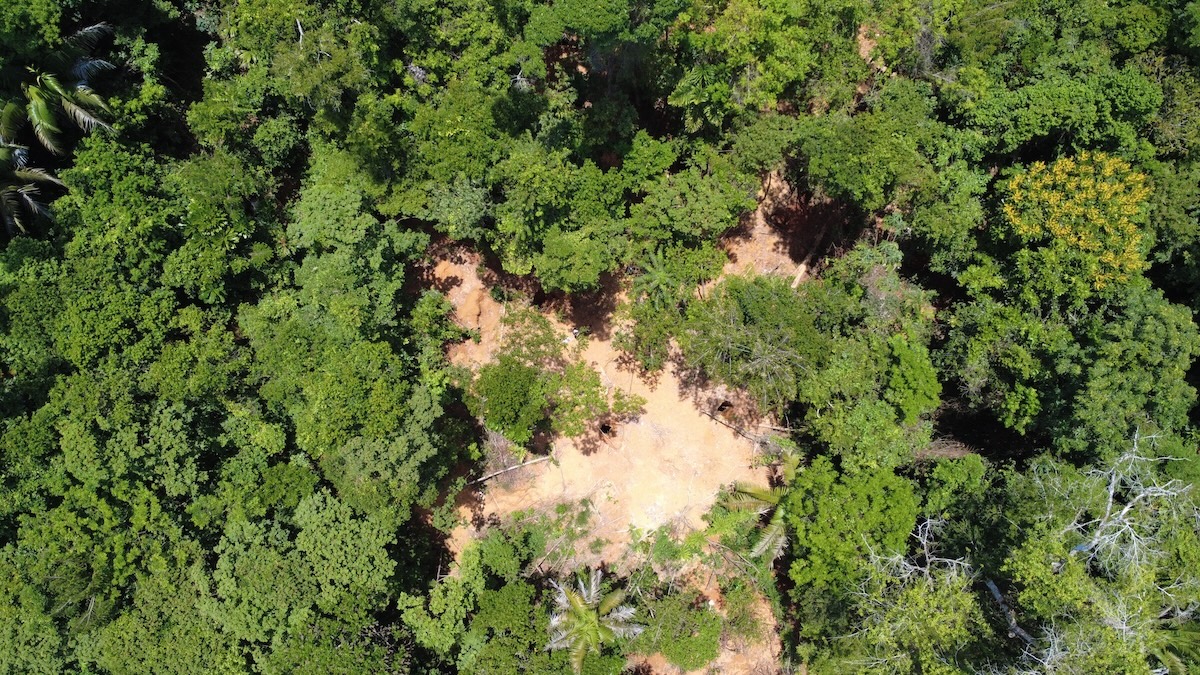
One of these plots, known as La Guinea, is located less than 300 meters (0.19 miles) from the San Juan River border, and within it operates the illegal mining camp of Las Cruces, where between 3,000 and 4,000 people process gold illegally extracted from Crucitas and Conchudita, on Costa Rican territory.
DIVERGENTES documented in a previous report how the “güiriseros” cross the Río San Juan for 30 córdobas—less than a dollar in Nicaragua’s official exchange rate—in order to dig on Costa Rican soil, while the Costa Rican Public Force attempts to contain them in an unequal battle that caused friction between Managua and San José. President Rodrigo Chaves raised the issue with President Donald Trump during a meeting at his Mar-a-Lago estate in Florida, amid growing U.S. pressure on the Nicaraguan presidential couple.
Despite being in Washington’s crosshairs, the Ortega-Murillo regime remains defiant on the issue of mining. In September 2025, Nicaragua’s Attorney General’s Office confiscated the mining processing plant of BHMB Mining, a U.S.- and British-owned company with an investment of approximately $80 million, and transferred it to Zhong Fu Development, one of the Chinese companies with the largest number of hectares under concession in the country. Its manager, Baruch Rapoport, alleged that two companies orchestrated the confiscation: Zhong Fu and Santa Rita Mining.
Richard Grenell, a close associate of President Donal Trump, called the expropriation “outrageous” and warned that this case would not go unnoticed by Washington. A bill is being drafted in the U.S. Congress to penalize Nicaraguan gold in international markets.
A binational problem
On February 28, 2026, following a request from Costa Rican Security Minister Mario Zamora, the foreign ministers of Costa Rica and Nicaragua met at the Peñas Blancas border crossing to agree on a joint strategy against illegal gold mining along their shared border. It was the first meeting at that level since 2019.
The agreements included coordination of police operatives on both sides of the border, information sharing, and bimonthly meetings between the senior security officials. But the director of the Fundación del Río warns that these agreements are insufficient as long as the Las Cruces camp remains open. “Illegal activity on the Costa Rican side will not stop unless illegal activity in the area of Las Cruces is shut down.’
However, shutting down this operation is harder than it seems, because the illegal industry has roots on both sides of the border. The gold mined in Crucitas and Conchudita not only crosses the San Juan River into Las Cruces: some of it also travels inland to Costa Rica, specifically to Abangares, in Guanacaste, a canton with an artisanal mining tradition that has become what Costa Rican investigative journalism describes as a “laundromat” for illegal gold from Crucitas, where smuggling networks transport the raw sediment to process, buy, sell, and export it.
Lack of transparency of Chinese companies
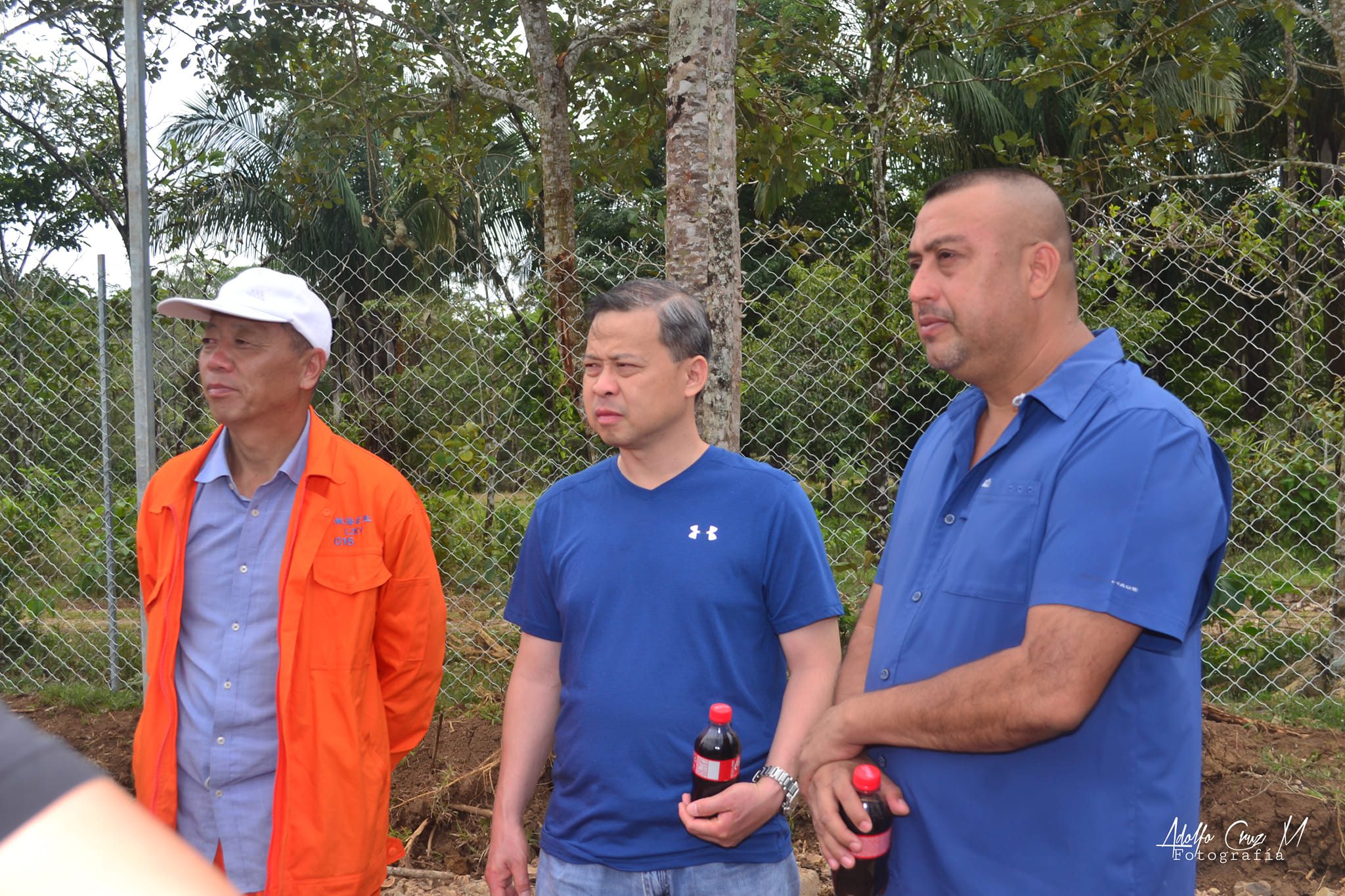
Lack of transparency is another constant feature of these Chinese companies, as documented by the Fundación del Río in its March 2026 report. Most are newly established, have no website, are not listed on stock exchanges, and have not provided evidence of experience in the national or international mining sectors.
The Fundación del Río contacted the Embassy of the People’s Republic of China in Costa Rica and Nicaragua to inquire about the ties between these companies and the Chinese government, but received no response. As of this report’s publication date, none of these companies or its representatives had been mentioned in official Chinese government documents or statements.
Records from Nicaragua’s Financial Analysis Unit confirm this pattern: of the 16 Chinese companies identified by the Fundación del Río, only four are registered, 11 are not registered, and one has already had its registration revoked. As Amaru Ruiz summarizes: “We need to understand who is behind these Chinese mining companies, who the shareholders are, and where the capital is coming from, because this information has been withheld from the public opinion and the Nicaraguan people.”
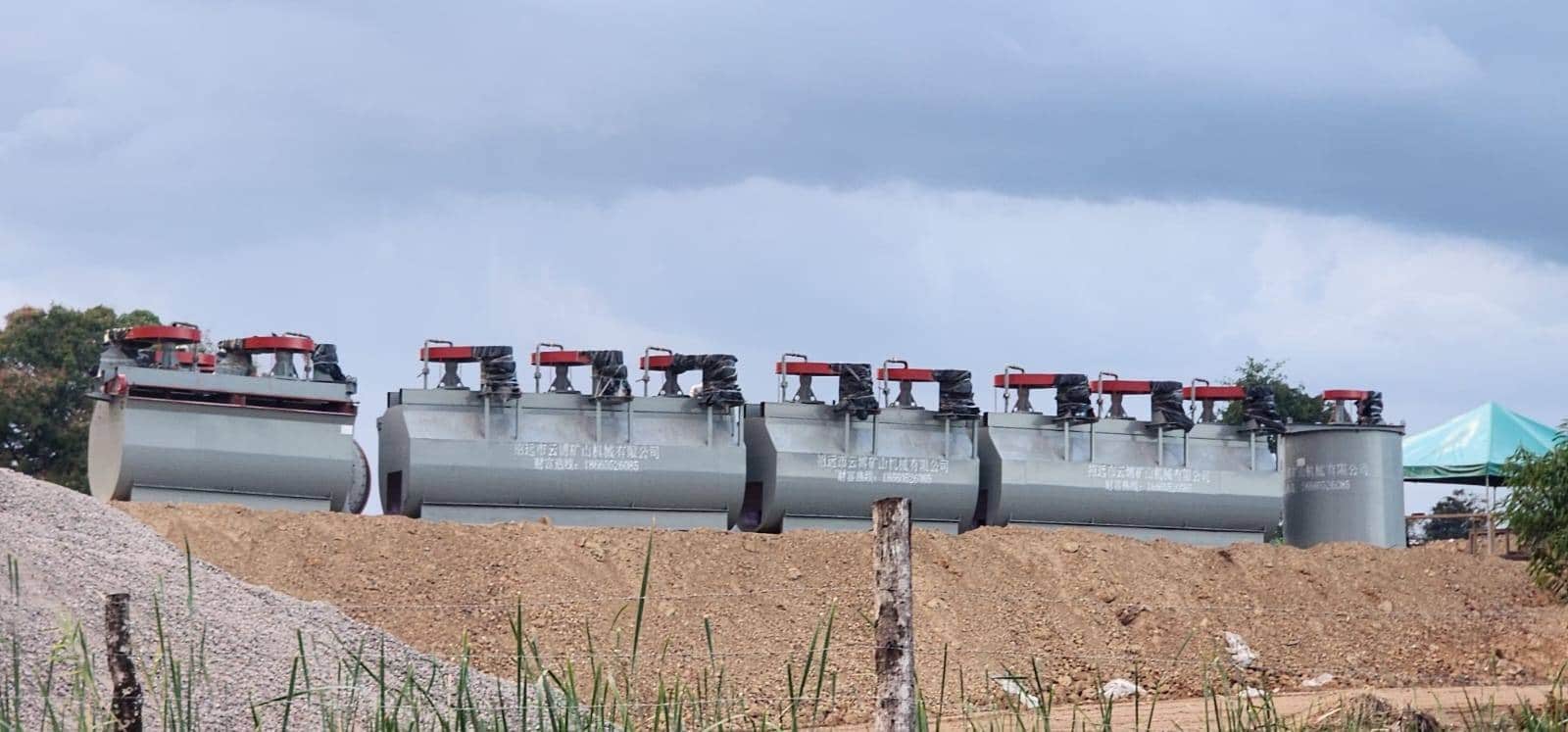
When the “stolen gold” scandal in Crucitas made this issue explode in the Costa Rican press, China’s ambassador to Costa Rica, Wang Xiaoyao, came out to deny any responsibility. She described the accusations as “media propaganda without any communication or verification” and claimed that the mining companies operating in Nicaragua are “mainly from Canada or other countries.” The diplomat omitted a fact that the Fundación del Río documented weeks earlier: 15 Chinese companies control 8.5% of Nicaraguan territory through mining concessions, all of them approved since Nicaragua and China reestablished diplomatic relations in December 2021.
This lack of transparency also has specific and measurable economic consequences. The Fundación del Río, drawing on the United Nations international trade database, identified a discrepancy that is hardly accidental: between 2021 and 2024, Nicaragua reported copper exports to China totaling $17.1 million, but China recorded import from Nicaragua of $49.2 million under the same trade category.
The $32.1 million difference points to intentional under-invoicing. According to Ruiz, this is a way to hide the true value of the mineral concentrates leaving the country, reduce export tax payments, and conceal which strategic metals are actually being shipped to China.
Blue Owl, the law firm behind Chinese companies
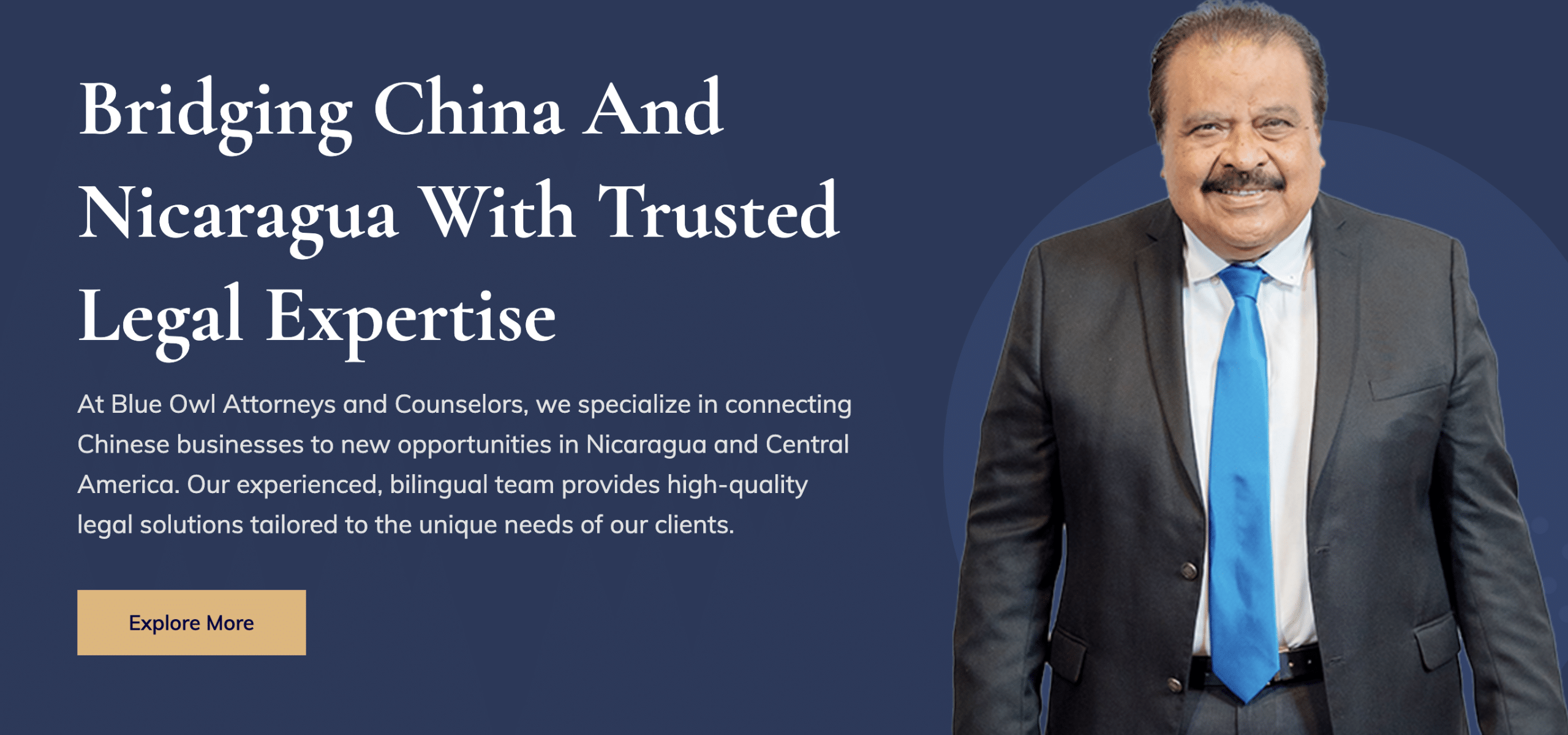
Behind all this legal framework there is a law firm that has played a key role in China’s mining expansion in Nicaragua, according to the Fundación del Río. It is called “Blue Owl Attorneys and Counselors” and its slogan states that they are “building bridges for global growth.”
The firm is located in the Altamira residential area in Managua, across from Los Cocos roundabout, and appears frequently as legal counsel in the transactions published in La Gaceta, the official state gazette, managing at least 11 mining concessions for companies such as Zhong Fu Development, Waslala Mine, and others linked to Chinese capital.
On their website, the firm’s founder, attorney Léster Matus Tamariz, describes the firm’s mission as follows: “To build a bridge between international business and the vibrant opportunities in Nicaragua and Central America,” with a special emphasis on “clients from distant markets such as Asia.”
Matus Tamariz is a former member of the Sandinista People’s Army, treasurer of the Association of Nicaraguan Excombatants, and a former legal officer at The National Institute of Technology (or Inatec, its acronym in Spanish); he was also involved in land disputes along the road to Bluefields before becoming the main legal liaison between Chinese capital and the Sandinista regime. He is accompanied by attorneys Grethel Jahosca Castillo and Stephanie de los Ángeles Pérez Borge, who also regularly appear as legal representatives in these Chinese transactions.
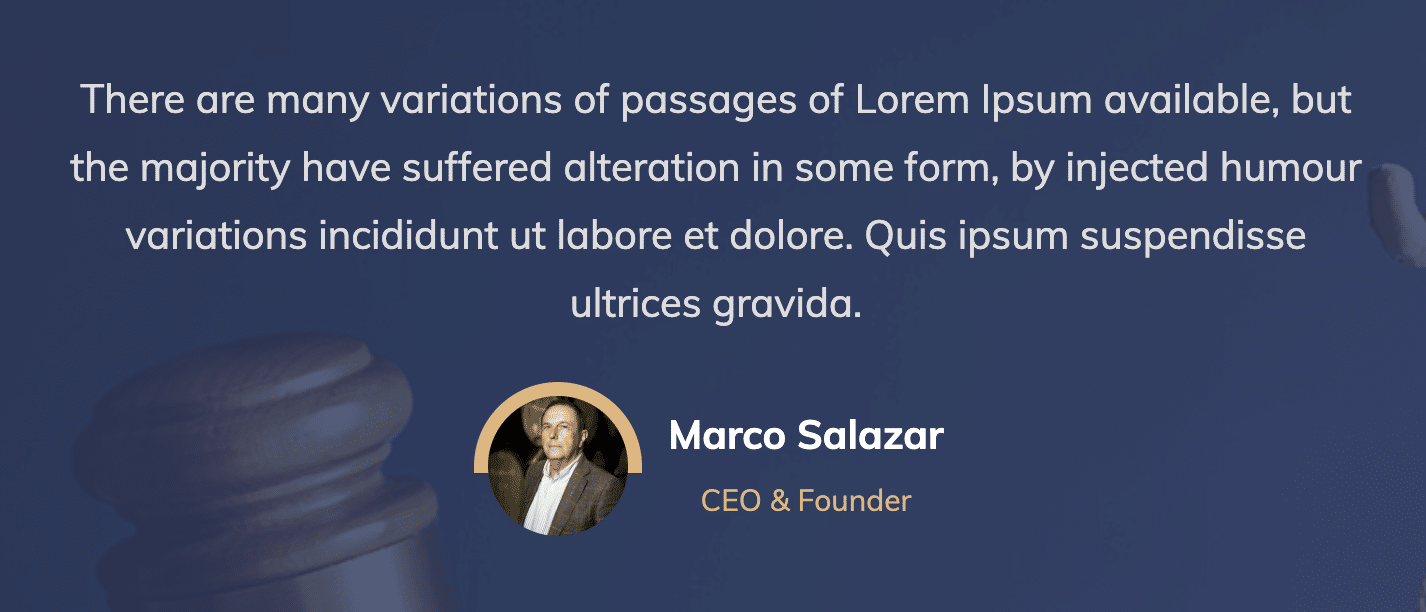
The Blue Owl website also has a detail that speaks louder than any mission statement. In the section featuring testimonials from satisfied customers—where other firms showcase their success stories—the text “Lorem ipsum” appears, that fictional placeholder text that web designers use temporarily while they gather actual content.
A firm that claims to operate with “integrity and transparency” has not found clients willing to give testimony. The CEO is listed as María Calero, though the Fundación del Río notes that there are no further traces of her in public records. And to top it all off, the site lists three people simultaneously as “CEO and Founder”: María Calero, Marco Salazar, and Omar Castillo, without further explanation.
The impact on indigenous communities
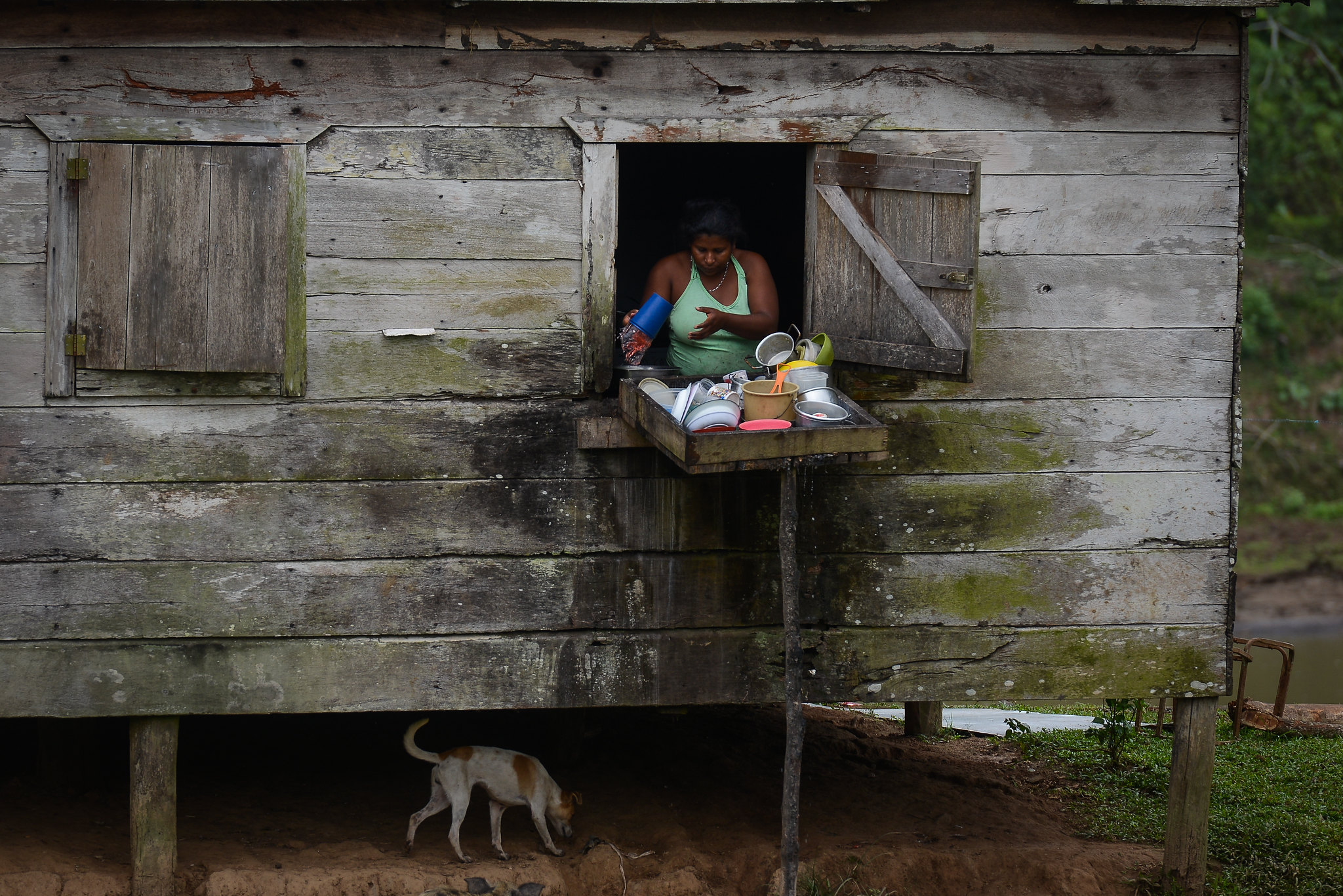
Perhaps the heaviest toll that this mining boom takes—and has historically taken—is on indigenous peoples. The Fundación del Río documented that at least 29 of the 71 mining concessions granted to Chinese companies are located on Indigenous and Afro-descendant Territories in the Northern Caribbean region of Nicaragua.
In every case, the co-presidential regime violated the international standards of Free, Prior, and Informed Consultation required by Articles 15, 16, 17, and 18 of Law 445, the legislation that in theory protects the territorial rights of these peoples. Some communities do not even know that their territory was granted as a concession. They were not asked. They were not notified. Simply, one day a Chinese company showed up with machinery and the regime’s endorsement, as happened in Rosita.
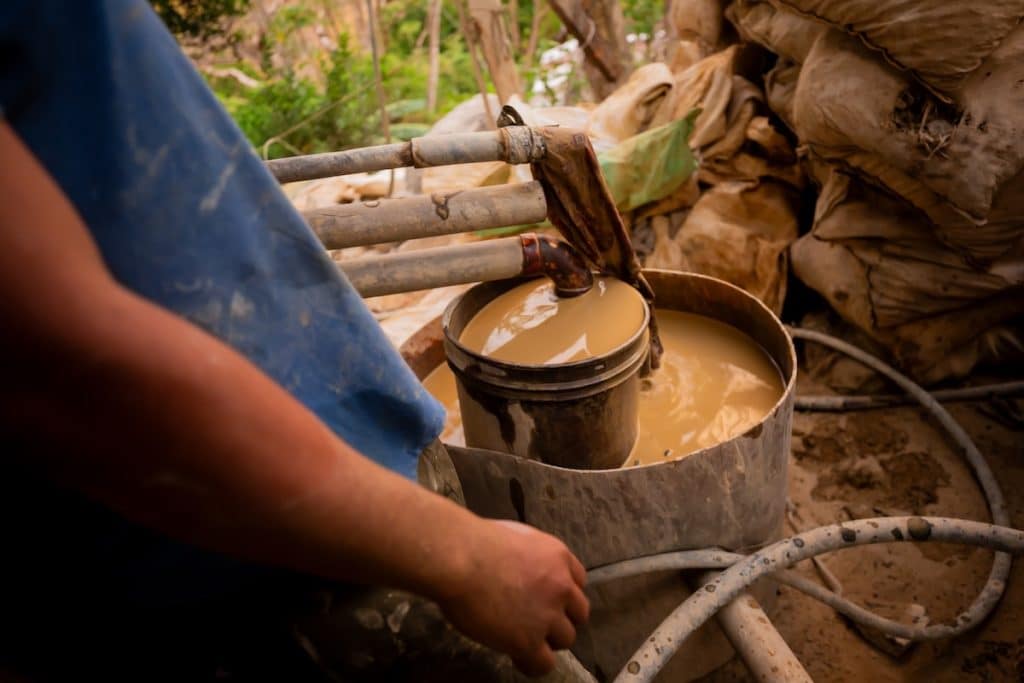
The dispossession is not merely territorial. It is also a series of violations of international treaties that Nicaragua signed and now disregards. By allowing mining activity within the Indio Maíz Biological Reserve, the regime is violating the Convention on Biological Diversity. By granting concessions within the Río San Juan Wildlife Refuge, it violates the Ramsar Convention, which protects that wetland as a site of international importance. And by tolerating the massive use of mercury in Chinese concessions, where artisanal mining operates with this highly toxic metal, it violates the Minamata Convention, whose central objective is precisely to eliminate this component from extractive processes.
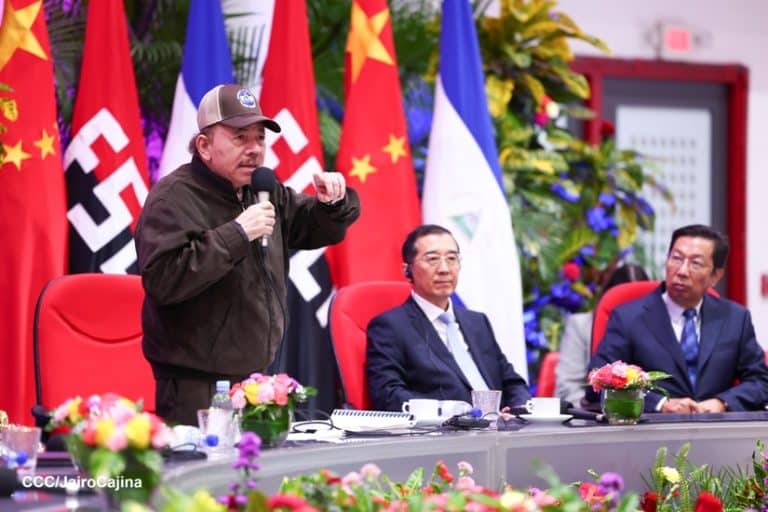
The Fundación del Río also points out another irony: the Ortega-Murillo regime is also violating Chapter 15 of the Free Trade Agreement it signed with China in 2024. That chapter, dedicated to the environment and trade, explicitly states that neither party may weaken or repeal its environmental laws to promote trade or investment. By repealing the Protected Areas Regulation, eliminating environmental impact studies, and abolishing public consultations to favor Chinese mining companies, Ortega and Murillo violated the treaty with the very partner to whom they handed over the country.
That entire network—those 15 companies with no reliable public face, those five tailor-made laws, that law firm with its “Lorem ipsum” testimonials, that gold being under-invoiced on its way to China—all trace back to a starting point as simple as the sign nailed next to a dirt road in Rosita. “Purchase of ore, copper, and gold,” reads the sign for Santa Rita Mining S.A., along with two phone numbers. It is the visible face of a plunder operating on a national scale, shielded by decrees and silenced by those who should be preventing it. In Nicaragua, the gold China struck isn’t just underground. It is in plain sight.