
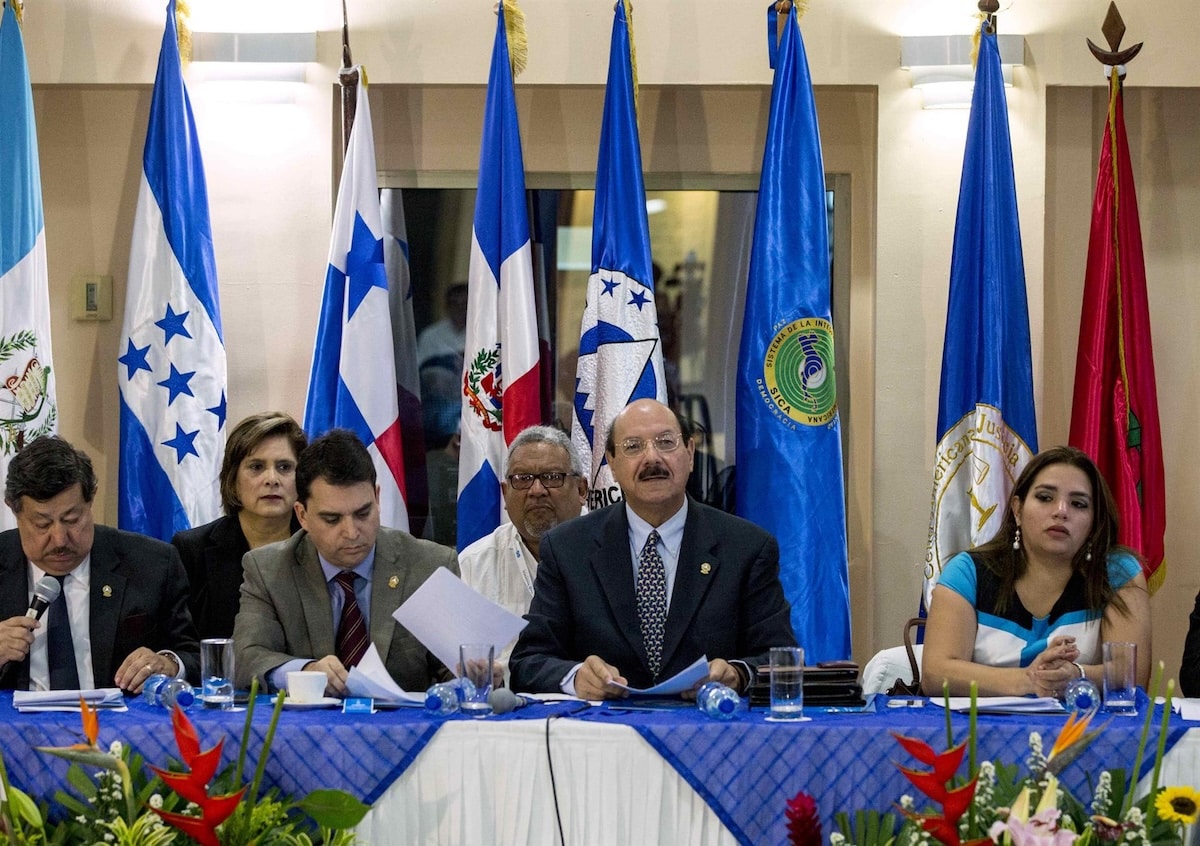
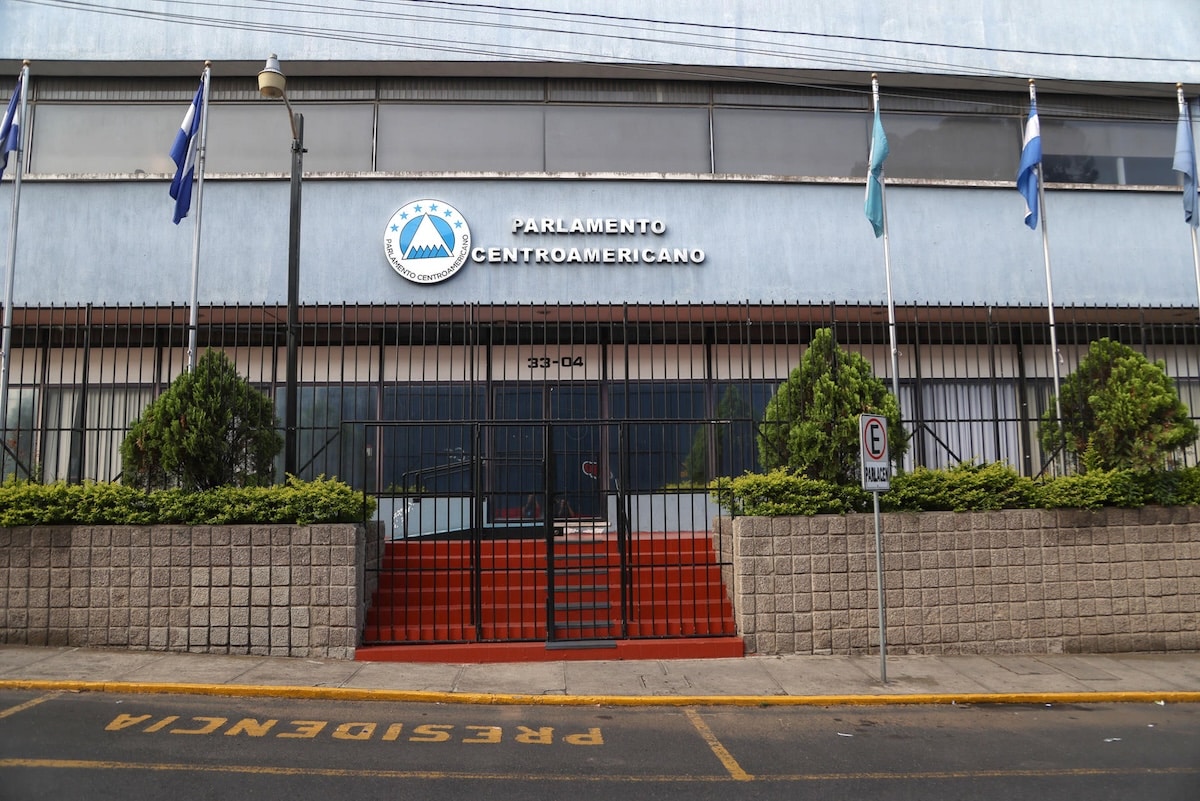
The Central American Parliament (Parlacen), once conceived as a regional integration body, was transformed over many years by Daniel Ortega and Rosario Murillo’s regime into a comfortable refuge for former officials of dubious loyalty, recycled politicians, and, in some cases, figures implicated in corruption scandals. What should have been a forum for debate and legislation was transformed into a welcoming haven where political dinosaurs retire with immunity, a salary in dollars, and a diplomatic passport.
Among the Nicaraguan figures appointed to Parlacen over the past decade are Jaime Morales Carazo, Yamileth Bonilla, José Antonio Alvarado Correa, María Jacaranda Fernández Mejía, and Doris María Tijerino Haslam.
But that all came to an end on October 3, when the co-presidential regime withdrew Nicaragua from Parlacen, denouncing the organization’s Constitutive Treaty “effective immediately.” The decision drew attention because Parlacen was one of the few international organizations where the Sandinistas still retained significant political influence and from which, in recent years, they had even pushed for the inclusion of China and Russia as observers.
The withdrawal notice was sent one day after the foreign ministers of the Americas adopted, on October 2, a new resolution on Nicaragua within the framework of the Organization of American States (OAS).
The resolution agreed to establish a ministerial group tasked with monitoring the situation in Nicaragua and promoting contacts with the country’s authorities and various sectors, in addition to insisting on the restoration of civil liberties and the release of those imprisoned for political reasons.
However, given the short time span between the two decisions, it cannot be concluded that the OAS resolution caused Parlacen’s withdrawal.
The decision also comes amid a regional political realignment that has brought many Central American governments closer to Washington and to several of the hemispheric priorities of President Donald Trump’s Administration.
Panama has openly joined regional initiatives led by the United States; Honduras has strengthened its ties with Washington; and Guatemala, despite differences on other issues, has deepened bilateral cooperation and supported the OAS resolution on Nicaragua adopted on October 2.
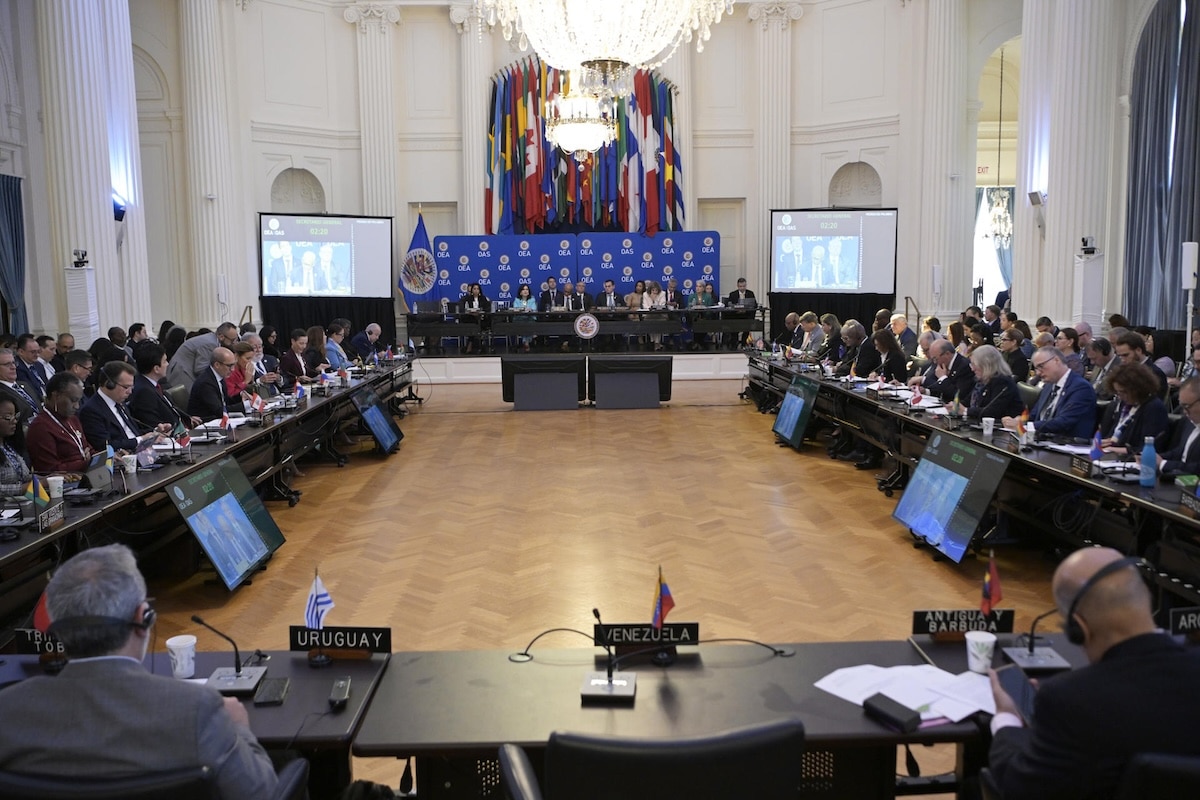
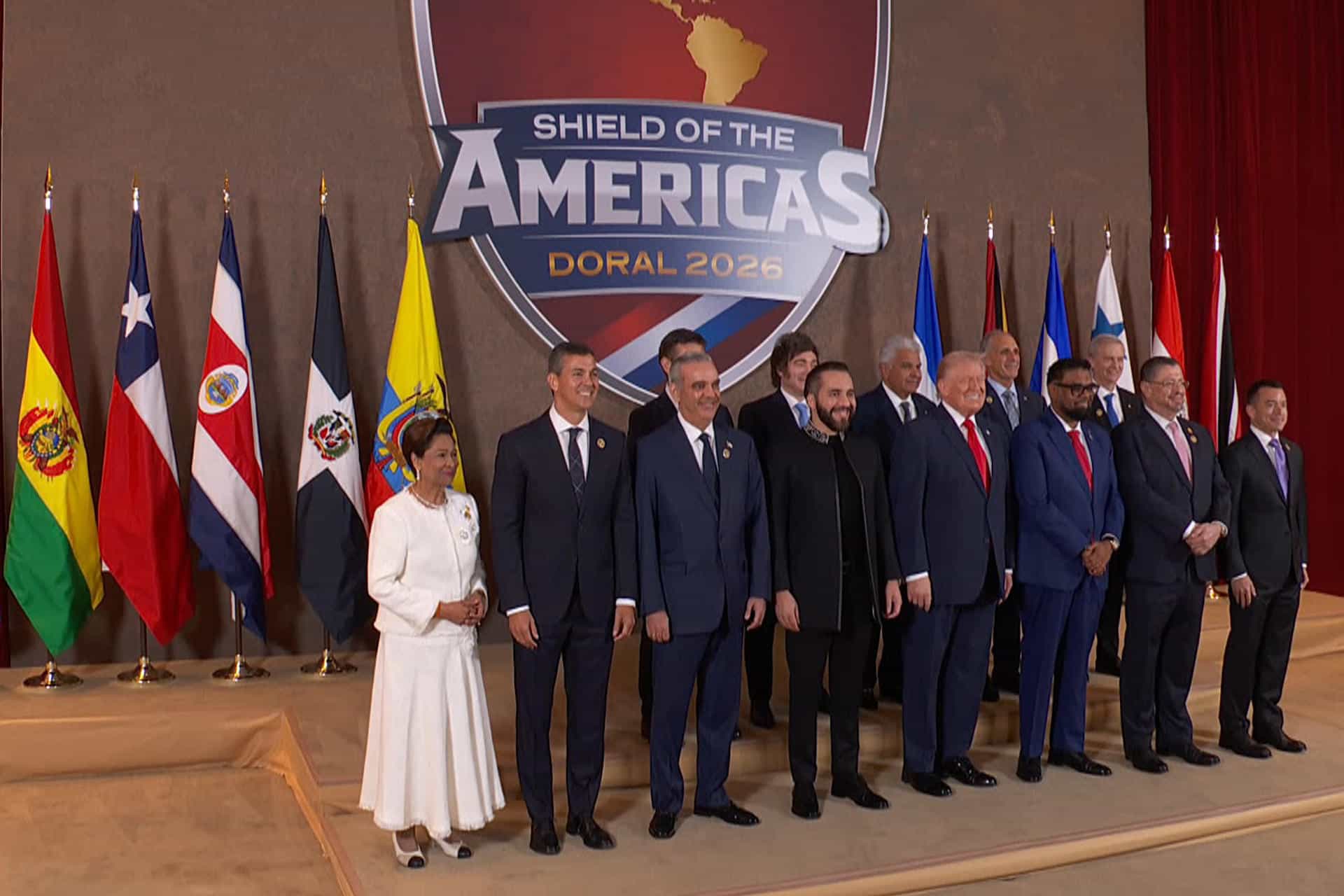
Costa Rica also strengthened its political and security ties with Washington and even co-sponsored the resolution on Nicaragua, while Laura Fernández’s government has—more recently—advocated for a coordinated regional response to the democratic decline in its northern neighbor. El Salvador, for its part, maintains one of the closest relationships in the region with the White House: Nayib Bukele has become a key ally of Trump, particularly regarding the immigration and security policies promoted by the Republican president.
According to sources consulted by DIVERGENTES, the U.S. strategy to increase pressure on the Ortega-Murillo regime does not rely solely on new measures adopted directly by Washington, but also on getting other governments in the hemisphere to exert political and diplomatic pressure on the Ortega-Murillo regime. Within that strategy, Central American countries carry particular weight due to their geographic proximity, their economic and political ties, and the fact that they share regional integration institutions with Nicaragua.
The resolution adopted by the OAS is aimed precisely at greater collective action. The agreed-upon mechanism allows for maintaining diplomatic contacts, assessing progress, and recommending new actions regarding Managua, rather than limiting the regional response to periodic statements. The OAS General Secretariat described the agreement as a process to advance diplomatic efforts, evaluate results, and determine new measures.
In this context, Nicaragua’s continued membership in Parlacen kept open another avenue through which this regional pressure could extend to Central America. Although the organization does not have an automatic mechanism to sanction or suspend a state for a breakdown of democratic order, its Constitutive Treaty assigns it functions related to the consolidation of democratic, pluralistic, and participatory systems and to respect for human rights.
In addition, the Parliament may adopt resolutions, proposals, and recommendations on matters of regional interest and forward them to the other institutions of the Central American Integration System (or SICA, its acronym in Spanish). These statements are forwarded to the Pro Tempore Presidency and the General Secretariat of the system for inclusion on the agendas of the relevant bodies.
Nor could Nicaragua single-handedly block a resolution passed by the plenary. As a general rule, decisions of the Plenary Assembly are adopted with the affirmative vote of half plus one of the deputies present.
Thus, although remaining in Parlacen did not expose the Ortega-Murillo regime to immediate sanctions, it did keep it within a regional forum at a time when the Central American political landscape has become less favorable for Managua and Washington seeks to shift some of the pressure toward countries closer to Nicaragua. A majority in the Parliament could discuss Nicaragua’s situation, approve statements, and forward them to other Central American bodies. The withdrawal now also cuts off that institutional channel of pressure.
Amid this shifting landscape, DIVERGENTES offers an account of the Nicaraguan politicians who have found in Parlacen a “golden retreat—or recycling.”
Guillermo Daniel Ortega Reyes, the Evangelical Pastor Who Supported the Dictatorship
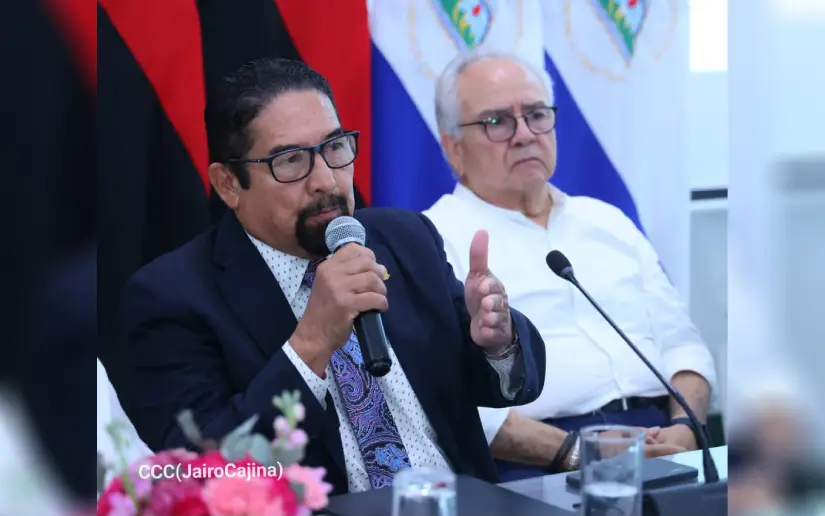
He is known for sharing the same first and last name as the Nicaraguan dictator, but his political significance lies in the fact that he is a 68-year-old evangelical pastor who leads the Christian Unity Party (or PUC, its initials in Spanish), a religious political organization that is part of the United Alliance for a Triumphant Nicaragua (Alianza Unida Nicaragua Triunfa) of the Sandinista National Liberation Front (or FSLN, its initials in Spanish), led by the Ortega-Murillo family. Ortega Reyes has been an evangelical pastor for more than 20 years.
He has held a seat as a representative in Parlacen since 2007, when the Sandinista leader returned to the Nicaraguan presidency. In other words, he served in that position for 19 consecutive years. Between 2021 and 2022, he was elected president of the regional body, and on other occasions, he has coordinated the Parlacen delegation to the Euro-Latin American Parliamentary Assembly (Eurolat).
On August 6 of this year, representing the Parlacen delegation, Ortega Reyes expressed his support for the constitutional reforms promoted by the dictatorship: “On behalf of all members of the Nicaraguan Parliamentary Caucus to the Central American Parliament, I wish to express our firm support for the reform of the Constitution. We are convinced that these constitutional changes and adjustments are necessary and important to strengthen our institutions and guarantee genuine, transparent, and reliable electoral processes.”
José Antonio Zepeda, the Teacher and Labor Union Leader Who Became a Congressman
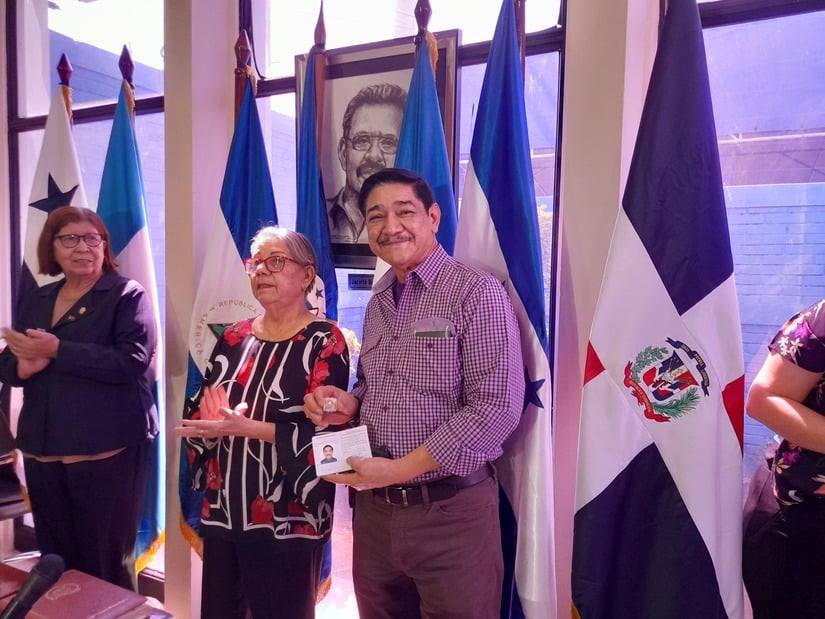
He is a teacher by profession. Since 1996, he has been the leader of the National Association of Educators of Nicaragua (or Anden, its acronym in Spanish), a labor union that spearheaded protests against the Liberal governments. However, when Ortega returned to power, Zepeda was elected to the National Assembly (serving from 2007 to 2022), and his criticism ceased. In the Nicaraguan Parliament, he chaired the Committee on Education, Culture, Sports, and Media.
For the past four years, he has served as a representative in Parlacen. When he received his credentials from the Central American body in 2022, he stated: “We will follow the instructions of President Commander Daniel Ortega Saavedra to strengthen Central American integration, friendship, and relations with all countries based on respect, understanding, and cooperation.”
Currently, Zepeda was a member of the regional body’s Committee on Macroeconomics and Finance.
Jaime Morales Carazo, the Former Comrade Brought to Heel
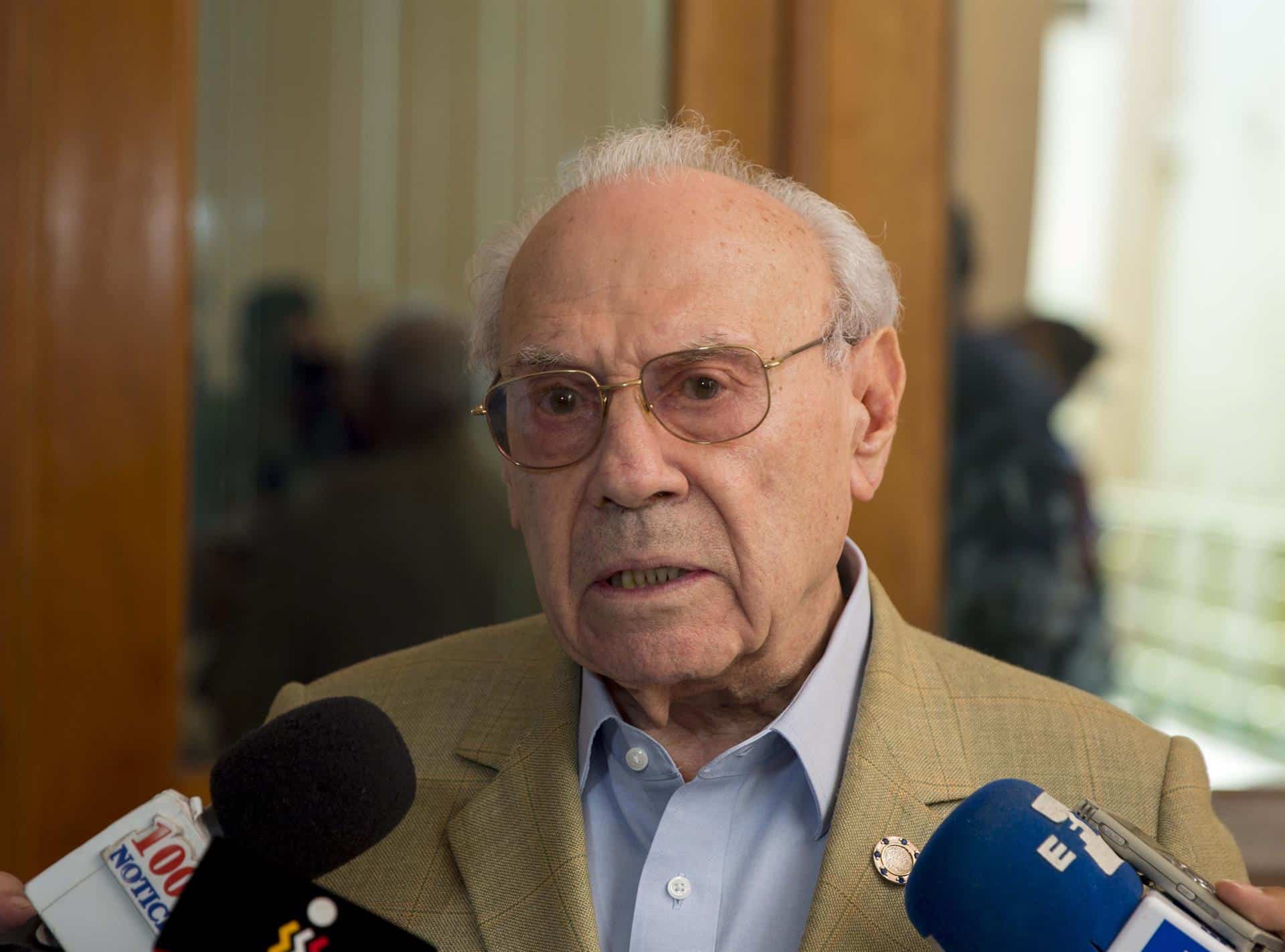
A former financier for the Contras and a negotiator of the Peace Accords in the ’80s, Jaime Morales Carazo was for decades a symbol of anti-Sandinismo. That is why it surprised many when, in 2006, he agreed to be Ortega’s vice-presidential running mate, in an electoral ticket that sealed a pragmatic alliance between old enemies. Morales Carazo served as vice president from 2007 to 2012, and far from confronting the emerging authoritarian regime, he went along with the course set by Ortega.
Upon completing his term, he was immediately sworn in as a representative to Parlacen on February 24, 2012, in a ceremony in Guatemala, in accordance with a provision of the Treaty of Tegucigalpa reserved for outgoing vice presidents.
His presence in that low-profile forum was seen as part of the Ortega regime’s process of institutional co-optation: a politician who had historically been part of the opposition, now transformed into a loyal figure, rewarded with a comfortable and uneventful diplomatic retirement.
Yamileth Bonilla: Quotas and Shadows in Liberalism
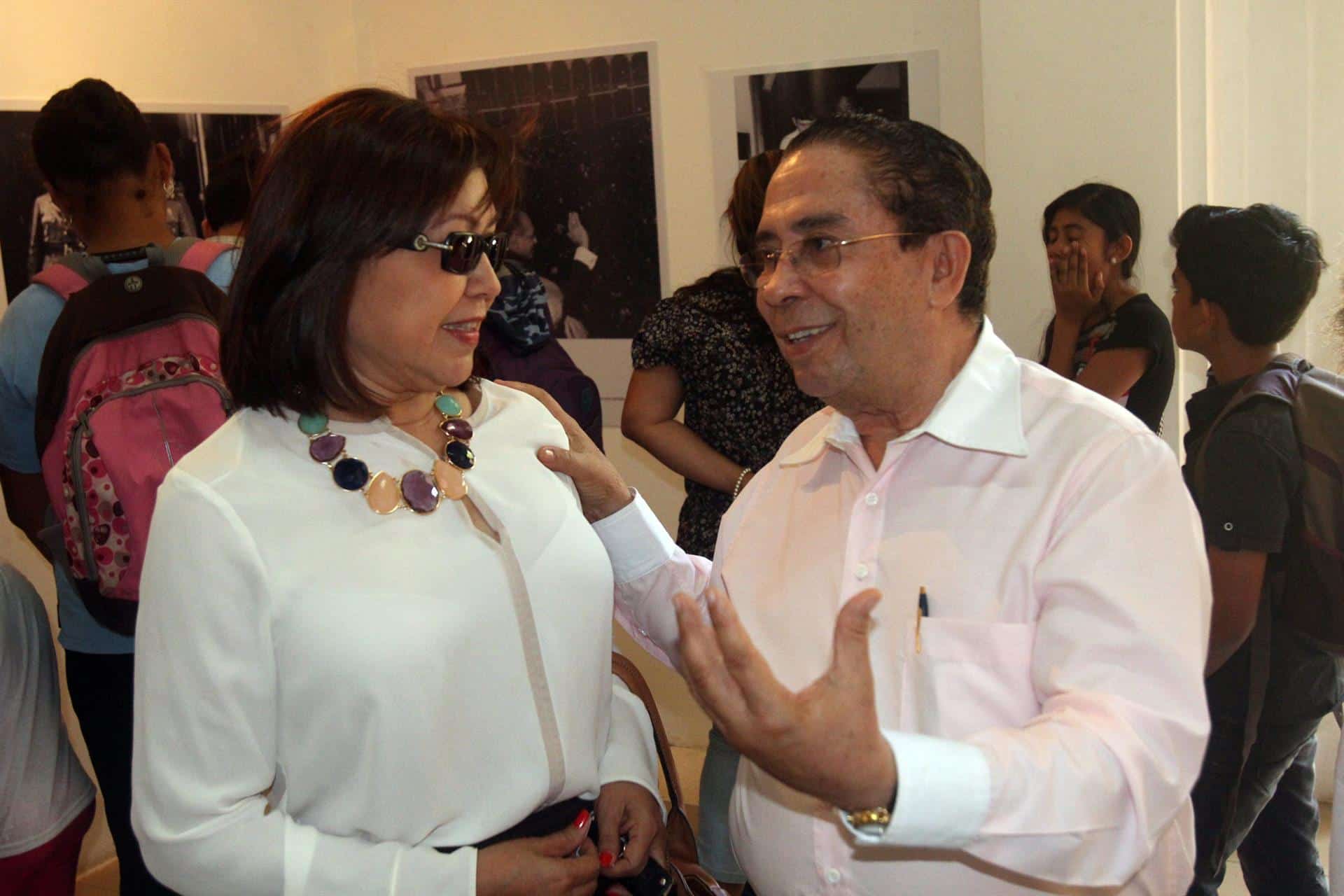
Yamileth Bonilla, a former PLC representative, was appointed to Parlacen amid internal disputes within the Liberal Party and shady negotiations with the Ortega camp. Her appointment was part of the backroom deals that have characterized the collaborationist parties: in exchange for endorsing fraudulent elections or decisions by the Supreme Electoral Council, they received congressional seats and diplomatic posts.
Bonilla served in Parlacen without leaving any legislative or political mark. Like so many others, her role was that of a figurehead to fill the quota. In essence, she was a silent pawn.
José Antonio Alvarado: The Useful Liberal
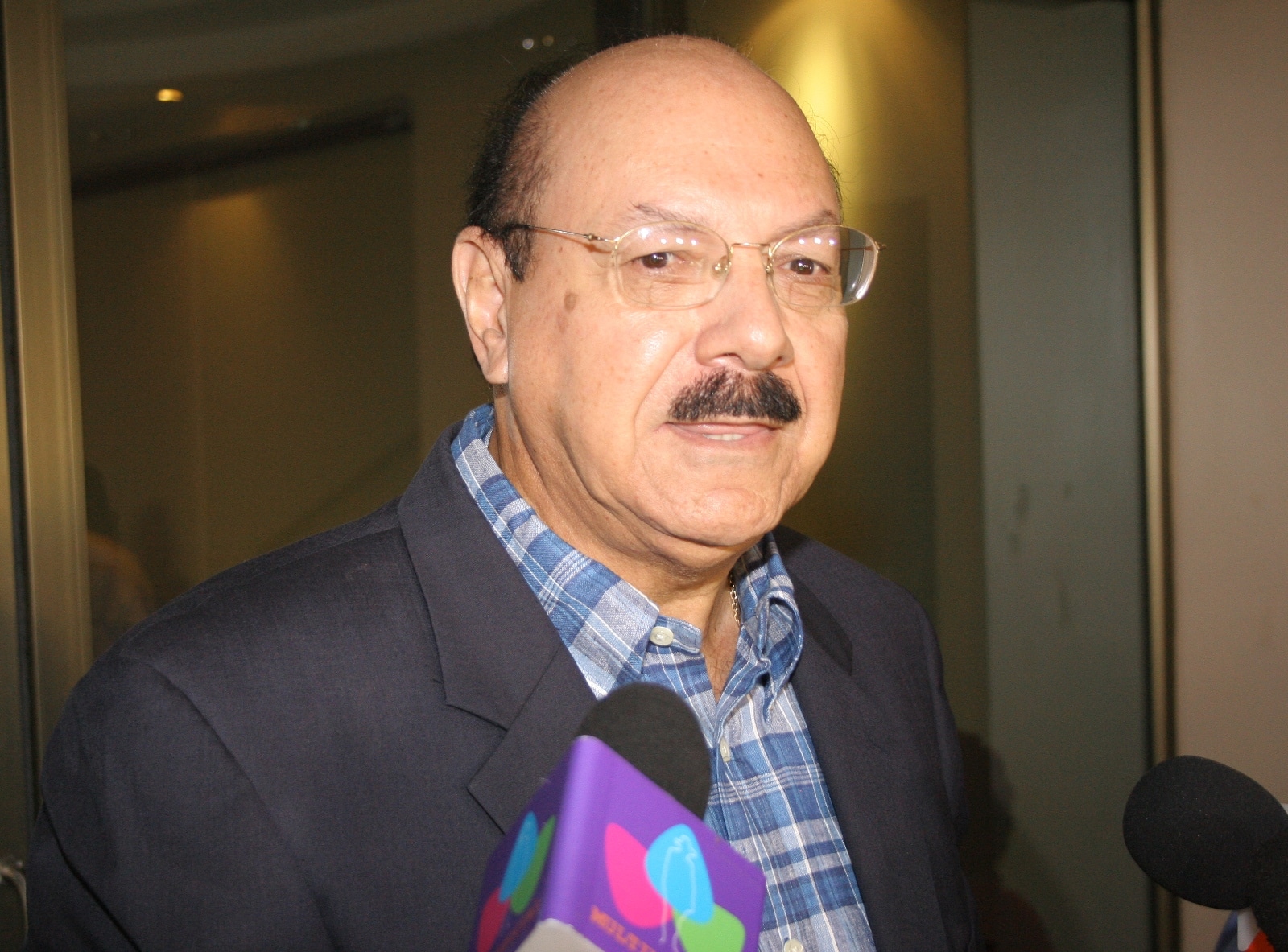
José Antonio Alvarado, former minister of the interior and health during Liberal administrations, also found his comfort zone in Parlacen. He was elected to the legislature in 2011, and in 2015, with the backing of the FSLN, he became president of the regional body.
His appointment was presented as an act of pluralism, but in reality it reflected how the Ortega regime controls even international forums. Since then, Alvarado has acted as a functional Liberal: espousing integrationist rhetoric, but without criticizing the power that backed him. This is yet another case of institutional capture.
Doris Tijerino: The Rewarded Commander
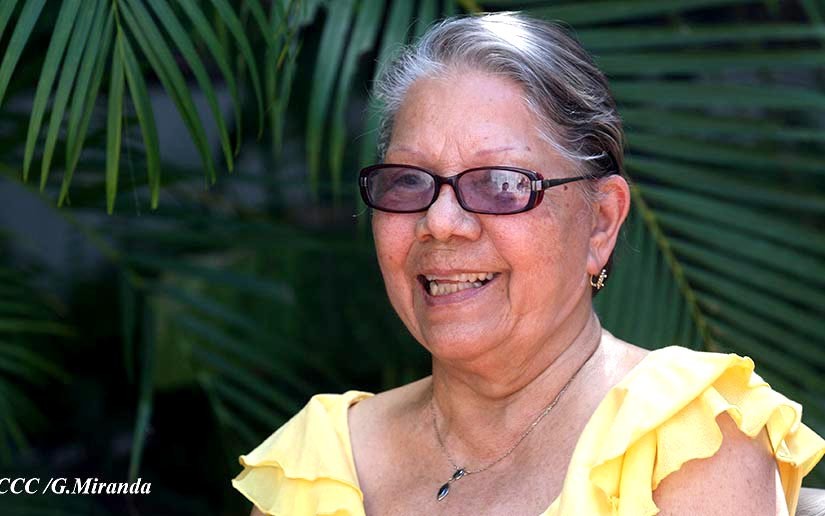
Former guerrilla commander Doris María Tijerino Haslam is one of the most iconic figures of the Sandinista old guard. She served as police chief in the ’80s, as a congresswoman, and as a minister. She has held seats in the Central American Parliament (Parlacen) for several terms, including the current one (2021–2026).
Tijerino participates in official events, delivers speeches, and serves on committees. Her role is symbolic: she represents the revolutionary past within the new dictatorial order. Far from the critical, feminist voice she once was, her presence today is part of the institutional facade that props up the regime and showcases a gender policy known as “50-50.”
Another Sandinista figure, though a low-profile one, is María Jacaranda Fernández Mejía. A healthcare professional and Sandinista activist, she also served in Parlacen during the 2011–2016 term. She held positions on technical and social committees, but her political role was minimal. Like other mid-level figures, she was rewarded with the regional seat for her loyalty and her silence.
Over the years, the Ortega-Murillo regime has filled Parlacen’s rosters with former legislators, party operatives, student leaders, former officials, and even family members. Some were useful at the time; others were simply dangerous, and it was in the regime’s interest to remove them from the national stage. They all share one characteristic: they do not challenge those in power.
Far from fulfilling its mission of regional integration, Parlacen has become, for Nicaragua, a place of political retirement, guaranteed impunity, and state subsidies for allies. Their presence in Guatemala or the Dominican Republic ensures that Ortega supporters have a diplomatic platform from which to protect themselves or lobby on behalf of the dictatorship.
In practice, Parlacen is an active graveyard—not of the dead, but of names. Men and women who were once powerful, controversial, or dangerous figures in Nicaraguan politics, but who now languish in a comfortable supranational space.
Alemán: The Corrupt Figure Who Inaugurated Parlacen’s Golden Refuge
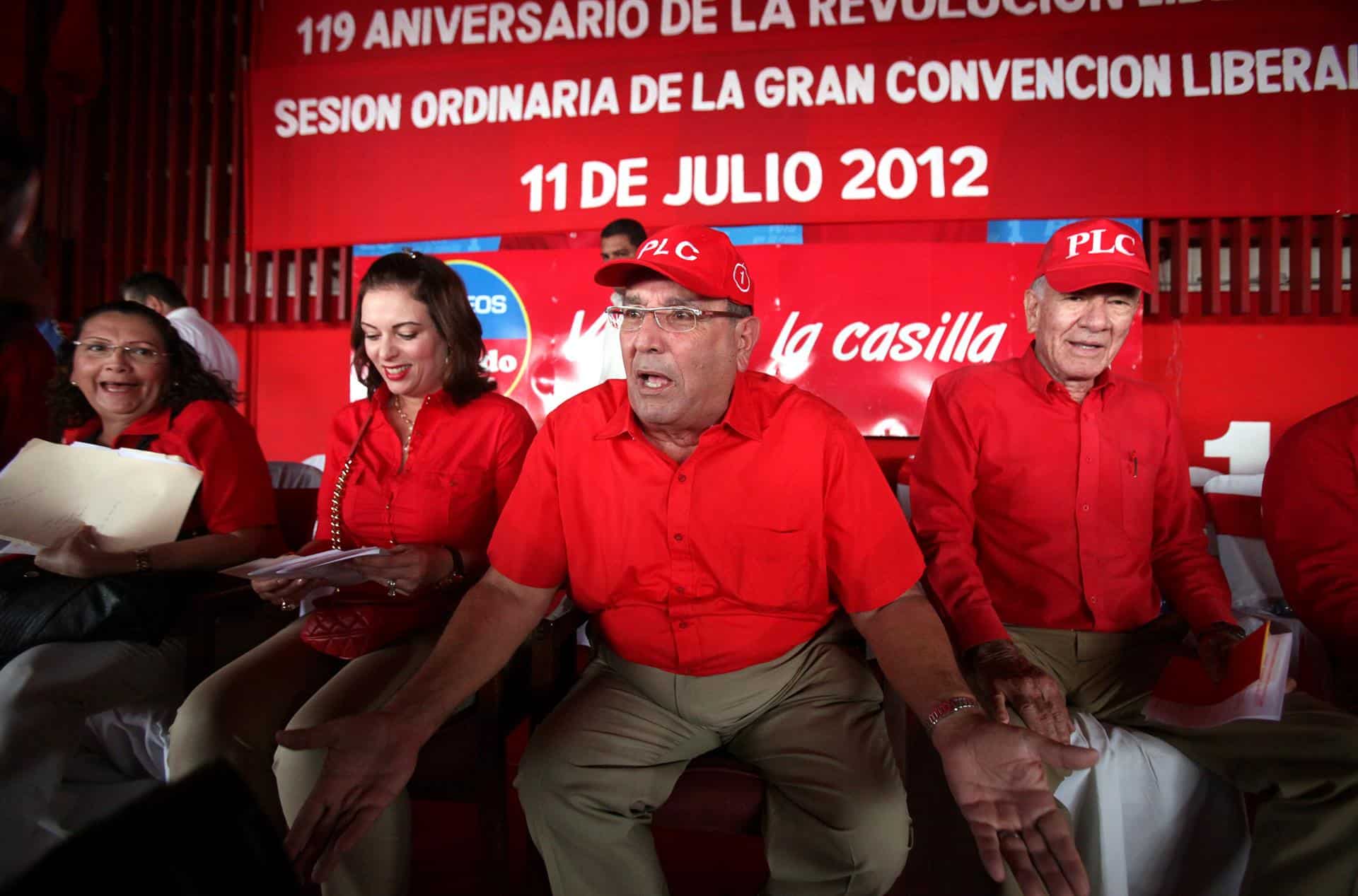
The case of former President Arnoldo Alemán Lacayo not only marked the beginning of major institutional corruption scandals in Nicaragua following the ’90s democratic transition. It also set a precedent: it turned Parlacen into a potential refuge offering immunity and impunity for those who enriched themselves through their positions of power. Alemán did not merely plunder the state; he used regional legal structures to avoid prison and retain his privileges.
Alemán governed Nicaragua from 1997 to 2002. During his term, he built a patronage-based network of corruption that diverted millions of dollars from the public treasury to personal accounts and shell companies in Panama and Miami. As soon as he handed over the presidential sash, he was sworn in as a Parlacen representative, triggering a legal strategy that would guarantee him immunity.
In 2003, a judge sentenced him to 20 years in prison for money laundering, fraud, embezzlement, and criminal conspiracy. The Public Prosecutor’s Office accused him of diverting more than $100 million in a case known as “Operation Chanchera.” But Alemán never set foot in a regular prison cell. Thanks to his status as a regional representative—but above all to his political pact with Daniel Ortega and his enduring influence—he served his sentence under house arrest at his “El Chile” estate on the outskirts of Managua. He had satellite TV, received political visitors, and made frequent trips for medical appointments.
The case became symbolic: the first former Central American president convicted of corruption who nevertheless retained the title of Central American representative. In 2009, when Ortega’s supporters had already gained total control of the Supreme Court of Justice, the ruling was overturned. Alemán regained his freedom and his assets. He never returned the money.
His presence in Parlacen was much more than a political retreat: it was a legal maneuver to shield himself, and it opened the door to a practice that became the norm. He was the first major figure implicated in corruption in post-conflict Nicaragua, and also the first former president to turn Parlacen into his haven of diplomatic impunity.
These Were Nicaragua’s 20 Representatives in Parlacen:
- José Antonio Alvarado Correa
- Winston Edgardo Betanco Blandón
- Aida Ester Blanco Talavera
- Julio César Blandón Sánchez
- Larissa Regina Colindres Maldonado
- Sidney Orlington Francis Martin
- Elida María Galeano Cornejo
- Meylin Olamara Galeano Villachica
- Carlos Salomón García Bonilla
- María Haydeé Hernández Hernández
- Jaime René Morales Carazo
- Guillermo Daniel Ortega Reyes
- Socorro Jacinta Reyes Lara
- Ludendorff Enrique Rosales Hueck
- Vidal Antonio Ruíz Cerda
- Doris María Tijerino Haslam
- Margine Del Carmen Trujillo Ruiz
- Aleyda De la Cruz Trujillo Ruiz
- Evile Del Socorro Umaña Olivas
- José Antonio Zepeda López