
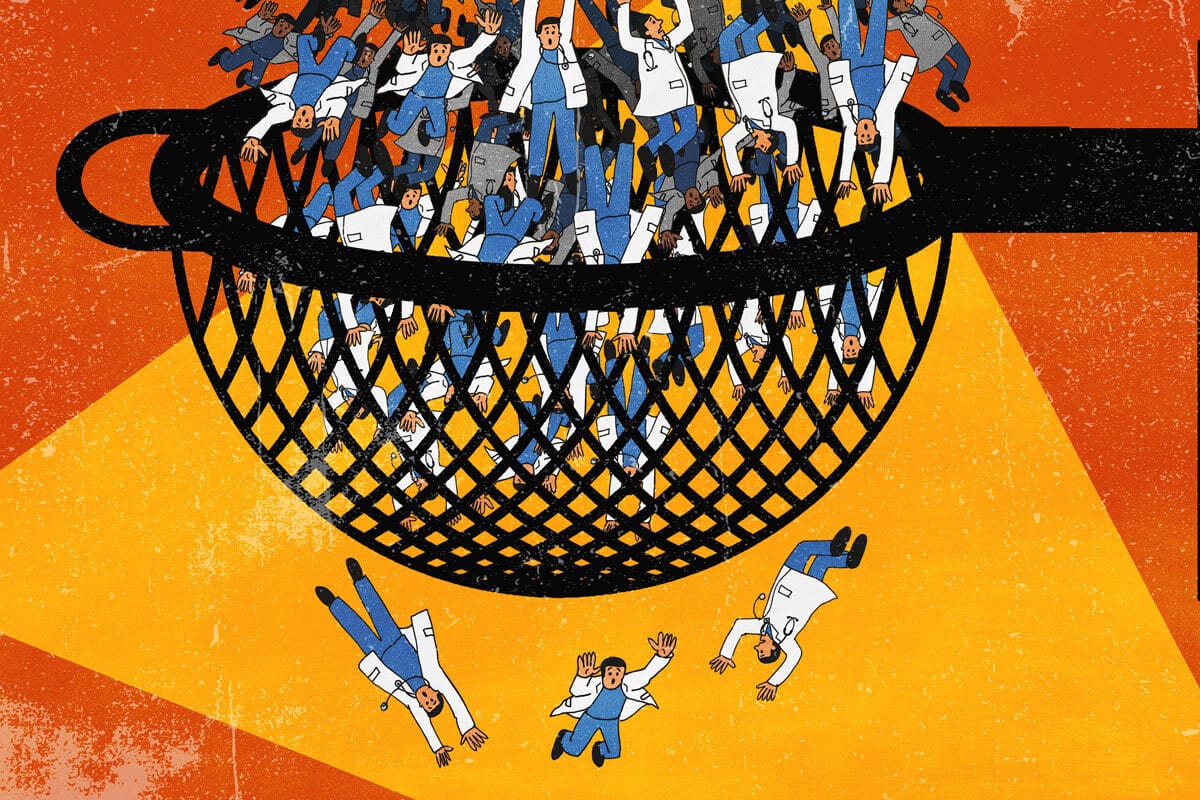
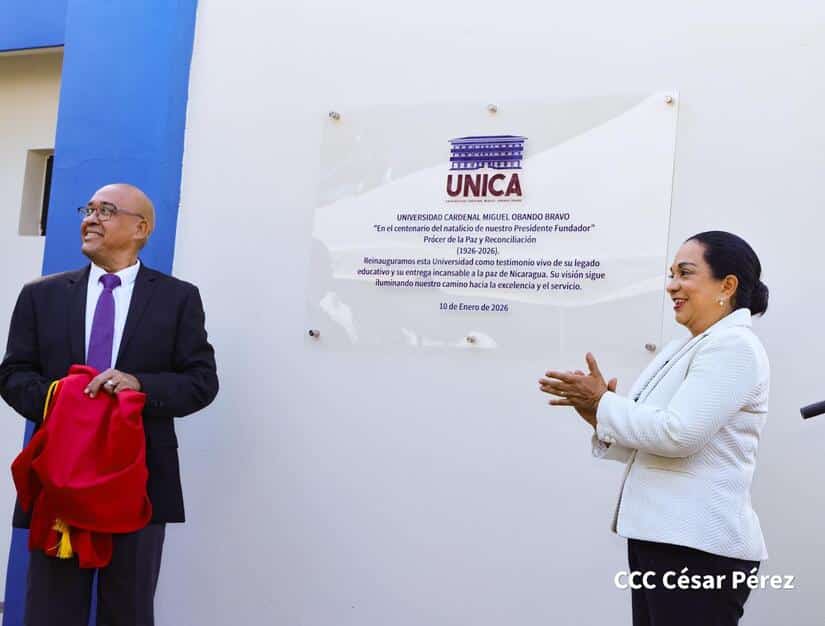
For three years, Luis’s family—a pseudonym used to protect his identity for fear of reprisals—invested approximately $21,000 so that he could become a doctor. He was a third-year medical student at the Redemptoris Mater Catholic University (or UNICA, its acronym in Spanish), now renamed Universidad Cardenal Miguel Obando y Bravo, and, like many young Nicaraguans, had built his life plan around a profession he had dreamed of pursuing since adolescence.
His life plan began to unravel on Monday, June 8, 2026—two days after the Technical Secretariat for University Affairs (SETEC) issued Resolution 04-2026, which tightened the requirements for admission to and continued enrollment in medical school at both public and private universities in Nicaragua. That day, he received a call from a professor asking him to come to his school to sign documents related to his expulsion from the program because, during his academic career, he had failed one course—a situation that, until then, had not prevented him from continuing his studies under the regulations in effect when he enrolled in 2024.
“I had dedicated years of effort, study, and sacrifice with the goal of becoming a doctor. All of a sudden, I felt that the life plan I had built over the years was thrown into uncertainty,” he recounts.
According to Luis, the document they made him sign not only formalized his expulsion from the medical school but would also prevent him from continuing his studies at another university in the country.
“When I went to sign the document, they wouldn’t let me make copies or take photographs. Nor did they give me a copy for my personal records. As I understood it, this meant waiving my right to appeal the decision, file legal claims against the university, request academic records related to my performance, and even continue my medical studies at another university,” he says.
The human and economic cost of an arbitrary measure
After his expulsion, Luis did the math. Just in monthly tuition payments of $300, his family spent about $10,800 over 36 months. Added to that were $450 in tuition fees, corresponding to three annual payments of $150; approximately $700 for books and other academic materials; about $7,200 for transportation and food during that same period; and around $1,800 for administrative fees and academic paperwork.
According to the breakdown prepared by the student himself, the total investment amounted to about $20,950. This figure is equivalent to more than 104 times the monthly minimum wage in Nicaragua, where the average minimum wage is around 200 per month, or nearly nine years of work for a person who would devote their entire income to that goal. For Luis, this calculation sums up the financial effort his family made over three years in the hope of seeing him become a doctor.
“Right now, I’m not sure what I’ll do in the future. This situation has profoundly affected my academic and professional plans. My family and I had invested time, financial resources, and high hopes in my education. Now I’m trying to figure out what options I have to move forward,” he says.
His case illustrates the human and economic impact of the new regulations, which affect the lives of thousands of young Nicaraguans and which, according to higher education experts consulted by DIVERGENTES, aim to address issues of academic quality by tightening requirements for students, while failing to address structural factors that also influence medical education, such as faculty quality, assessment systems, university administration, and the effects of political indoctrination since 2018.
Experts also question whether the regulations should apply to students who were already enrolled in medical school under academic rules different from those established by Resolution 04-2026. They argue that modifying the conditions for continued enrollment once the program has begun is equivalent to changing the rules of the game midway through the educational process and could violate previously acquired rights.
Purges Affect Several Generations of Future Professionals
The regulations presented by SETEC—an institution that assumed strategic functions within the university system following the sweeping reorganization of higher education driven by the regime of Daniel Ortega and Rosario Murillo over the past eight years—were presented as a measure to strengthen the quality of medical education in Nicaragua.
Among its main provisions are the requirement of a minimum grade point average of 90 points for admission to the program, as well as psychological and vocational assessments. Resolution 04-2026 also stipulates that, in order to remain in the program, students must pass all courses on the first attempt and maintain a “clean academic record.”
It also states that students who are “repeating the academic year or have failed courses will not be able to continue their studies.” This means that expulsion applies not only to those who fail a course in the future but also to those who were already enrolled in the program and had failed a course under different academic rules.
This measure came amid other recent decisions related to the healthcare sector. Just one week earlier, the case of a young female doctor reported missing by her family led to a press conference in which police authorities disclosed information regarding her mental health, personal history, and family background. Experts questioned the public disclosure of sensitive data and the mishandling of a situation related to mental health.
Shortly thereafter, on June 6—the same day the new rules for medical school admission were issued—the Ministry of Health announced psychological evaluations for 3,742 doctors under the age of 35 working in the public health system.
According to some experts consulted by DIVERGENTES, the new regulations reinforce these decisions by focusing solutions on those who are studying or practicing medicine, while broader questions remain regarding medical education and the functioning of the university system.
Correcting Students Without Correcting the System
For Adrián Meza, a specialist in higher education and former academic dean, the resolution is a sign that the authorities recognize problems with the outcomes of medical education.
“It’s clear evidence that the model is falling apart. In other words, the results of academic inadequacy are so evident that the regime has been forced to take action to try to remedy the damage caused by the shift from a model of education and training to a model of indoctrination,” he states.
However, he believes that the solution adopted focuses on the consequences rather than the causes. “All it does is shift the entire burden of the corrective measure onto the student,” Meza points out.
According to the expert, if the authorities believe there are quality issues in medical education, the review should include multiple components of the educational system.
“The underlying problem is one of quality—quality in teaching, quality in the administration of the degree program, quality in the teaching processes, and also quality in the assessment systems.”
In his view, tightening requirements for students does not necessarily address these factors. “Many factors contribute to academic outcomes. Here, the only factor being addressed is the passing score,” he argues.
New Mid-Program Rules Violate Student Rights
Concerns about this measure also extend to Ernesto Medina, a former university president and one of the country’s leading experts on higher education, who is currently in exile.
“The first thing one wonders is: on what basis are these decisions actually being made and these new regulations imposed?” he notes.
Medina considers it legitimate for a degree program such as medicine to have special requirements due to the social responsibility involved in training future healthcare professionals. However, he argues that decisions of this magnitude should be backed by solid studies, assessments, and technical analyses.
“The implications that medical training has for society cannot be subject to arbitrary and improvised decisions such as these appear to be,” Medina stated.
Beyond the new demands placed on students, Medina asks, “What are universities doing to ensure that these young people will also receive the best possible education?”
The question highlights an aspect that the resolution does not address, such as the evaluation of teaching quality, faculty preparation, available academic resources, and institutional mechanisms for improving instruction.
“I have serious doubts about what universities are currently offering young Nicaraguans,” he warns.
According to reports compiled by DIVERGENTES, some of the affected students were admitted to medical school several years before Resolution 04-2026 was approved, as in Luis’s case.
That is why Medina finds the retroactive application of the measure particularly troubling and points out that it is “a flagrant violation of students’ rights.” The expert explains that the new rules affect not only future applicants but also students who had already begun their studies under different conditions.
“Applying this to students who are already in the final years of their program—or even those who are finishing their first or second year—and who, according to these new criteria, would no longer be able to continue their studies, is a change in the rules of the game that goes against a student’s fundamental rights,” he warns.
Can a Single Course Determine Who Becomes a Doctor?
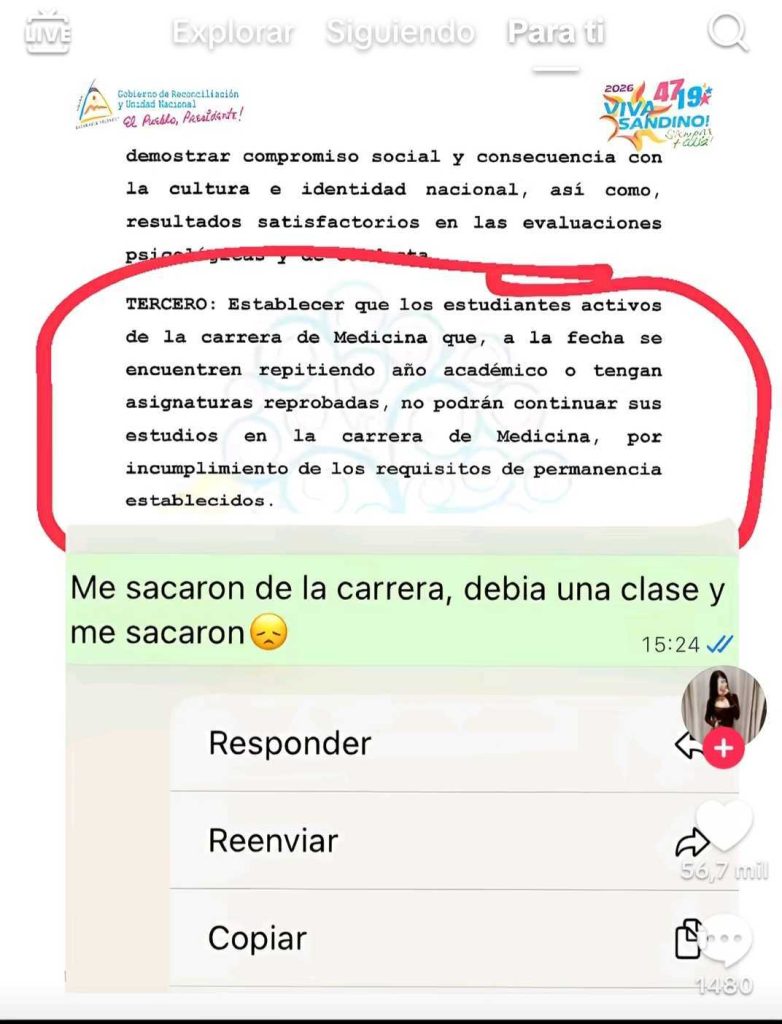
While Resolution 04-2026 is based on the premise that students who fail a course should not continue in their degree program, some students took to social media to point out that academic performance is influenced by personal, family, financial, and emotional circumstances that a grade does not always reflect.
“There are courses that are twice or three times as hard for you, but that doesn’t make you a bad student; one course doesn’t define who you are or what you’ll become,” wrote a user identified on TikTok as @minombreesbet.
Another student, identified as @brittt, recounted that she failed a course while going through a difficult family situation. As she explained, her grandmother became seriously ill and passed away shortly before one of her exams. “It wasn’t my fault that I failed; it was just the circumstance,” she wrote.
The testimonials circulating on social media reflect experiences marked by family problems, financial difficulties, academic stress, emotional distress, and personal situations that can temporarily affect academic performance.
“Failing a course doesn’t automatically make you a bad doctor, just as passing them all doesn’t guarantee you’ll be an excellent one,” wrote another student on the same social media platform.
For many young people, the problem lies not only in the academic demands, but also in the lack of opportunities to recover from a mistake or exceptional circumstances.
“Learning involves making mistakes, correcting them, and trying again,” wrote one of the students affected by the measure. Another pointed out that many renowned professionals faced similar difficulties during their college years.
“I know classmates, doctors, and professors who once failed a course and are now excellent professionals,” he commented.
The uncertainty also affects those who are still in the classrooms. “I have a lump in my throat because you never know; tomorrow it could be me,” wrote a TikTok user identified as Nayeli Somoza, reflecting the fear that the new regulation has generated among those still studying medicine.
For others, the resolution represents more than just an academic reform. “Today I feel that they didn’t just close a door on us; I feel like they ripped away a dream we’ve been fighting for for years,” said another student.
How Other Systems Are Trying to Ensure Quality in Medical Education
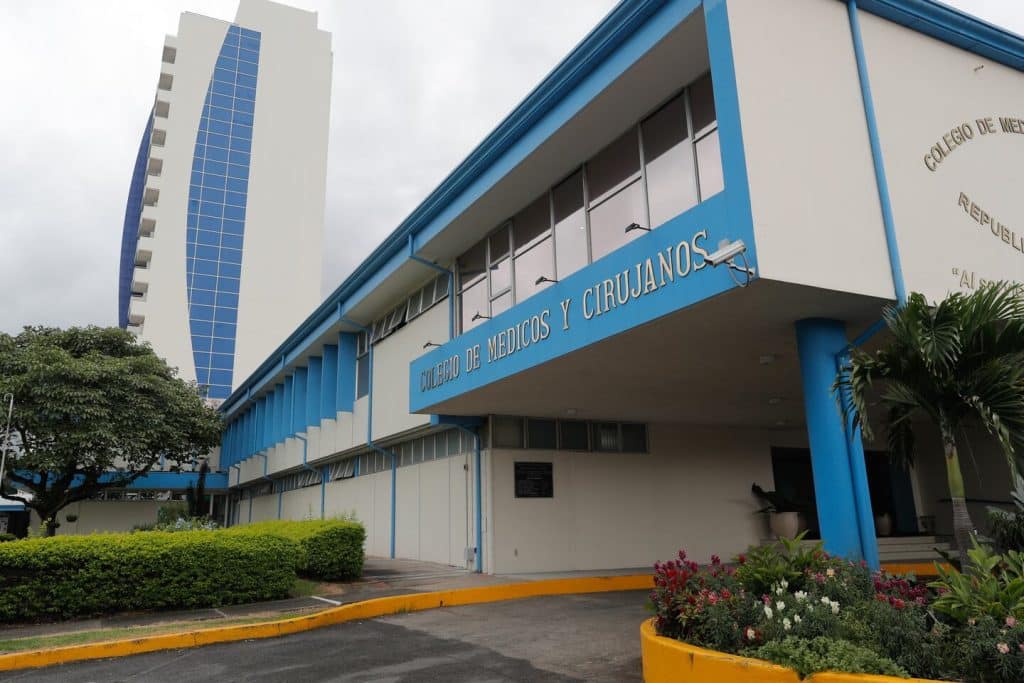
While in Nicaragua the new regulations aim to improve the quality of medical education by expelling students who fail courses, other countries in the region focus their quality assurance mechanisms on evaluating academic programs and the institutions that train future doctors. When interviewed by DIVERGENTES, Dr. Carlos Araya Fonseca, secretary of the Governing Board of the College of Physicians and Surgeons of Costa Rica, explained that quality assurance processes in that country typically include comprehensive evaluations of degree programs and institutions of higher education.
This observation aligns with the questions raised by Medina and Meza. While SETEC’s new measure tightens requirements for students, the specialists consulted point to the need for a comprehensive evaluation of the various components that influence the quality of medical education.
“The practices that must be implemented are all those related to the program’s international accreditation. This involves an appropriate faculty with sufficient technological resources so that knowledge can be adequately transmitted,” says the Costa Rican physician.
He also highlights the importance of continuously reviewing academic programs, institutional resources, and teaching capabilities. “Without evaluation, it is impossible to know whether something is right or wrong,” he added.
The Transformation of Universities Under Political Control
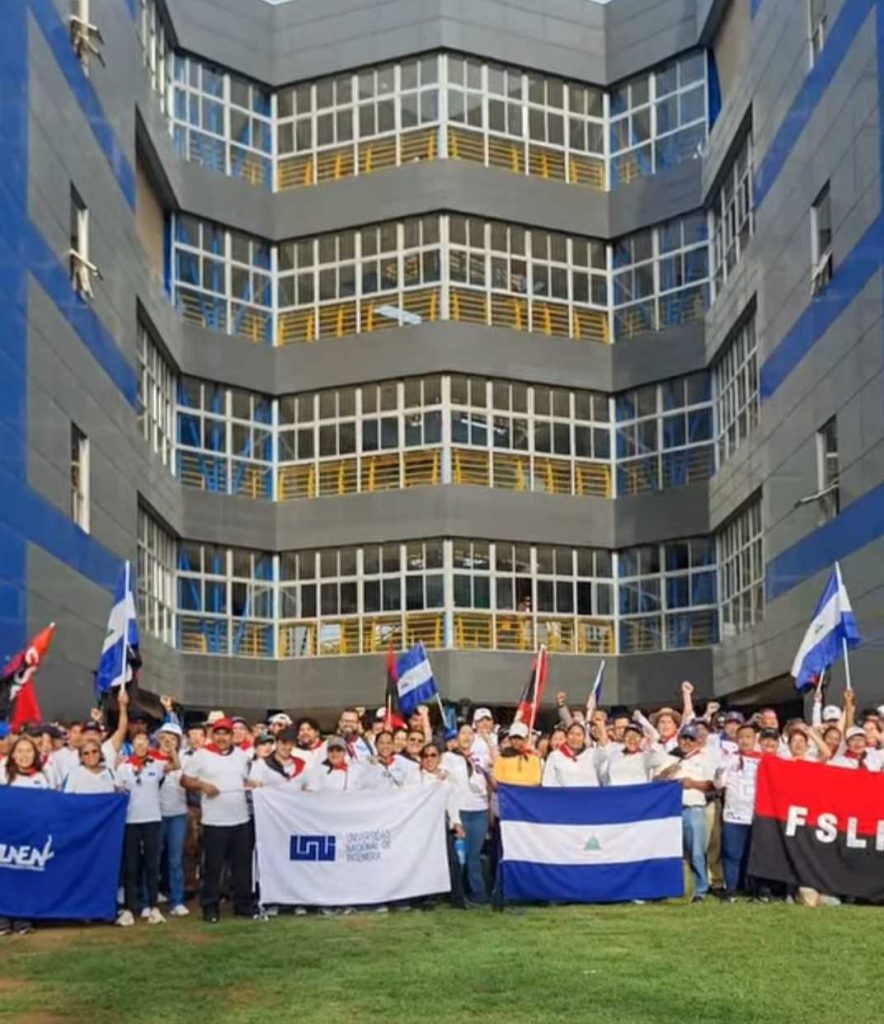
Since 2021, the Sandinista regime has shut down or seized dozens of universities, replaced academic authorities, restructured governing bodies, and concentrated control of the university system under new state agencies.
The Nicaraguan academics cited in this report have denounced a growing process of political control over higher education and a gradual replacement of academic criteria with ideological ones. It is in this context that the new regulations for medical schools have emerged.
In recent years, more than 30 private institutions were closed or taken over by the state. Many of them were reopened under new administrations appointed by the Sandinista regime.
This process led to changes in academic structures, university leadership, and faculty. It also raised concerns among experts about the loss of university autonomy and the growing influence of political considerations in academic decision-making.
To date, there are no public figures indicating how many students have been excluded from medical school following the entry into force of Resolution 04-2026.
What does exist, however, are stories like that of Luis and other young Nicaraguans who have shared their testimonies on social media. “Maybe not all of us deserved to be given anything for free, but we did deserve one more chance to prove that we could get back on our feet,” reflects one of the affected students.