
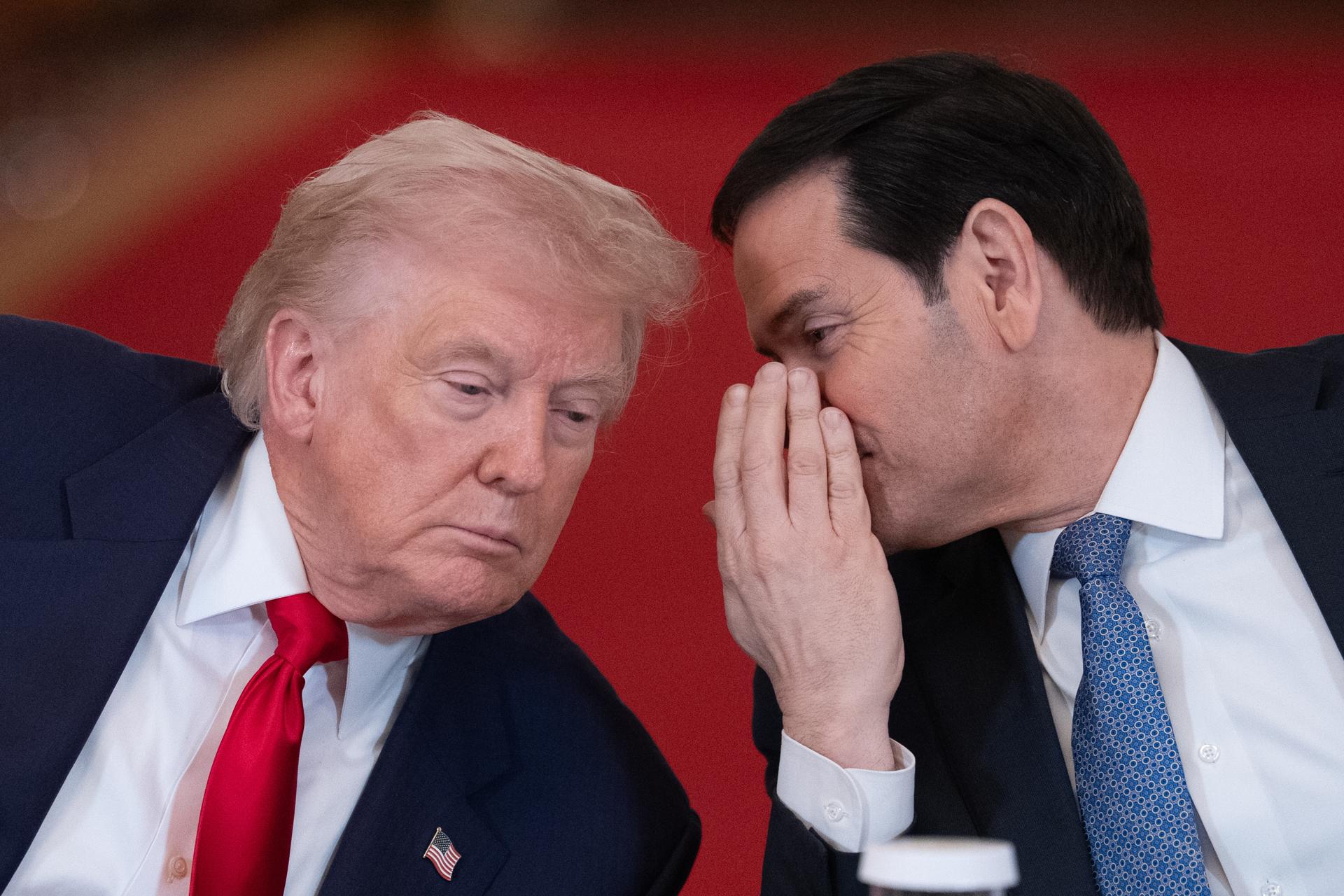
A spokesperson for the Department of State, under the leadership of Secretary of State Marco Rubio, told DIVERGENTES that the U.S.“actively engages with a wide range of Nicaraguans through our embassies in Managua and in Washington as part of our regular diplomatic activities.” The statement comes after this publication inquired about the “contacts without negotiations” that, according to sources close to both governments, have been taking place since December 2025, when the presidential couple sent Dennis Moncada to Washington to open a channel of communication with the Trump Administration.
Although the Department of State limited itself to responding in that way regarding the nature of the contacts, the spokesperson emphasized that “U.S. policy toward Nicaragua remains focused on eliminating the threats to our national security interests posed by the Murillo-Ortega dictatorship, including putting an end to illegal migration, restoring the rule of law, and protecting and promoting the U.S. interests, citizens, and prosperity.”
On March 17, DIVERGENTES published an account of the relationship between Managua and Washington, amid the new regional landscape exacted by President Trump following the capture of dictator Nicolás Maduro in Caracas. Based on more than a dozen interviews with sources close to the U.S. and the Sandinista regime, this publication confirmed that there are “contacts” between the two countries and that, on Nicaragua’s side, the management of this relationship has fallen to Laureano Ortega and co-Foreign Minister Valdrack Jaentschke.
In parallel with Moncada’s efforts, in early January, the U.S. appointed Elias Baumann as chargé d’affaires; he promised “protection of fundamental freedoms.” With the co-foreign minister back in Managua and a clearer picture in Venezuela—and after a transition overseen by President Trump and Secretary Rubio—the Ortega-Murillo presidential couple resumed “contacts” with U.S. officials, in a context in which, through official statements by Trump Administration officials and even members of Congress, they insist that Nicaragua is neither a partner nor a friend.
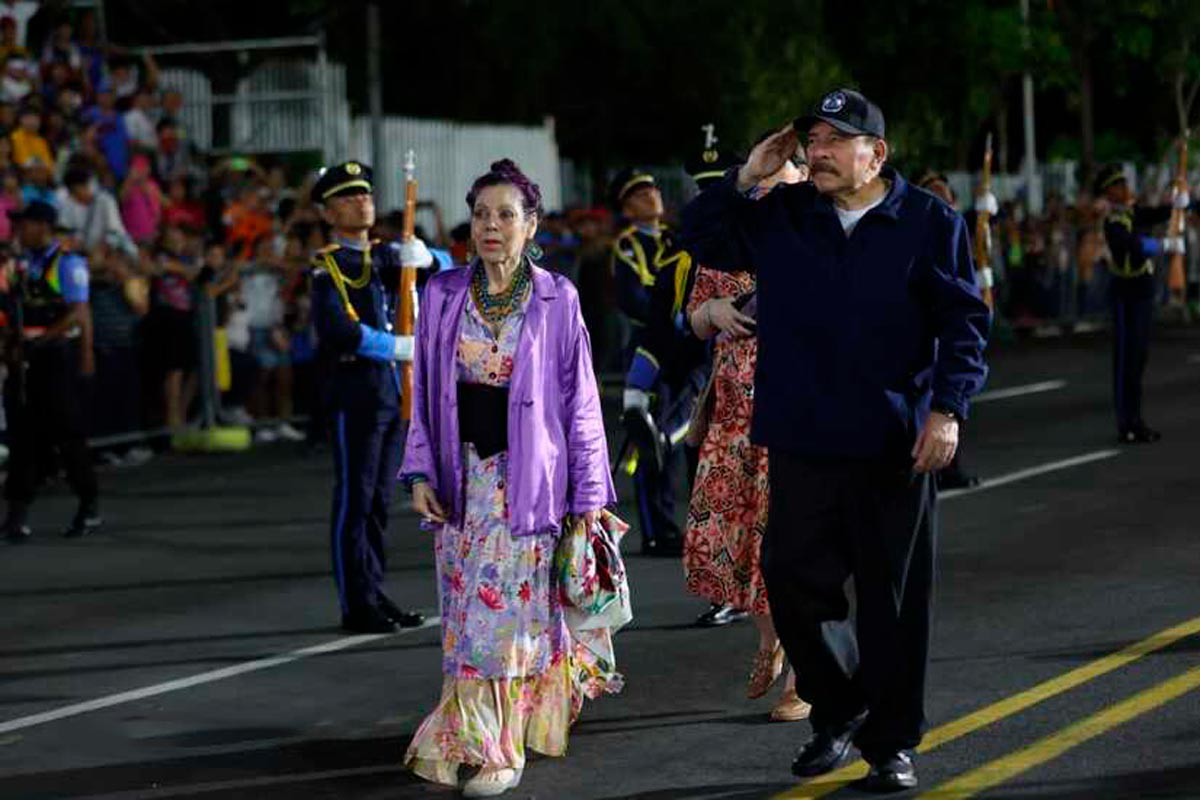
That rhetoric has taken on a striking new tone: the criticism has been directed specifically at Co-President Murillo, who is currently viewed in Washington as the real power behind the throne, surpassing an aging and waning Ortega. In that sense, the Department of State’s spokesperson’s response aligns with this trend, as he places Murillo’s surname first when referring to the dictatorship.
According to the sources interviewed for the previously referenced article, Co-President Murillo has made concessions to U.S. suggestions somewhat reluctantly, as the Trump Administration continues to apply pressure through a series of measures, such as the investigation launched by the U.S. Trade Representative (USTR) under Section 301 regarding Nicaragua’s policies on labor rights, human rights, and rule of law.
“In those specific meetings—which, again, are not negotiations per se—the regime has made certain concessions,” a source insisted last week. “Specific issues have been discussed, such as the migration issue, which led to the formalization of visa requirements for several countries in February, including for Cubans who were using Managua as a springboard for migration to the United States. The release of all political prisoners has been requested, and Valdrack and Laureano note this, but it has not been fulfilled concretely.”
Warnings against siding with antagonistic nations
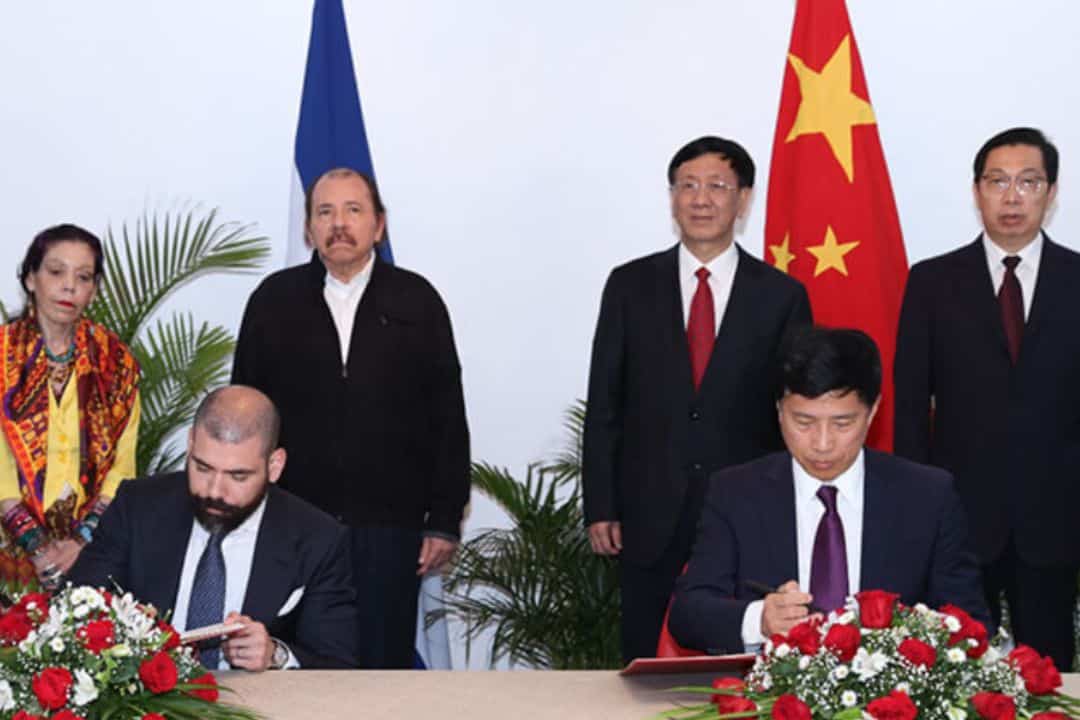
In response to further inquiries from DIVERGENTES regarding the statements made by the sources consulted, the spokesperson for the Department of State insisted that “the Murillo-Ortega dictatorship continues to align itself with countries that challenge U.S. interests around the world.”
“We have made it clear to the dictatorship that such relations pose risks for the U.S. and our citizens, our regional partners, and the Nicaraguan people,” said the spokesperson from Marco Rubio’s office.
Although the Ortega-Murillo regime has managed to dodge direct pressure from the Trump Administration—unlike what happened in Venezuela or the ongoing negotiations with Cuba—it has continued to defy Washington through its diplomatic alignment with Russia and, above all, with China, to which it has granted mining concessions. The presidential couple’s shift reached the point where, in September 2025, it confiscated the plant of the U.S.-owned company BHMB Mining Nicaragua to transfer it to Chinese companies.
The spokesperson for the Department of State noted that since 2018, the U.S. has imposed economic sanctions on 52 individuals and 14 entities “for their support of the Murillo-Ortega dictatorship.” One of the most recent individuals sanctioned was one of the regime’s top prison officials—director of maximum security at La Modelo prison, Roberto Clemente Guevara Gómez, for “his involvement in a serious human rights violation against a political prisoner.”
“We continue to monitor closely the developments in the region in order to determine where the dictatorship is receiving support, and to deploy effectively our diplomatic tools to bring about a change in behavior,” stated the spokesperson for the Department of State, who then issued a clear warning to the “Murillo-Ortega regime:” “All options remain on the table.”