
If you need mercury, you have to call Lucas. He sells it directly, and in Los Chiles, in the San Carlos municipality, they will give you his phone number so you can place an order. When we call the Claro number 8930-5622, it is not a man who answers, but a woman who says that “right now there is no more ‘azogue’,” as artisanal miners call this metal, “but there might be some tomorrow.”
“And how much is it right now?” I ask the woman.
“Well, it’s been going for 7,500 pesos.”
“Per pound?”
“Yes, per pound.”
The woman asks how much we need so she can let Lucas know—he is not available at the moment. I tell her I will call tomorrow to confirm. This conversation is a snapshot of what is happening in Los Chiles and throughout the border region between Nicaragua and Costa Rica: mercury use is severely restricted in both countries, but it can be obtained after a brief inquiry in the villages and after a simple phone call. In this area, where vital ecosystems coexist with unregulated mining, “azogue” is the key input for processing artisanal gold and circulates as if the law and the Minamata Convention, which regulate its use, did not exist.
In Los Chiles, on the Nicaraguan side, there are several active mining sites in communities such as La Bodega, Las Minas, La Palmera, San Agustín, and Poza Redonda. Artisanal miners, known as “güiriseros” in Nicaragua and “coligalleros” in Costa Rica, operate within a network that crosses the border with ease. They know that mercury is restricted, but it is an essential part of an artisanal process that supports a multi-million-dollar extractive industry harmful to the environment.
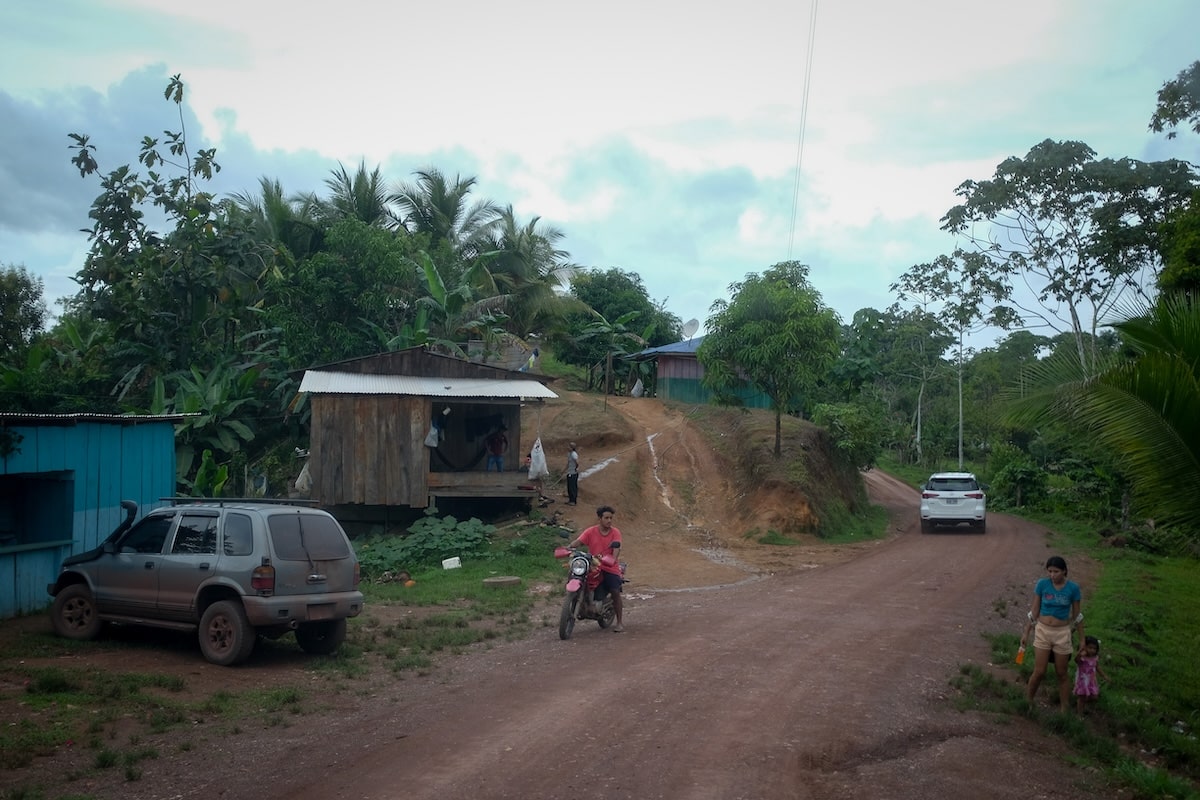
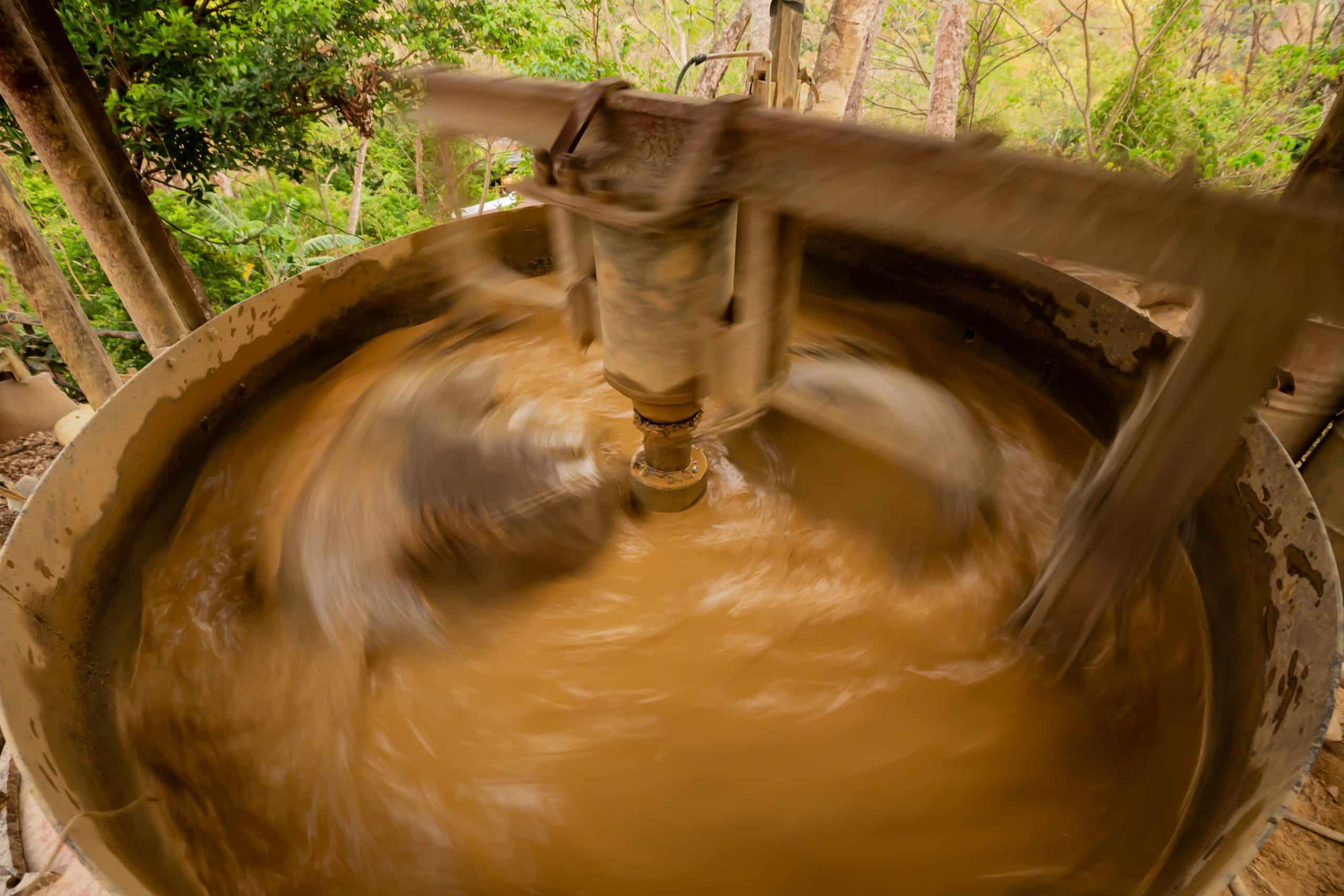
In the final months of 2025, when DIVERGENTES and the environmental organization Fundación del Río toured the area, the metal was scarce but continued to circulate through informal networks. This is a smuggling route that this report—based on dozens of interviews in artisanal mining sectors in both countries and on open-source data—has been able to reconstruct.
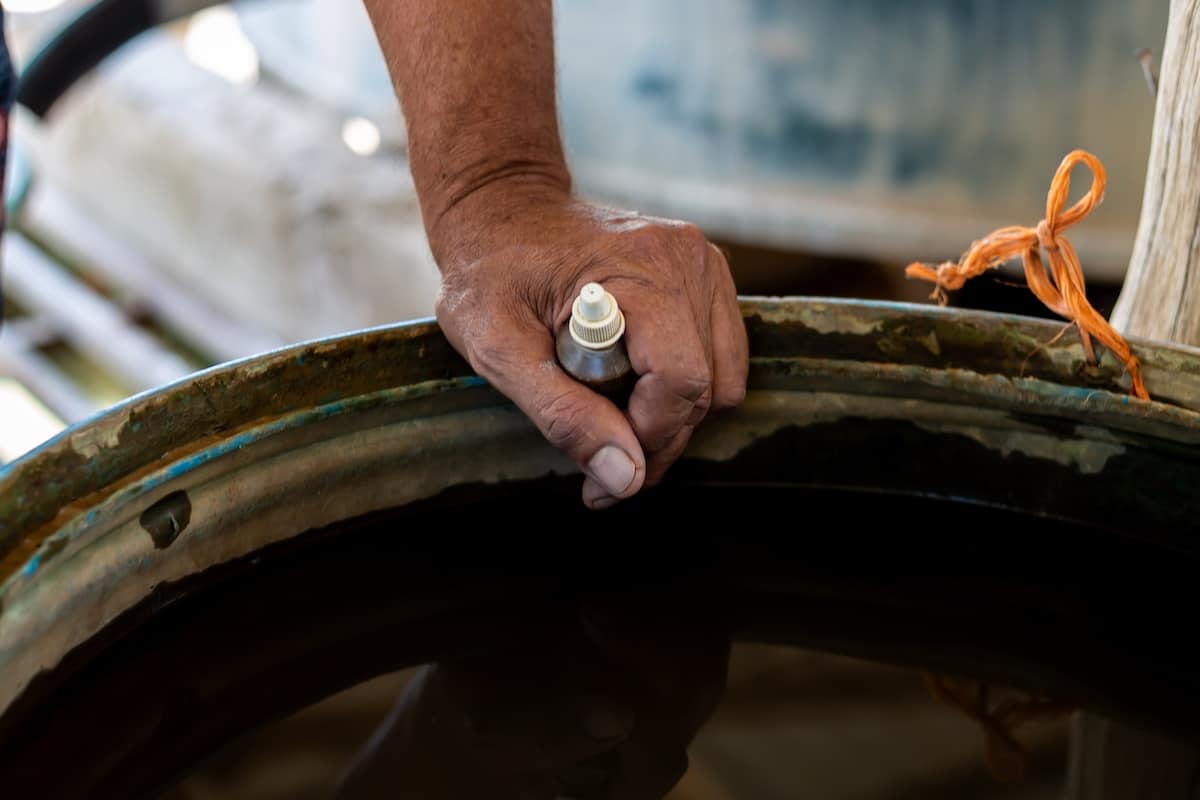
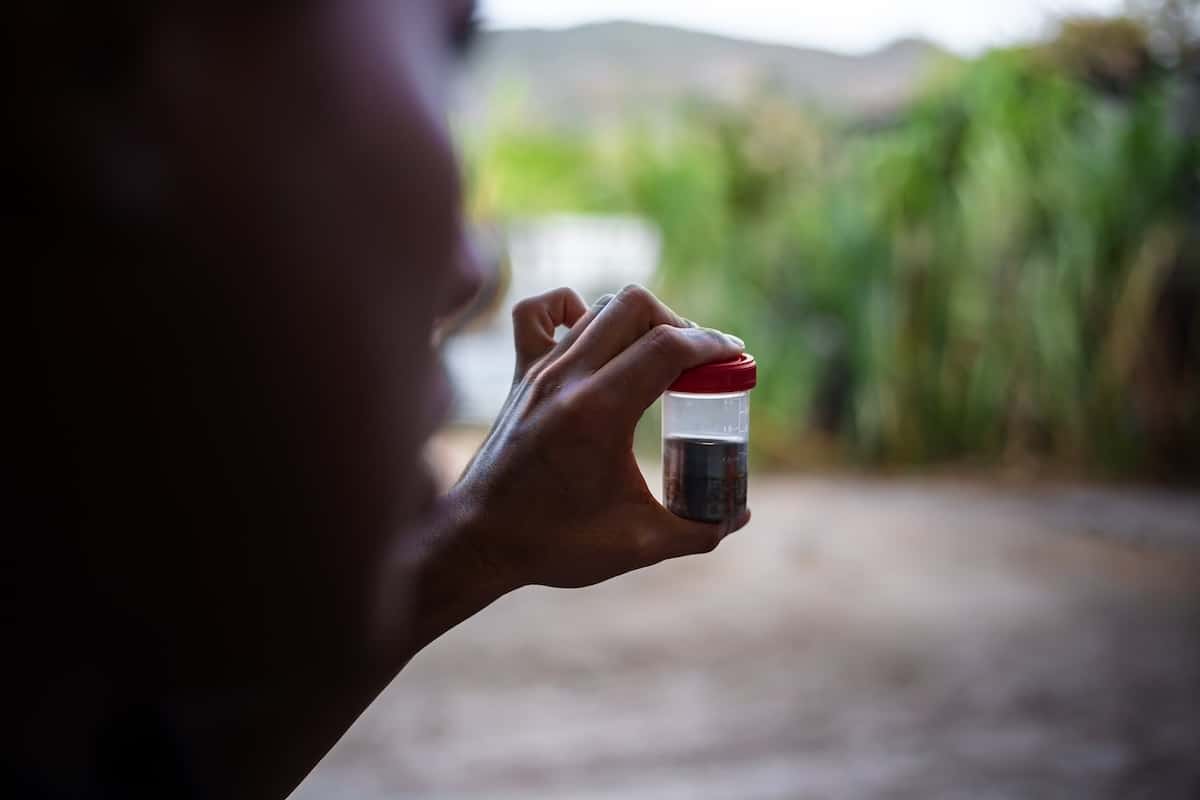
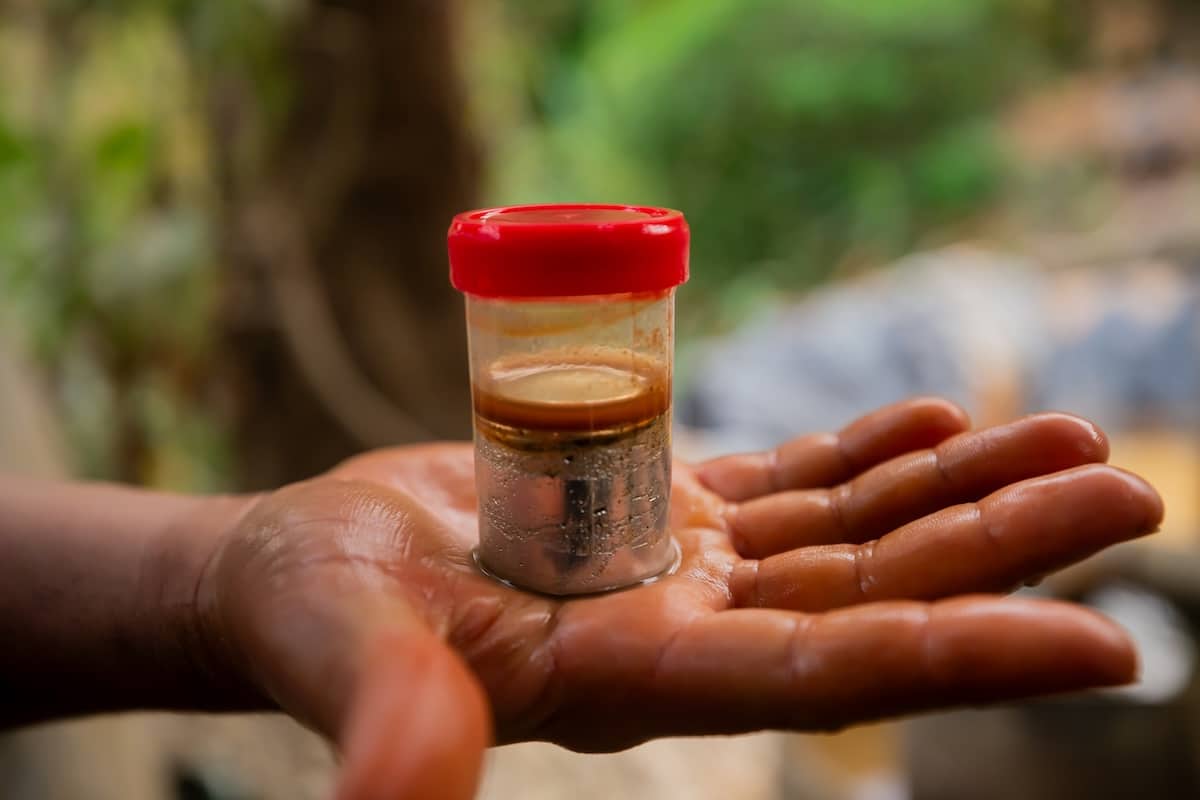
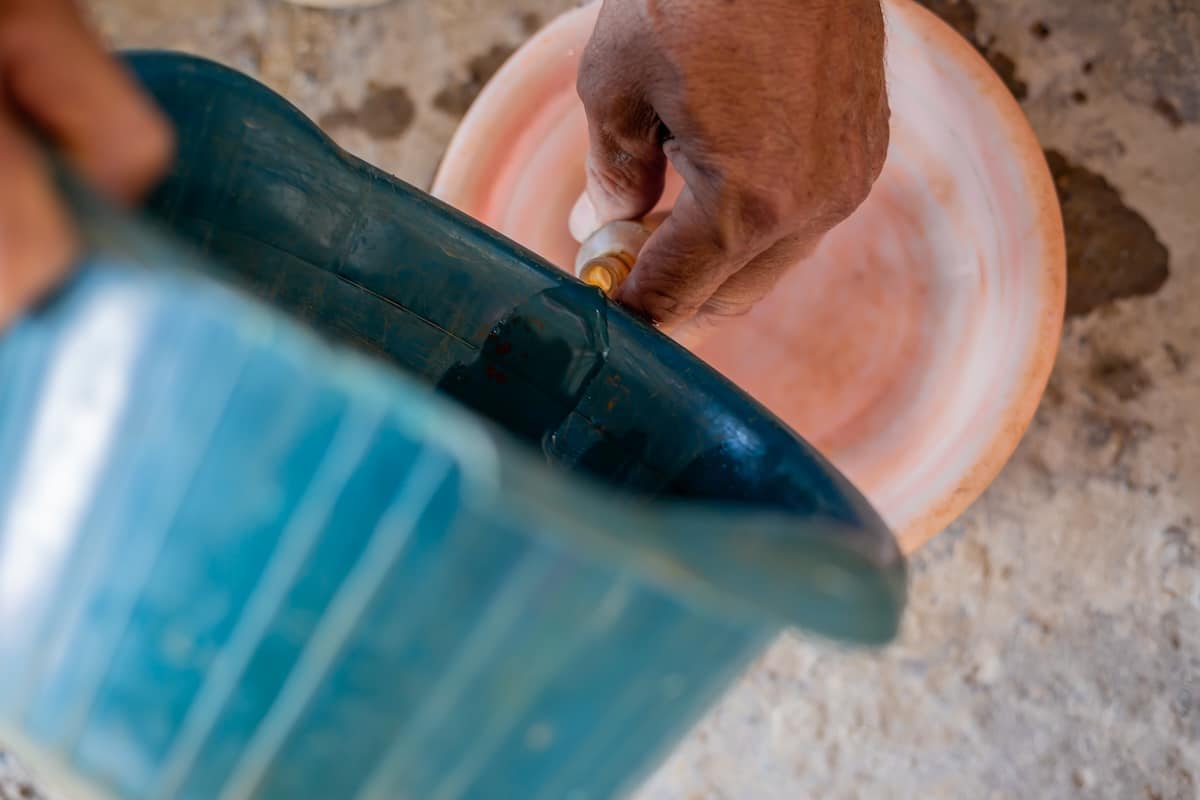
Firstly, Central America does not produce mercury; it has no mines and does not process it, therefore, all the metal circulating in this border region is, by definition, contraband. The sources of origin are Mexico and China, the two main exporters supplying the regional illegal market. Locally, the metal is sold in medicine droppers—the same small bottles used for eye drops, holding approximately 2.4 ounces—as DIVERGENTES and Fundación del Río were able to verify on site.
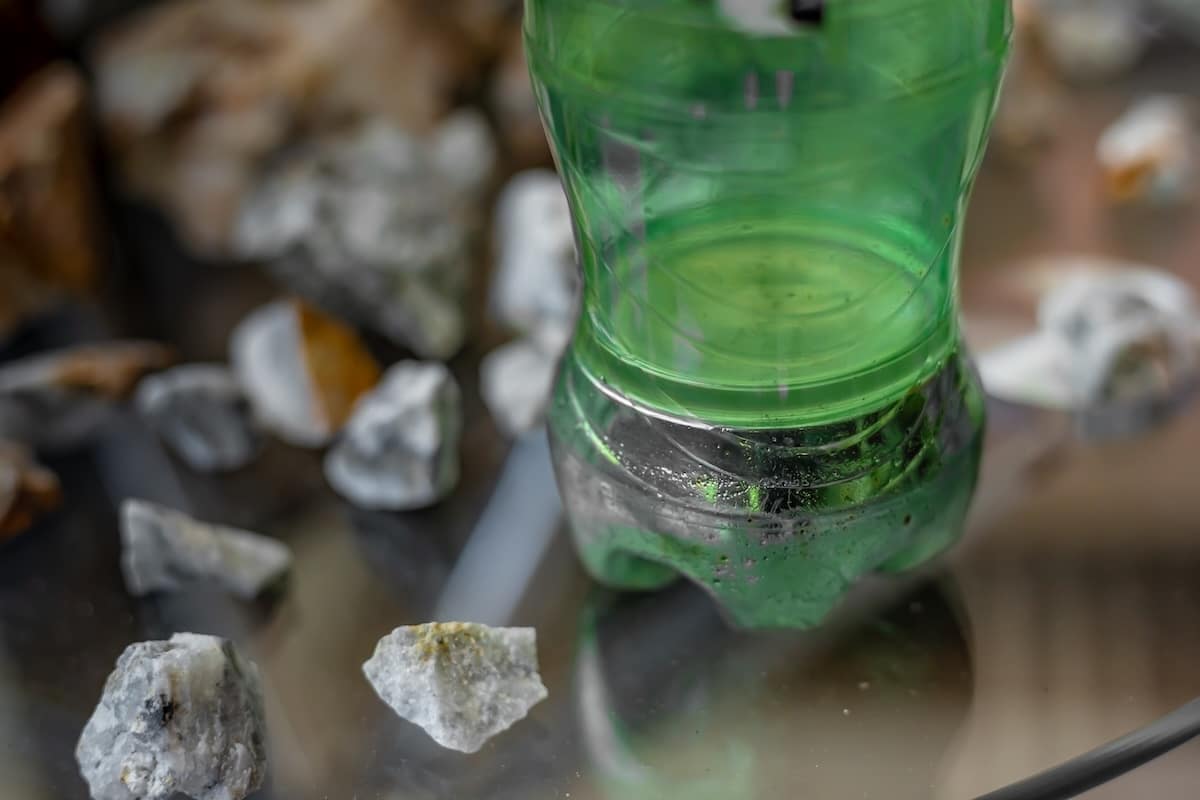
The droppers are labeled “Made in Mexico.” But that is just the final stage. Before being bottled in those small containers, the mercury is transported from Nicaragua in aluminum cans or metal cylinders, crossing on buses or cayucos without anyone declaring its contents. According to a recent study by the Environmental Investigation Agency (EIA), the illegal mercury supplying Central America originates from the Sierra Gorda Biosphere Reserve in the Mexican state of Querétaro.
Between 2019 and 2025, this organization documented the smuggling of approximately 200 tons of illegal mercury—the largest flow ever reported globally. The trail taken by this metal is the same one used by drug traffickers to move cocaine by land and sea. In 2019, the Costa Rica’s Judicial Investigation Agency (or OIJ, by its initials in Spanish) had already confirmed this from a local perspective when, in a single operation, it seized 2,400 kilograms (5,291 lbs) of cyanide and more than one kilogram (2.2 lbs) of mercury that had been illegally brought in from Nicaragua. The OIJ documented in its report the existence of “several organized groups” dedicated to smuggling these substances, particularly in the Crucitas area.
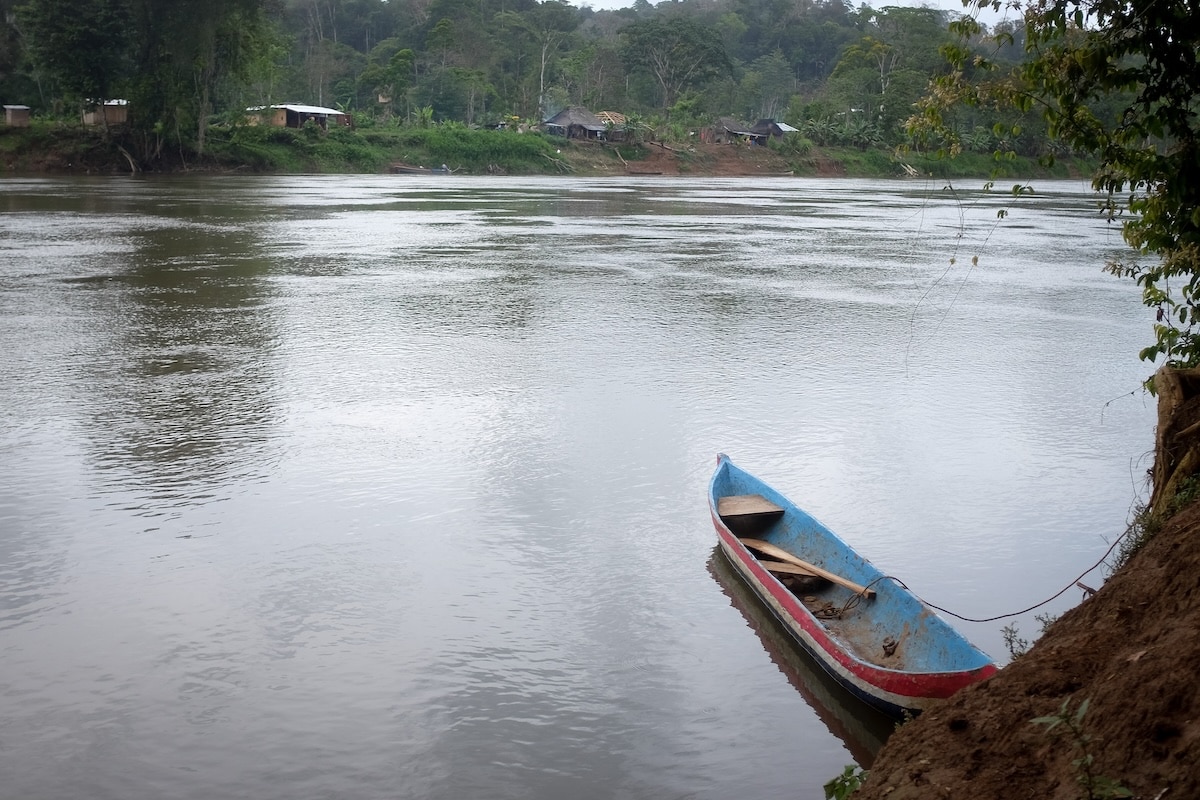
“In Nicaragua, they catch anyone who doesn’t pay,” said several sources in Crucitas when describing how the Nicaraguan Army operates on the Río San Juan, where all boats must register and pass through military checkpoints at every crossing. Payment is not an exception but rather part of the system. And when the Army does confiscate materials, it avoids mentioning mercury. It calls it “substances used in mining,” an evasion that is not accidental but consistent with the official narrative of Daniel Ortega and Rosario Murillo’s regime which, since 2021, has claimed that the metal “no longer enters the country.”
In El Castillo, a municipality of the Río San Juan department, local merchants are one of the main links in the chain. In Los Chiles, in the same department, Lucas operates; sources identify him as one of the most well-known mercury distributors in the area.
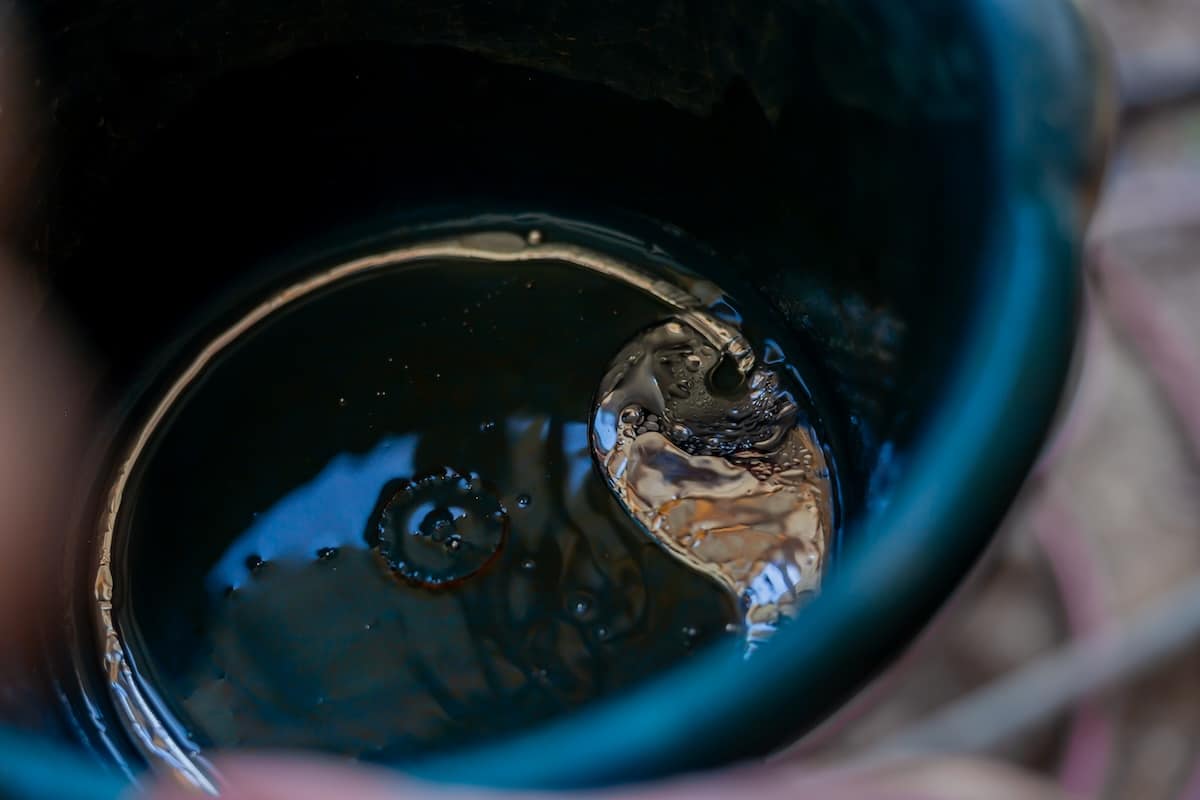
Lucas has his own mining site in the community of La Bodega. He receives the metal from Somotillo, in the department of Chinandega, shipped by bus with no one taking responsibility for the shipment. Someone hands it over to the driver, and if it is confiscated along the way, there is no one to answer for it.
At the time of the field trips conducted by DIVERGENTES and the Fundación del Río in April and May 2025, a pound of mercury cost 8,000 córdobas in that area—a sign of scarcity but also of sustained demand. Lucas had pending orders from miners in Siuna.
A Circular Trail
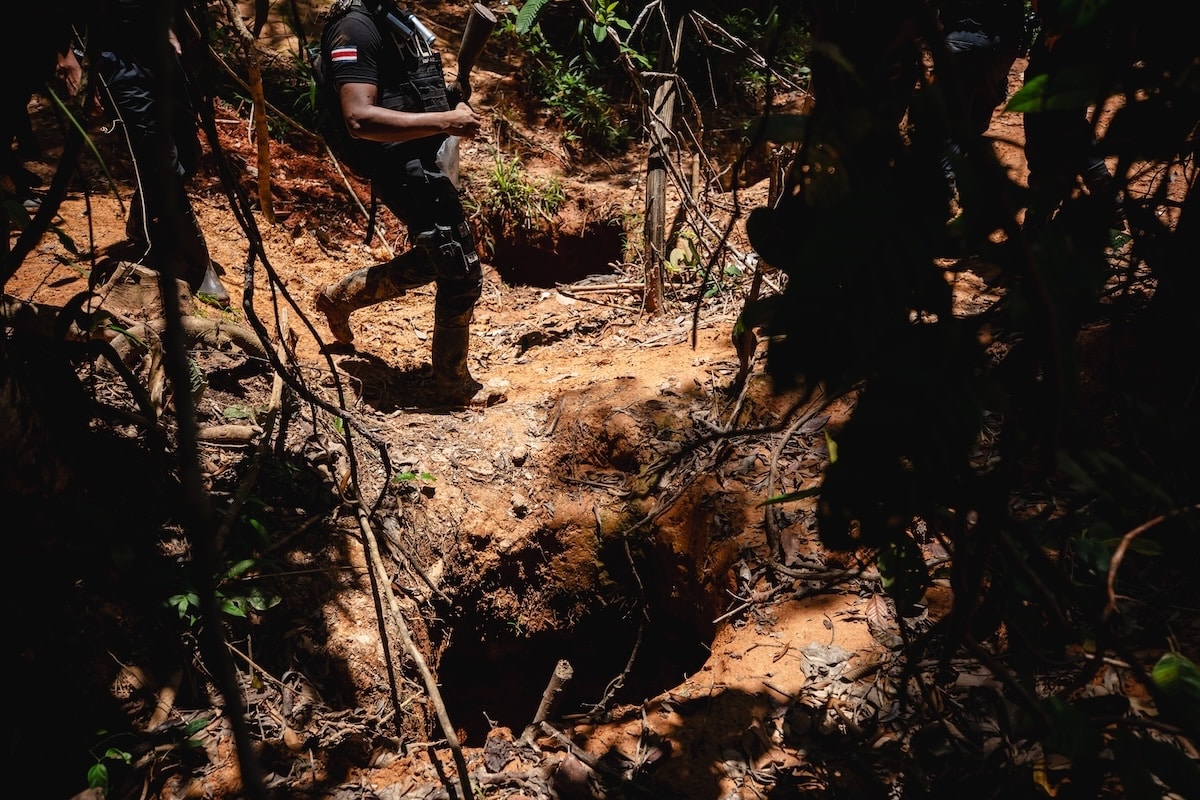
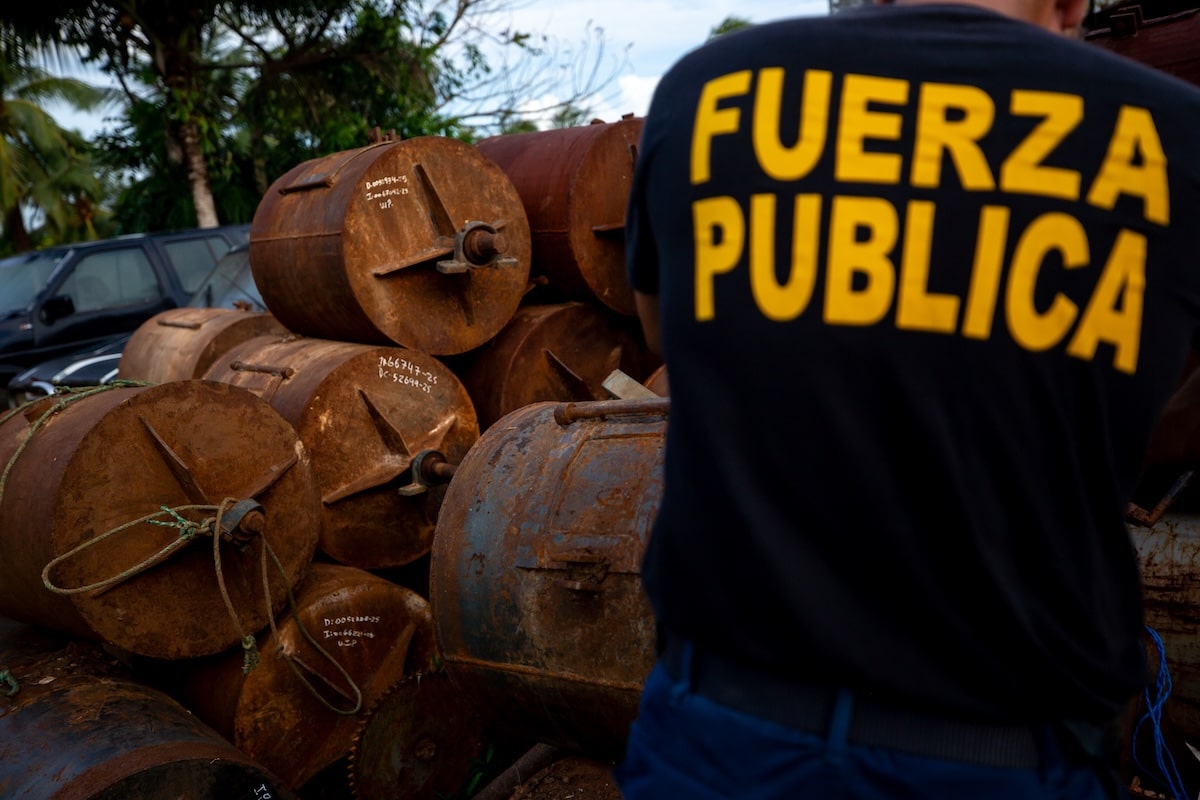
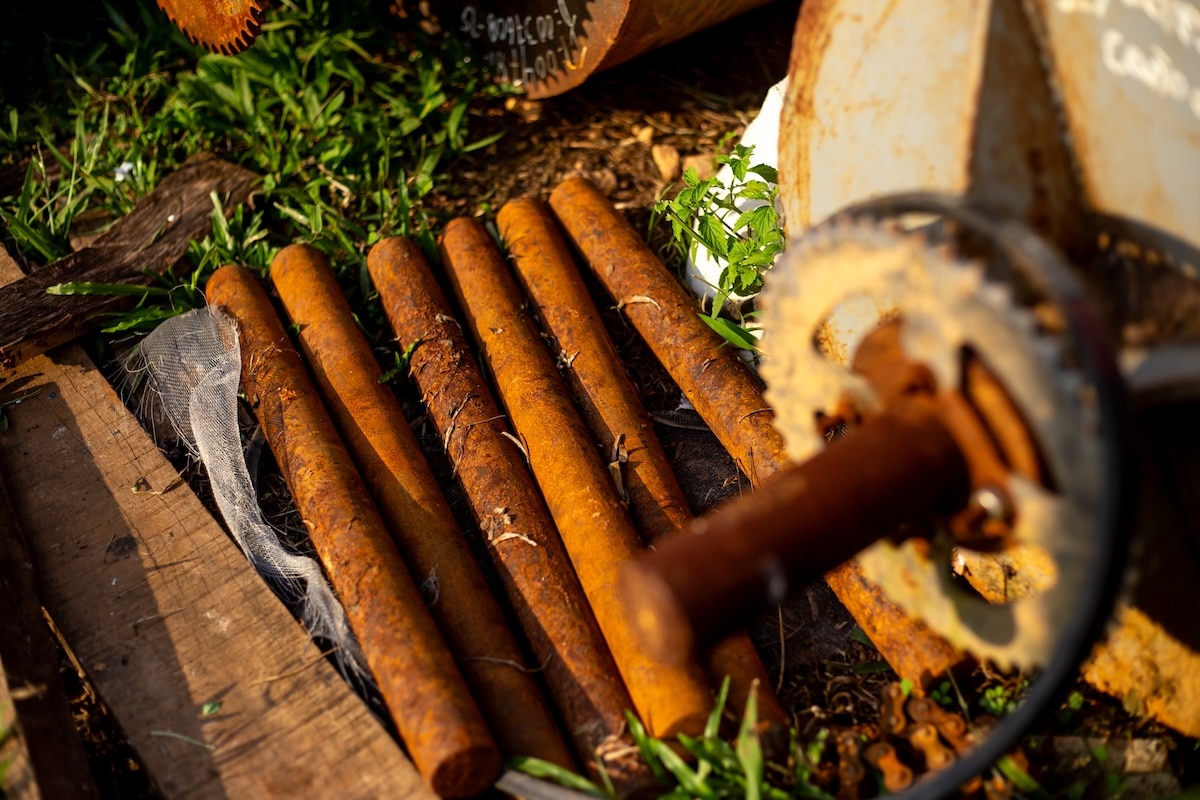
The mercury crosses from Nicaragua into Costa Rica. But the trail is not one-way only. It is rather circular because the metal also travels south from Nicaragua to Abangares, in the Guanacaste province—the only place in Costa Rica with a history of some tolerance for artisanal mining. And in the opposite direction, the same miners who took gold from Crucitas to sell in Abangares returned with mercury.
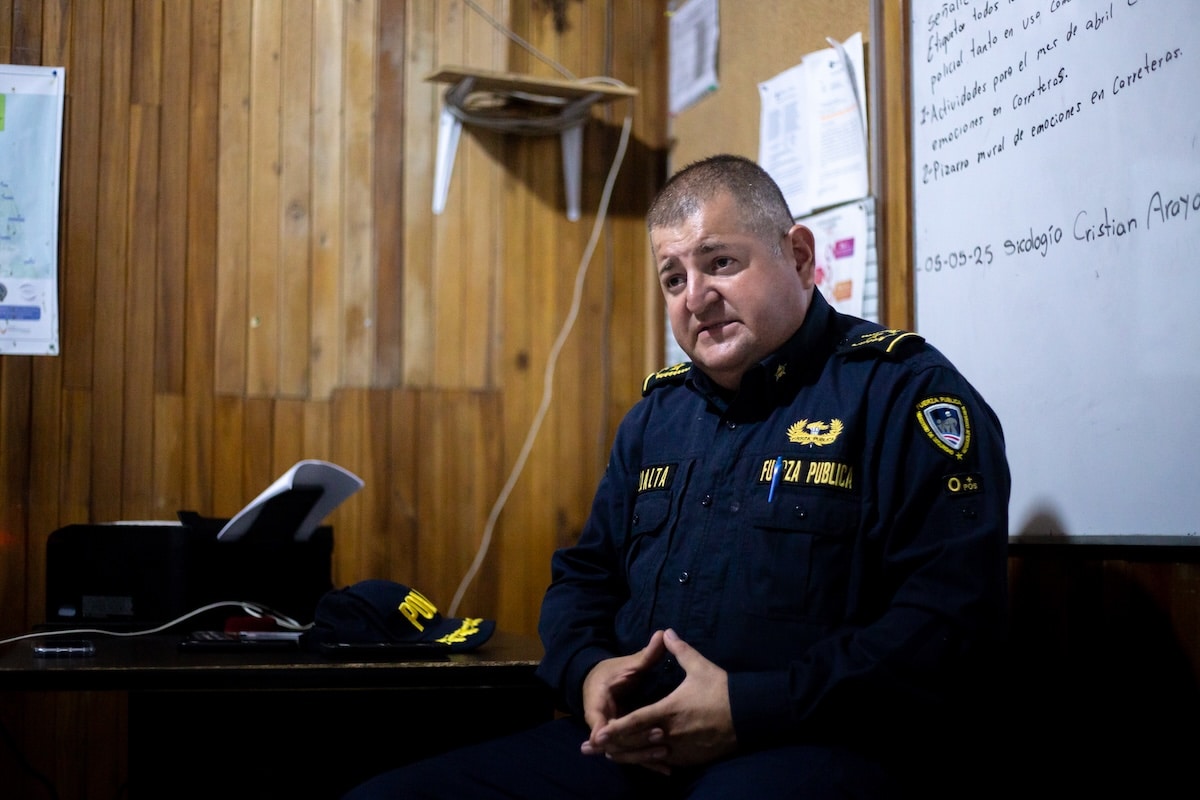
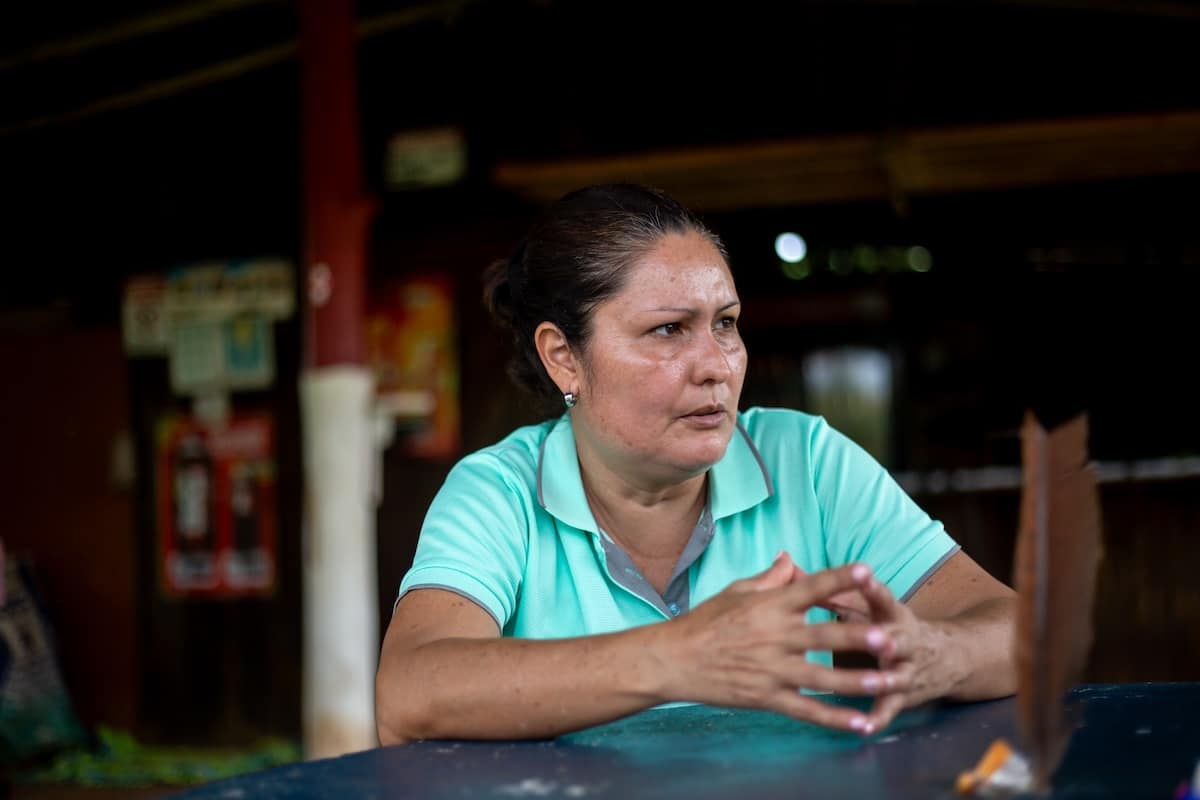
Public Force officer Rubí Villalta, who coordinates the operations in Crucitas since 2016, confirmed to DIVERGENTES another point in the mercury trail: “it may come through criminal organizations that trade in the substance,” either from the Costa Rican side or “from the Indio Maíz area, here to this area.”
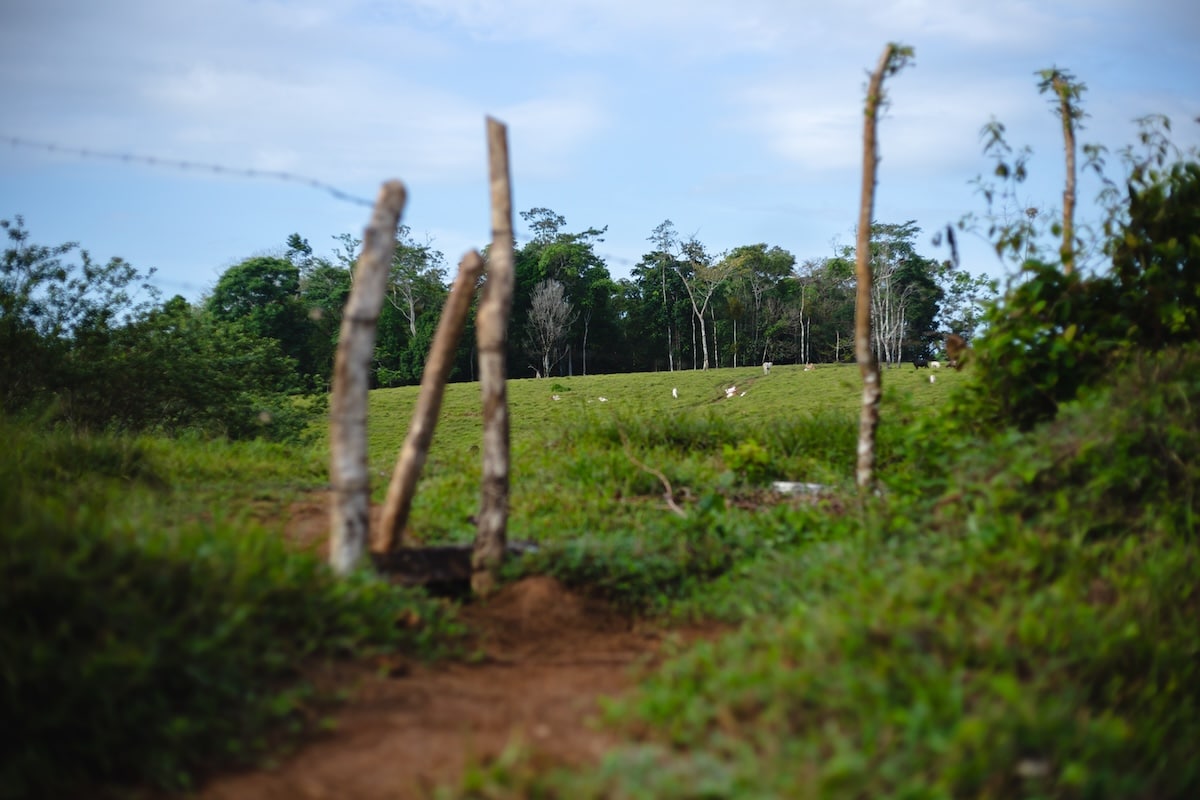
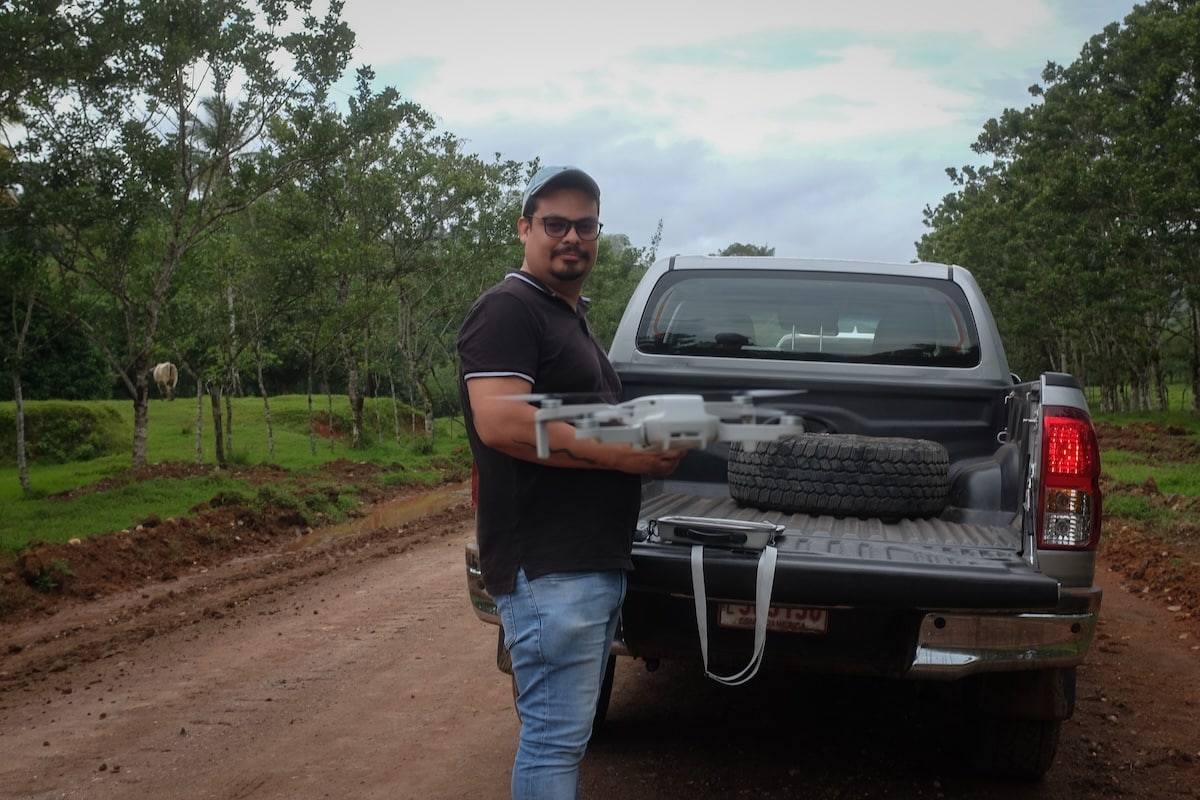
The mercury enters Costa Rican territory via the Río San Juan through blind spots such as the La Venada dock, a muddy cove on the Costa Rican shore where cayucos dock. It also comes in through land routes that bypass the police cordon, including from Upala, where some Costa Rican supplies are loaded onto boats on the Río San Juan to reach Crucitas via the Las Chorreras area. Artisanal miners have a network of informants who monitor every move of the Public Force moves in the Cutris district and neighboring districts, and they communicate via WhatsApp in real time.
Neri, a member of the Crucitas Development Association, describes it from his window: some days no one comes by, and other days the activity is intense. “We’ve counted up to 300 people in a single morning entering from here, from this area of the Río San Juan, toward the hill,” he says.
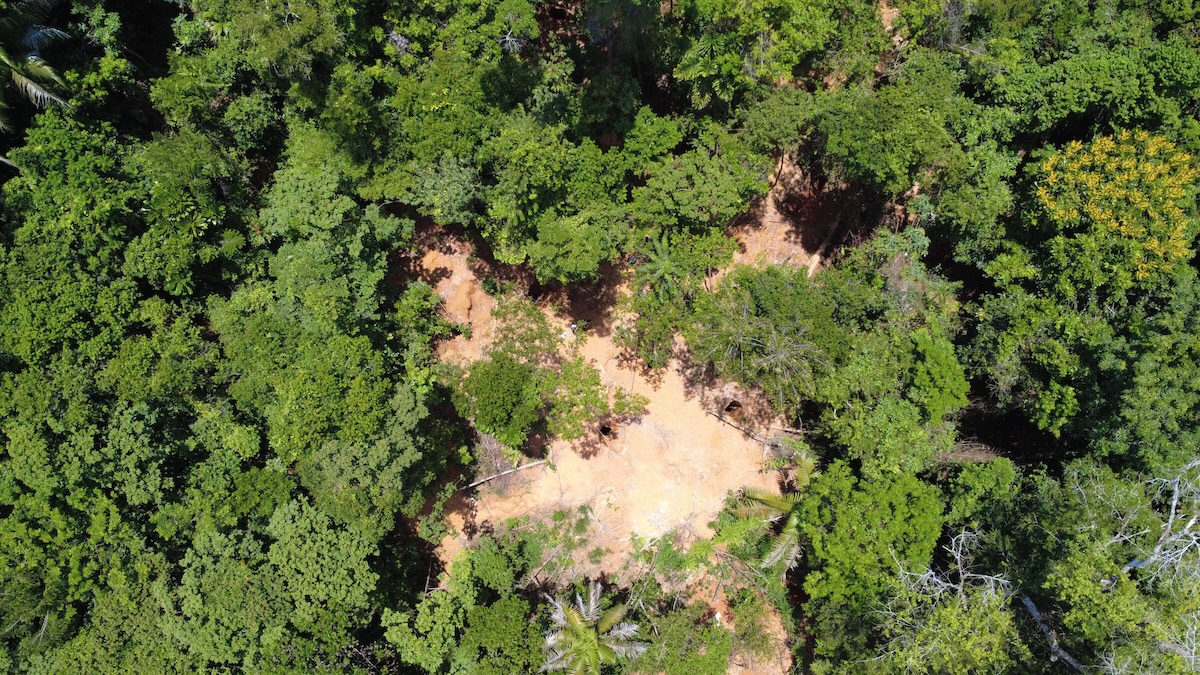
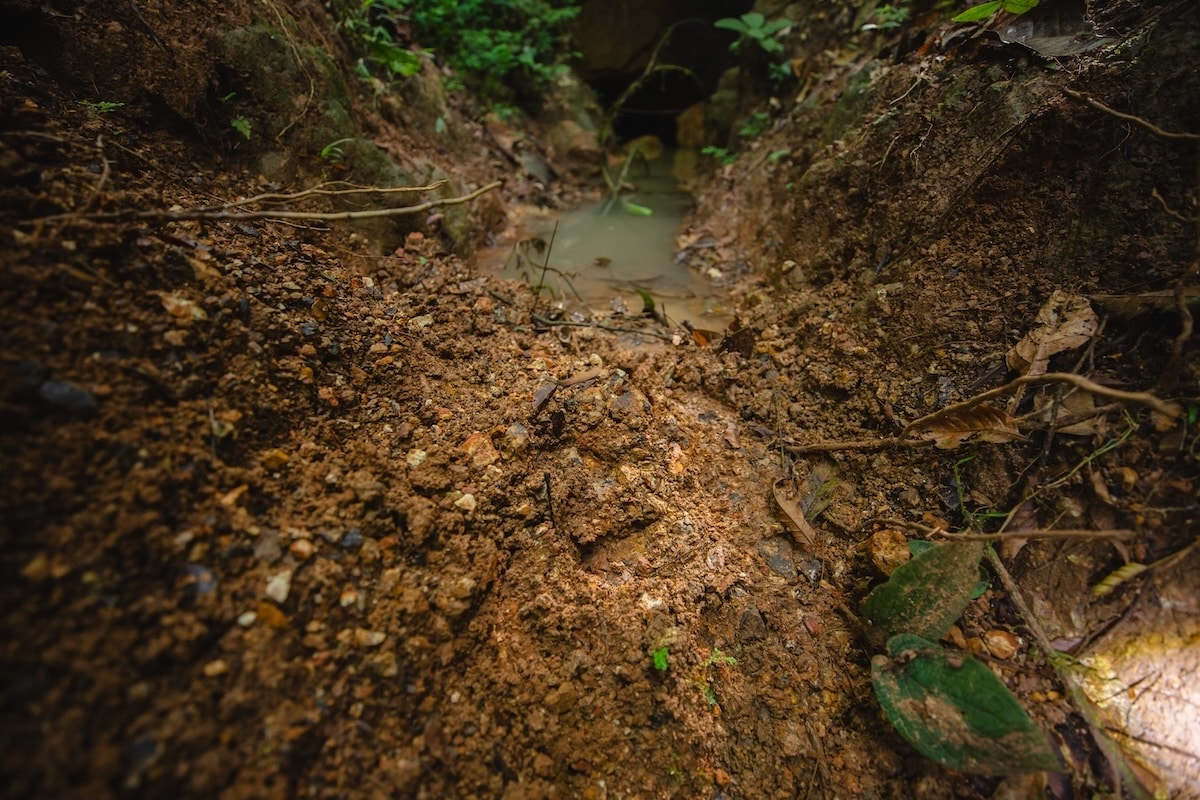
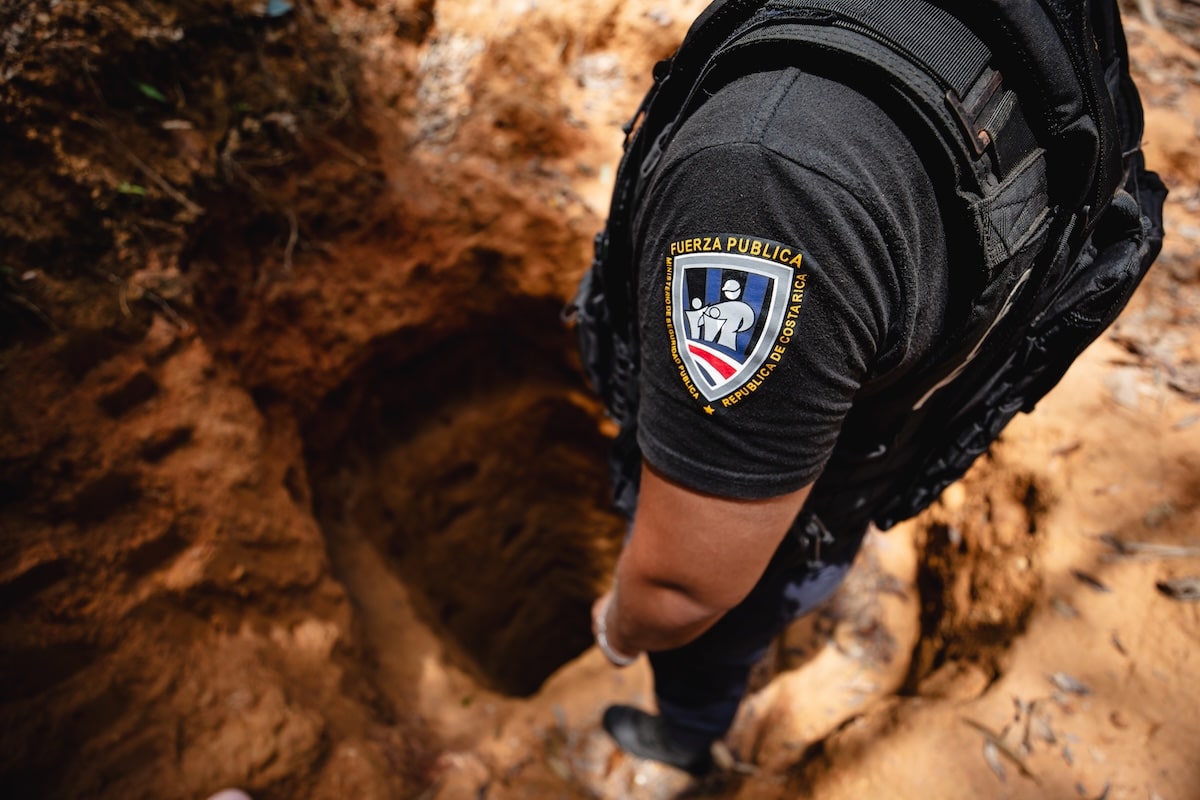
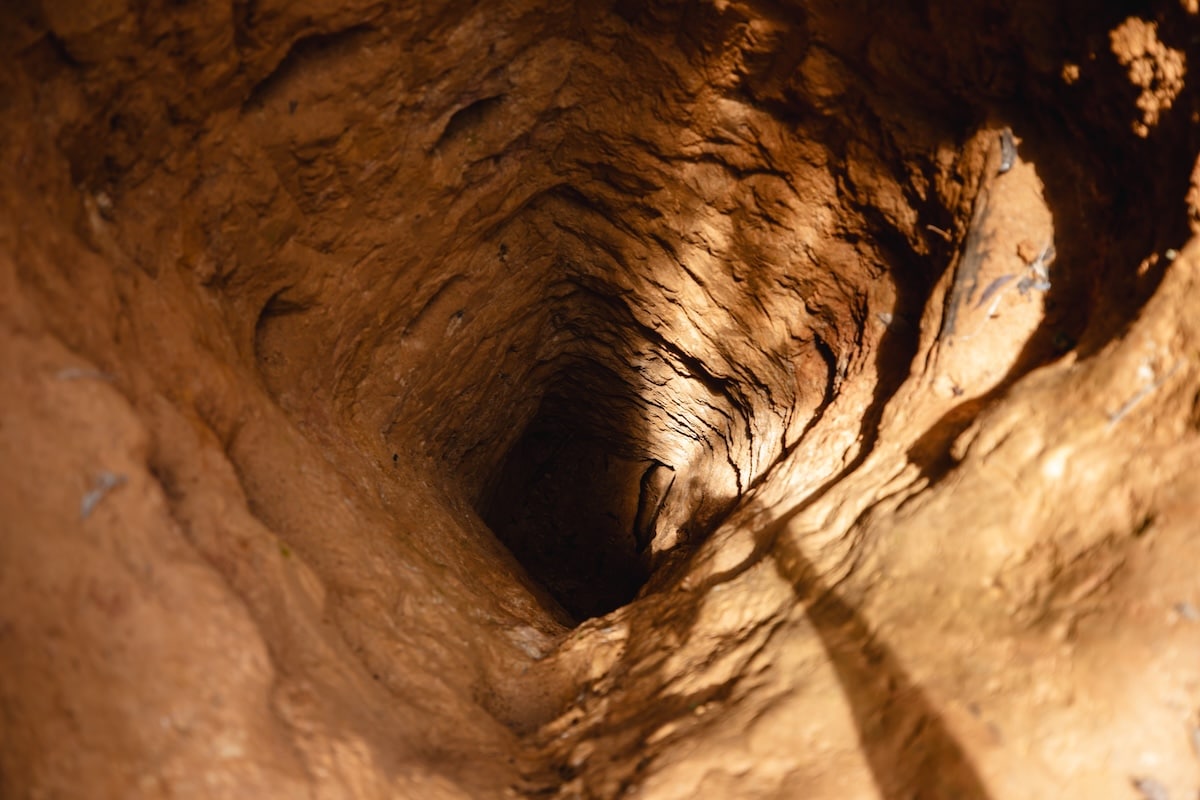
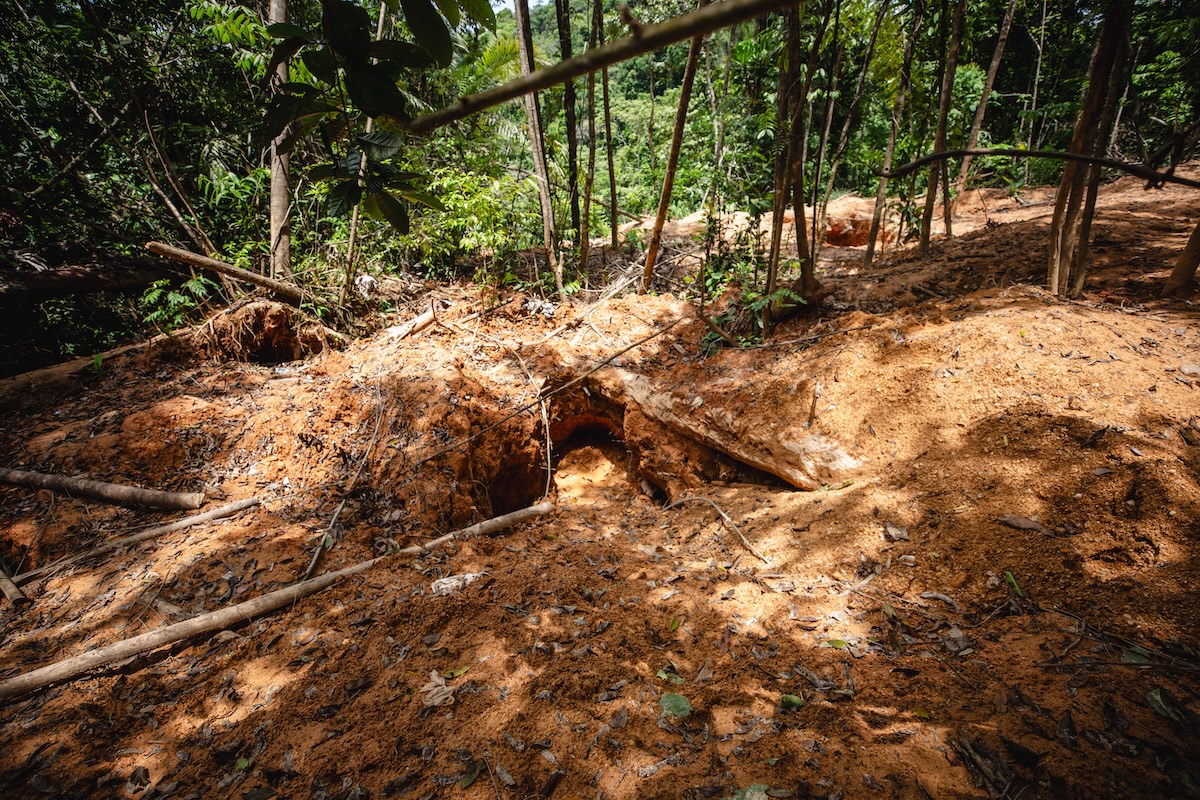
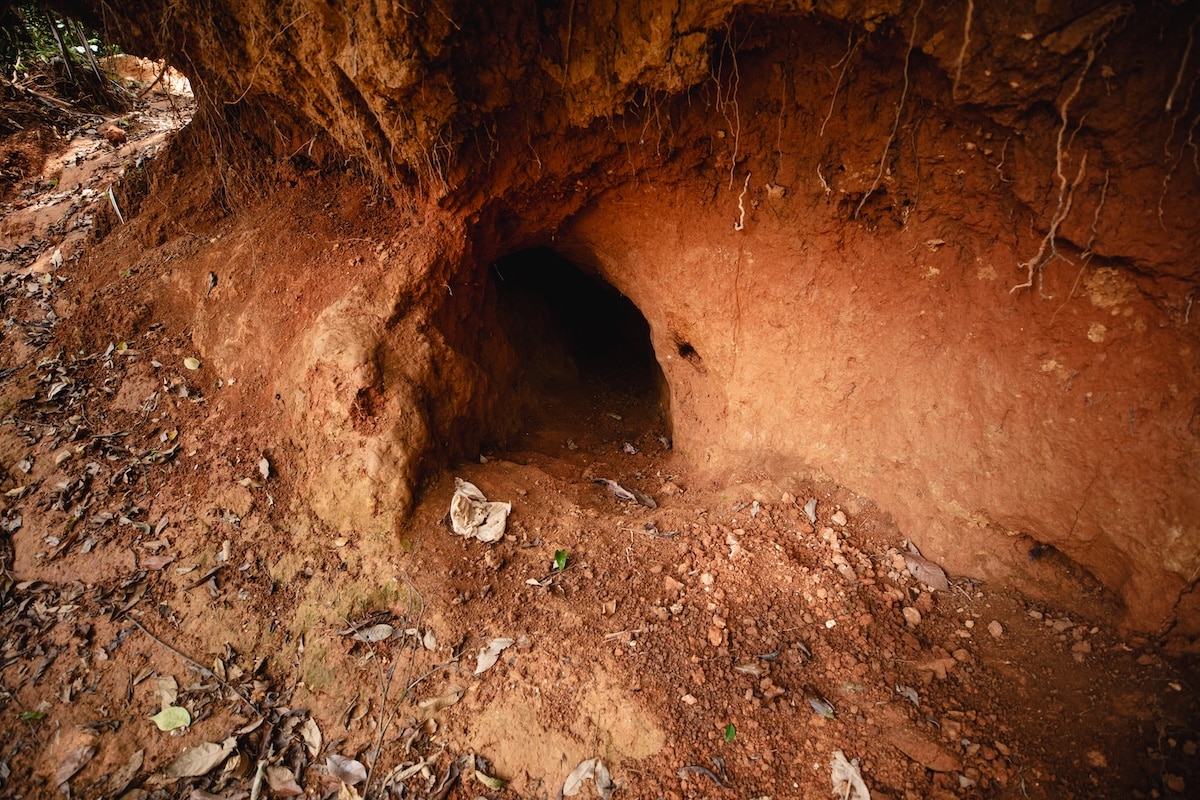
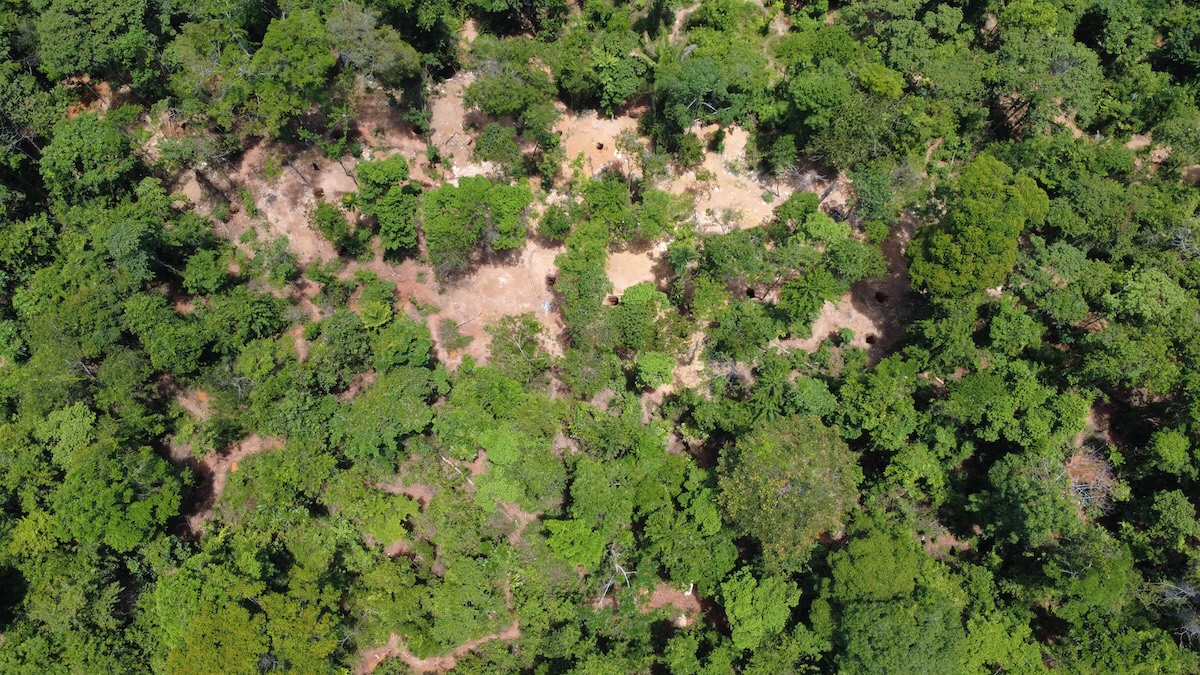
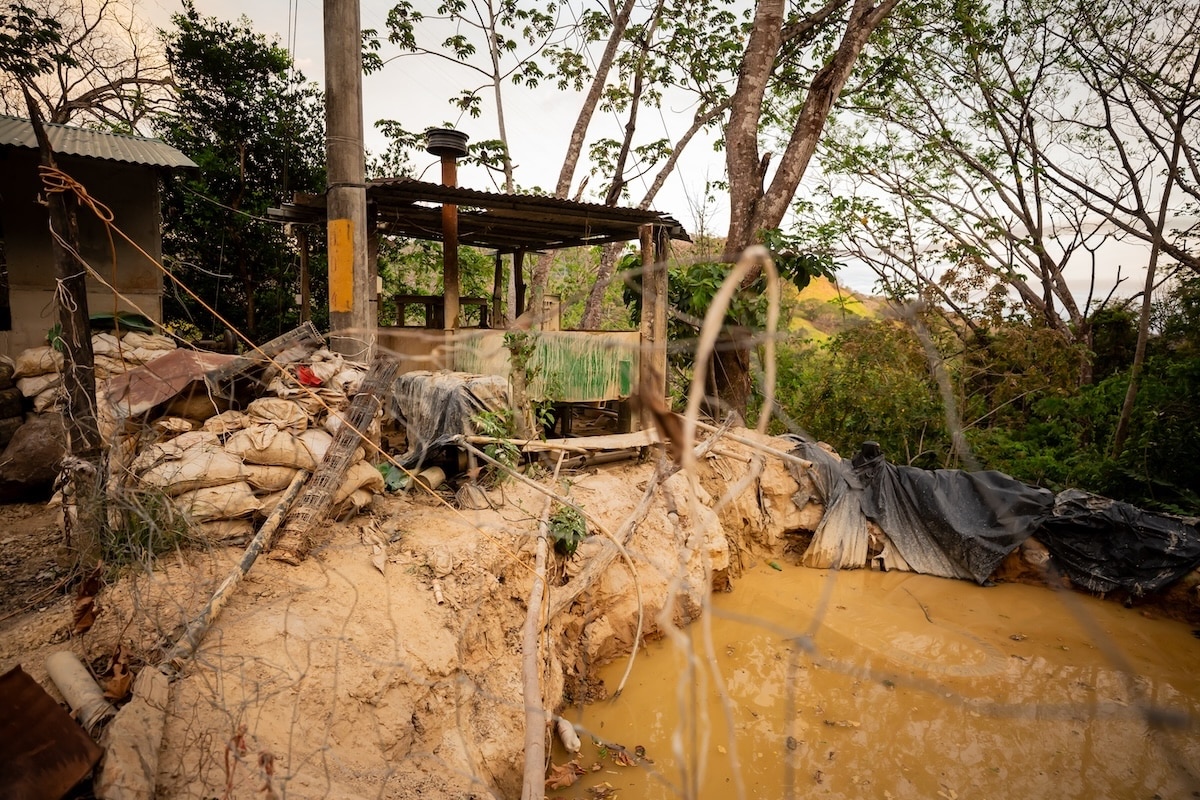
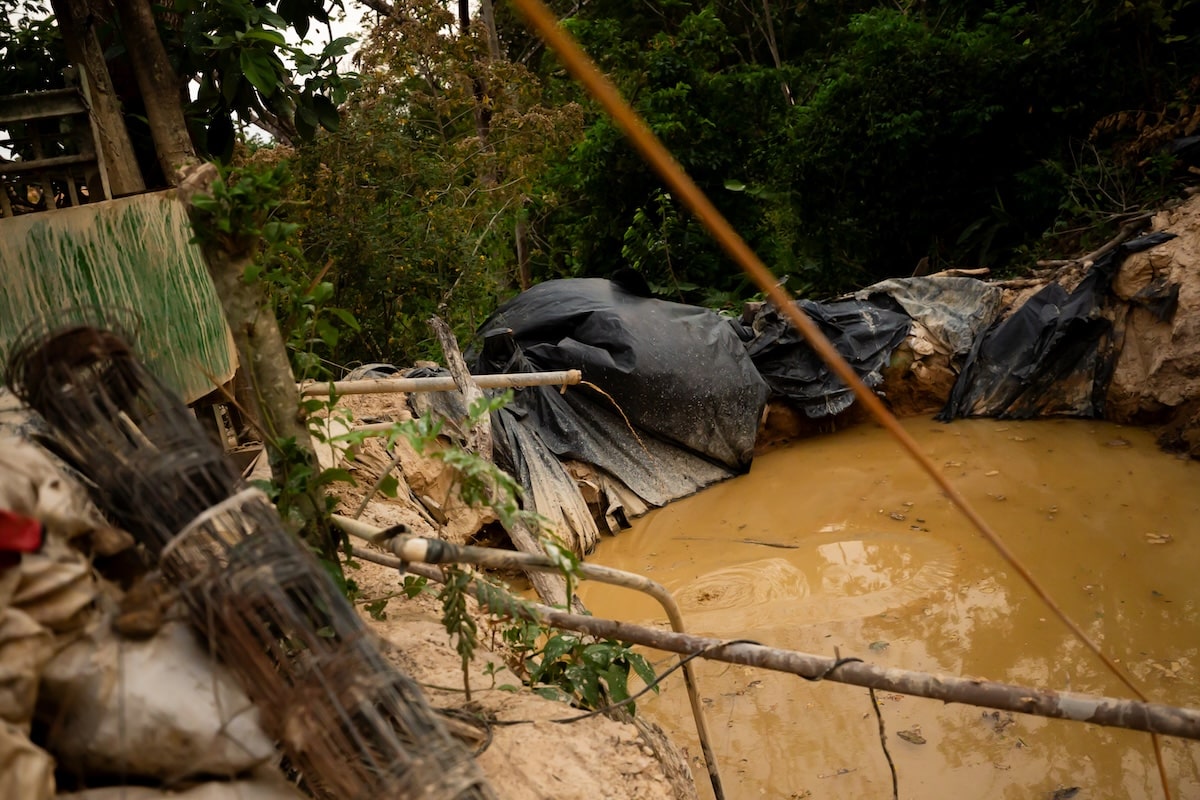
They are the “coligalleros”—mostly Nicaraguans—who cross the river and walk through private farms to the mining sites. Each of them knows their role. Some dig tunnels up to 80 meters (262 ft) deep using rotary hammers. Others load the sacks with mined material and carry them down the hill. Mules take them up until the paths where vehicles wait—mainly Isuzu Troopers—who transport the material to Abangares to process it. In other cases, there are processing pits right on Crucitas Hill. And at some point in that chain, someone always opens a dropper labeled “Made in Mexico” and pours the mercury into the pit where the debris separates from the gold.
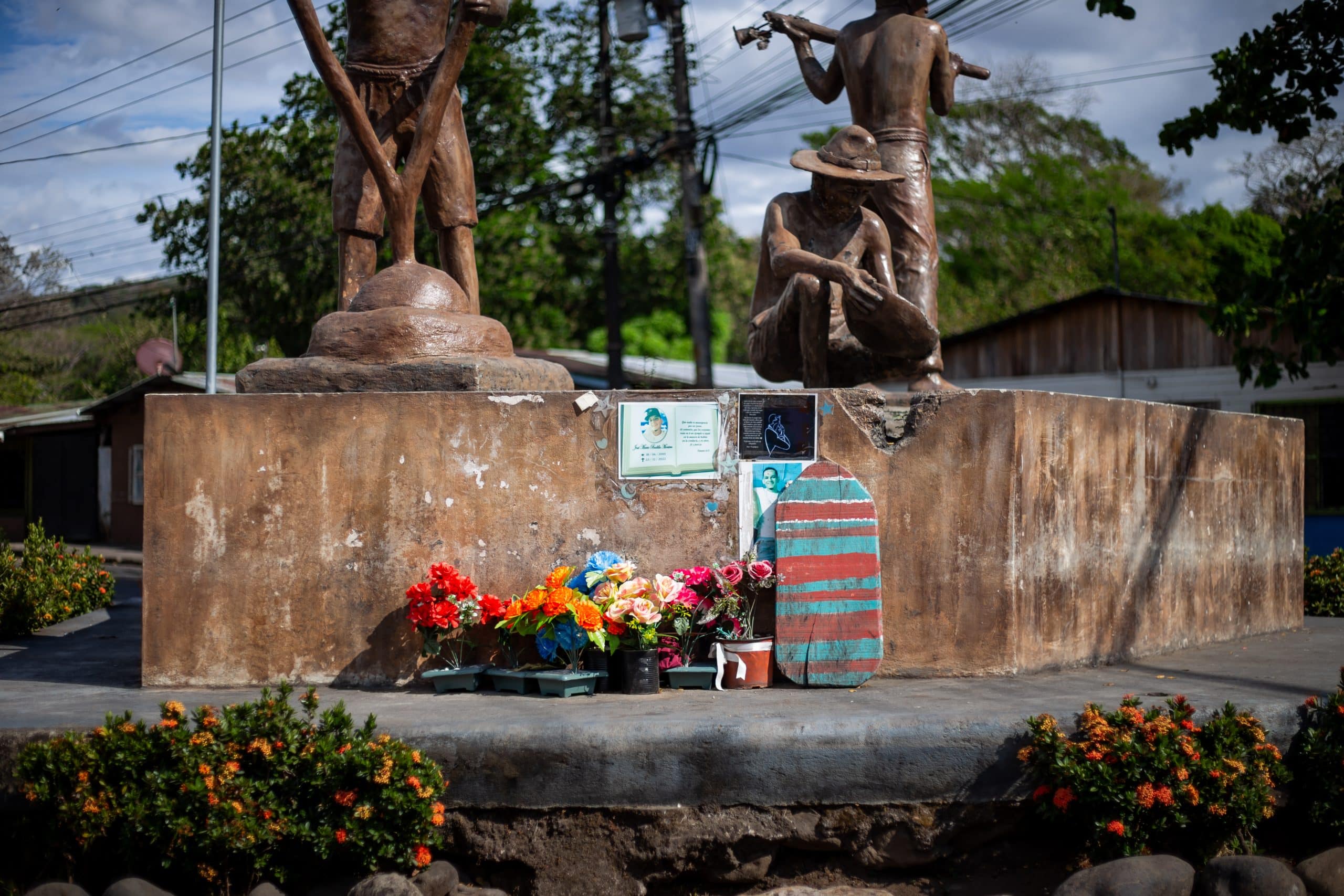
Mining activity has sparked a diplomatic crisis between Managua and San José. In a previous report, DIVERGENTES documented how “güiriseros” cross the Río San Juan for the price of 30 córdobas—less than a dollar at Nicaragua’s official exchange rate—in order to dig in Costa Rican soil, while the Public Force tries to contain them in an unequal battle. Tensions between the two countries were quick to arise.
In early March 2026, President Rodrigo Chaves took the issue to Mar-a-Lago, Donald Trump’s estate in Florida, amid growing pressure from Washington on the Ortega and Murillo regime. Nicaragua responded by deploying surveillance in the area, but the flow of artisanal miners, gold, and mercury continues, according to local sources consulted for this report.
China Has Fueled the “Güiriseros” Gold Rush
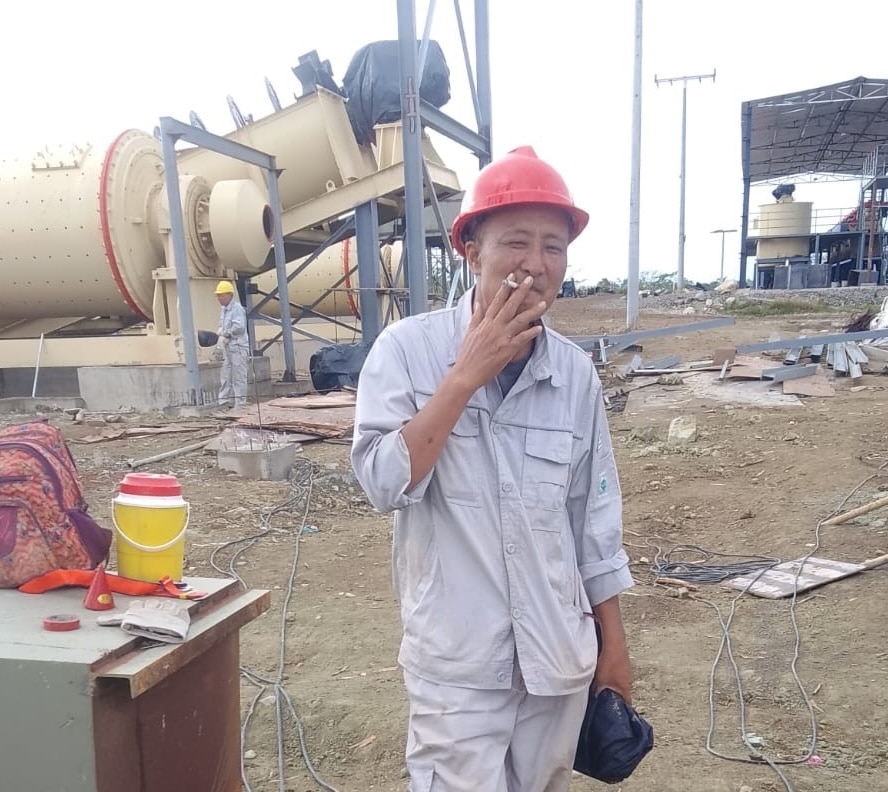
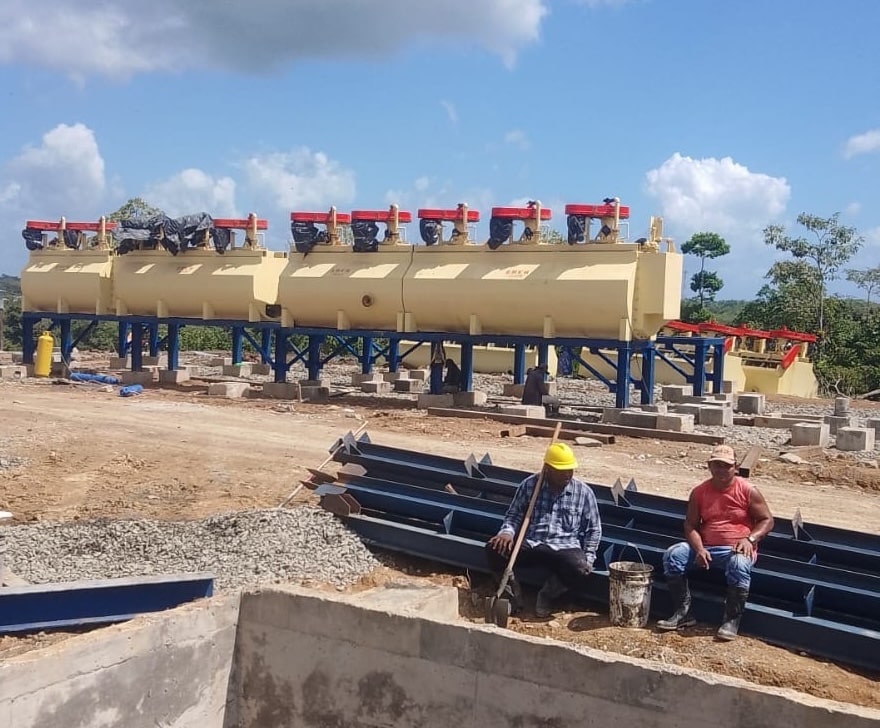
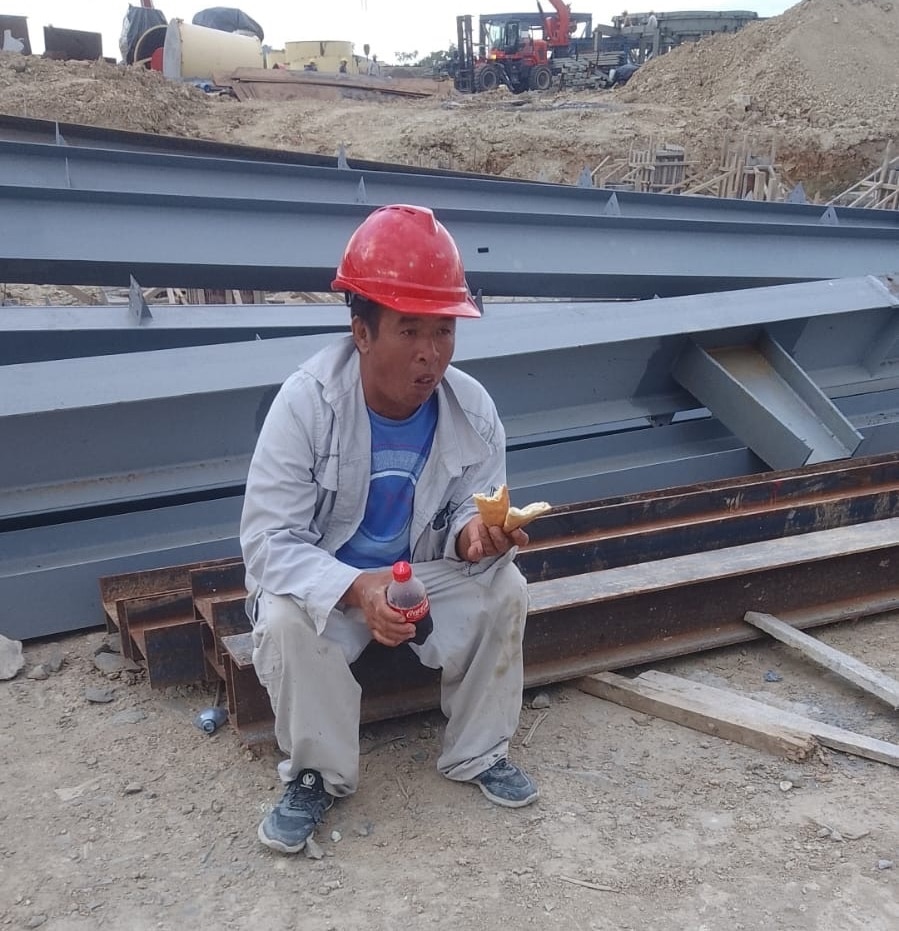
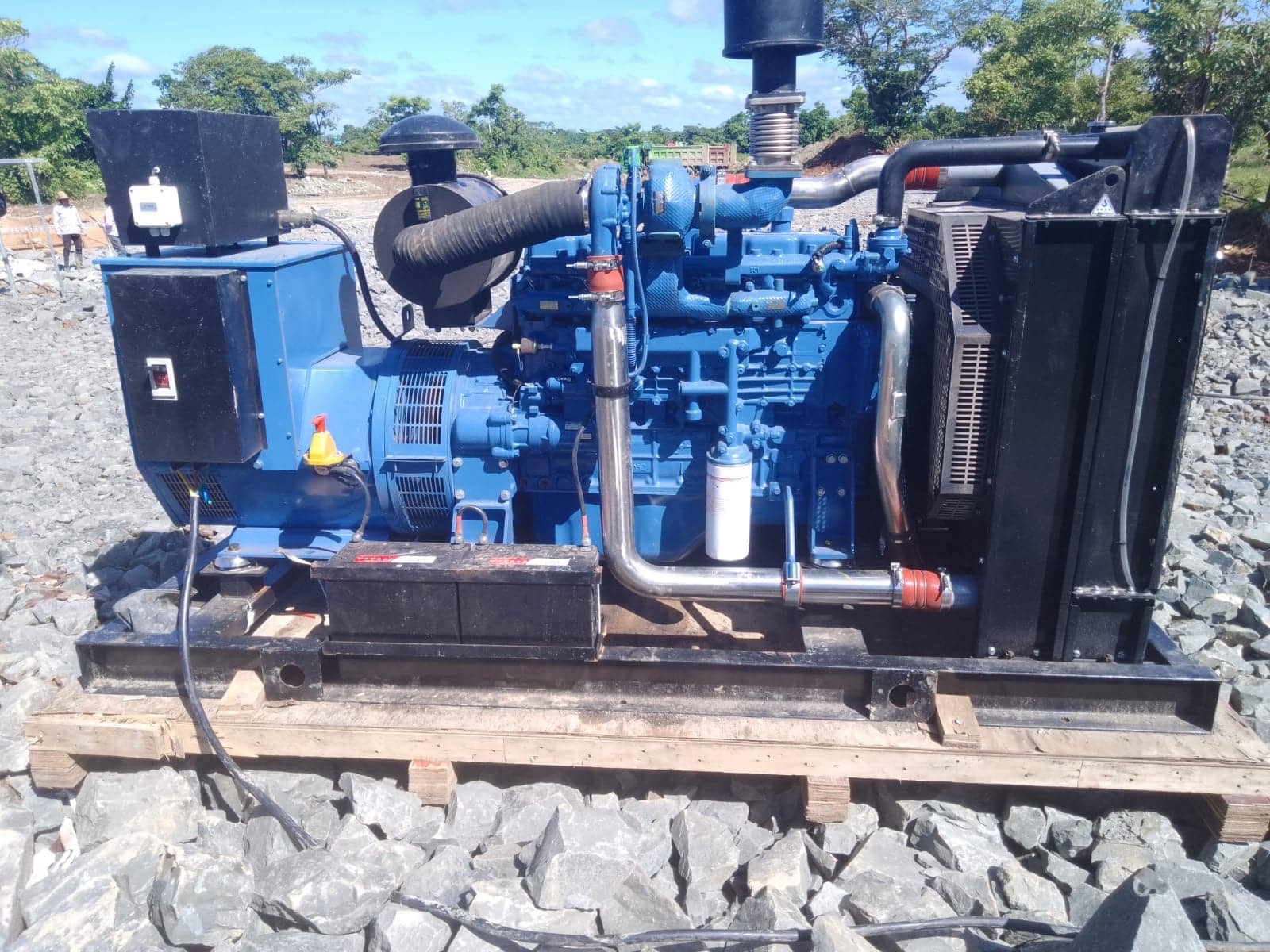
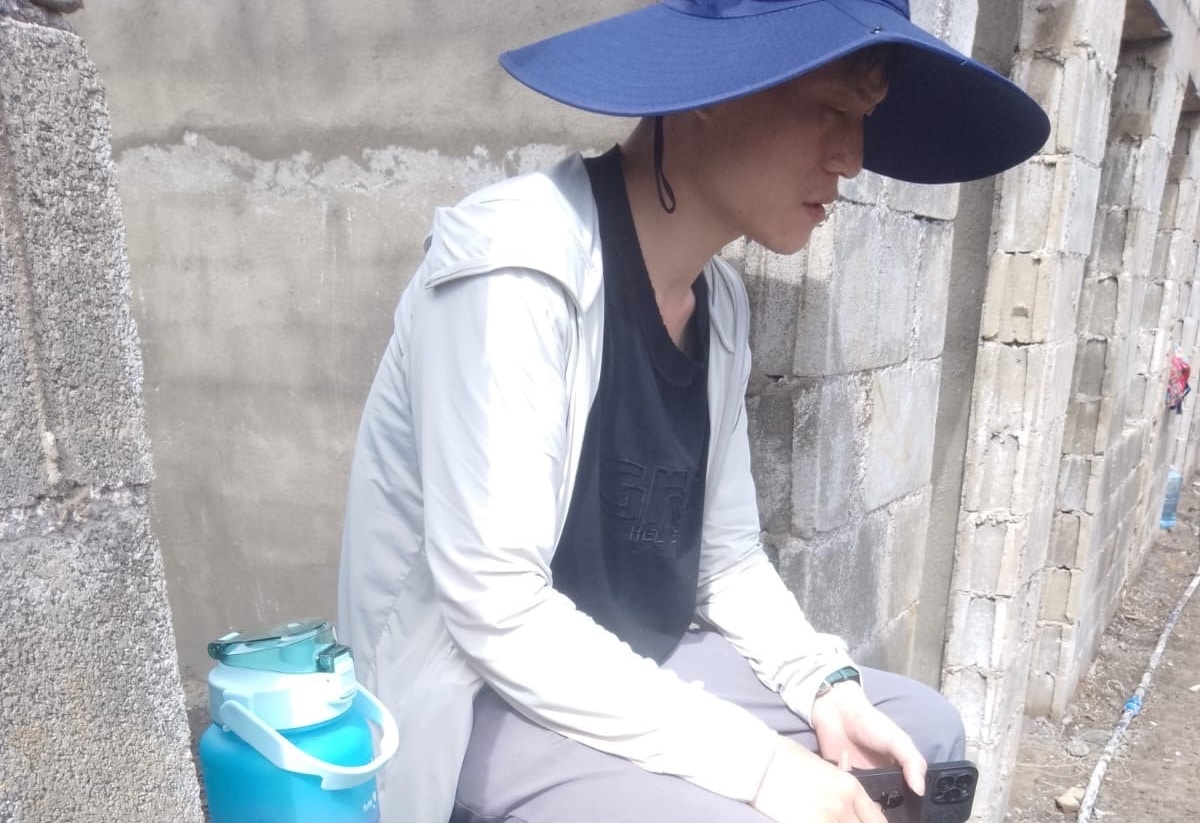
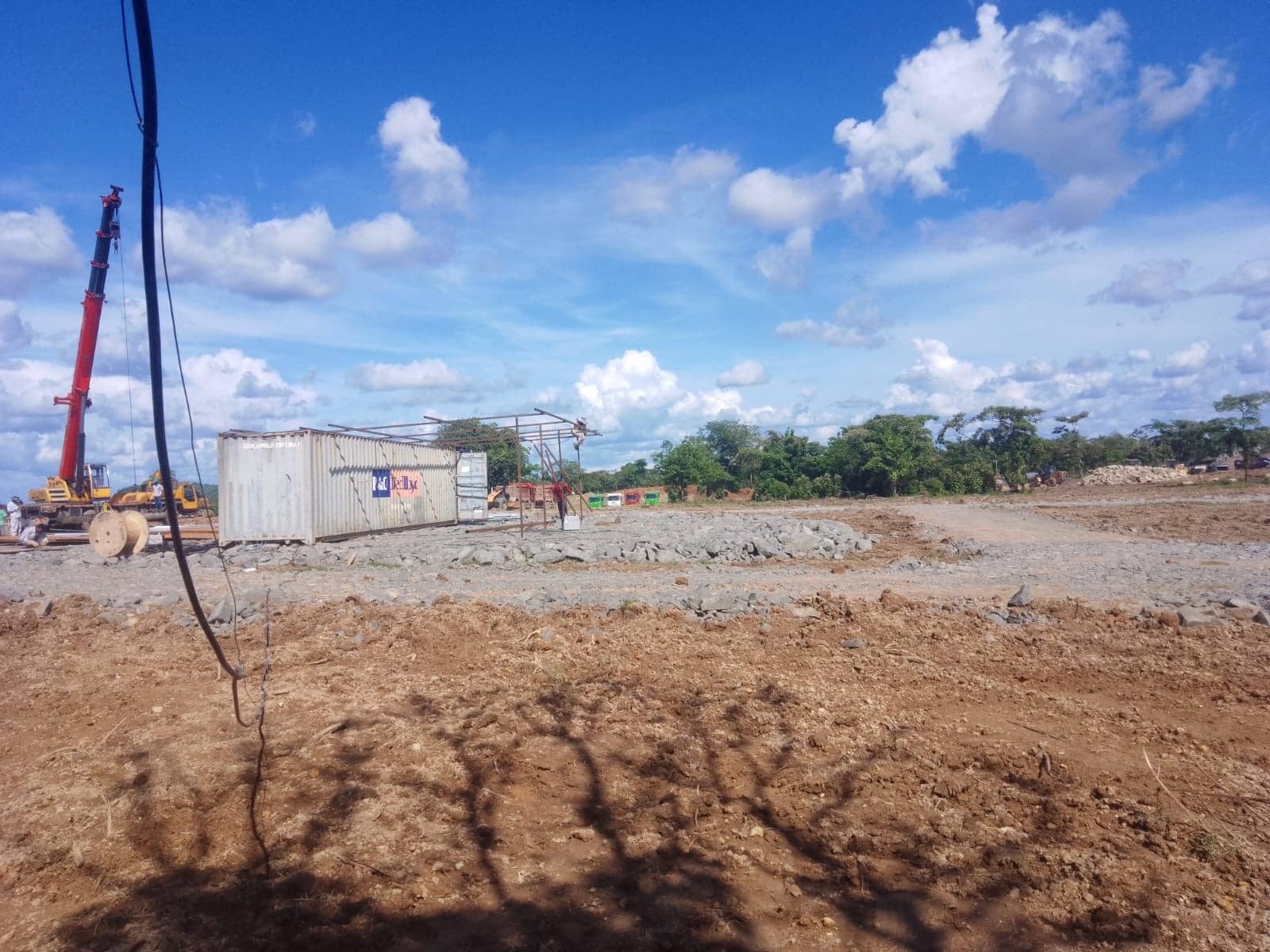
Although artisanal mining in this region of southeastern Nicaragua has been causing conflicts in protected reserves for decades, the industry has skyrocketed over the past five years. The catalyst has been the massive influx of Chinese companies into Nicaragua’s mining sector. Fundación del Río reports that the co-presidential regime has granted 71 mining concessions to 15 Chinese companies, which now control 1,013,225 hectares—equivalent to 8.5% of the national territory.
Among the Chinese companies, Thomas Metal Sociedad Anónima stands out as the one with the largest concession area, covering 228,272 hectares. Two of its mining concessions, El Castillo and La Guinea, are located in the heart of the Indio Maíz Biological Reserve, granted just two months after the regime passed a law in May 2025 that opened protected areas to mining.
To achieve this legal goal, the co-presidential duo amended at least five legal regulations between 2022 and 2025. They eliminated environmental impact studies, abolished public consultations, and stripped municipalities of their authority to issue environmental rulings.
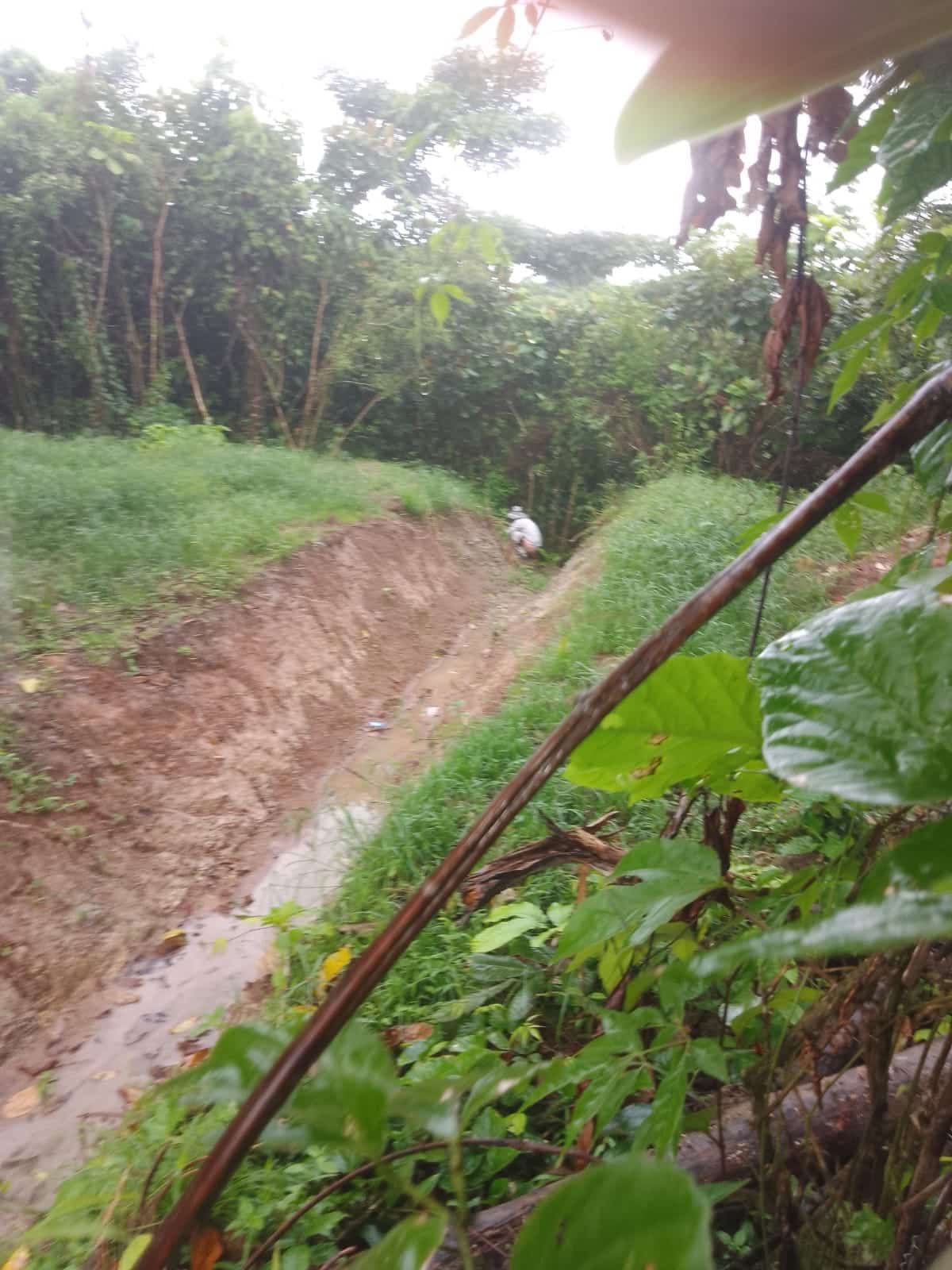
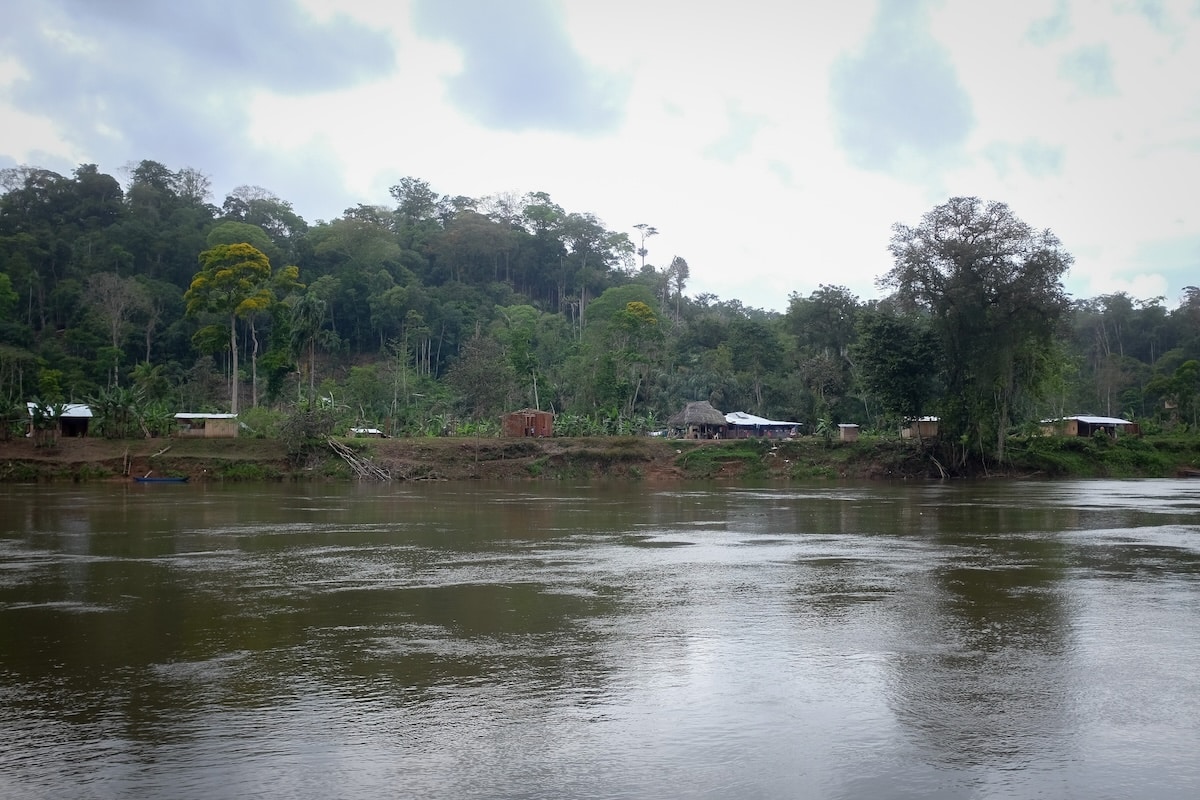
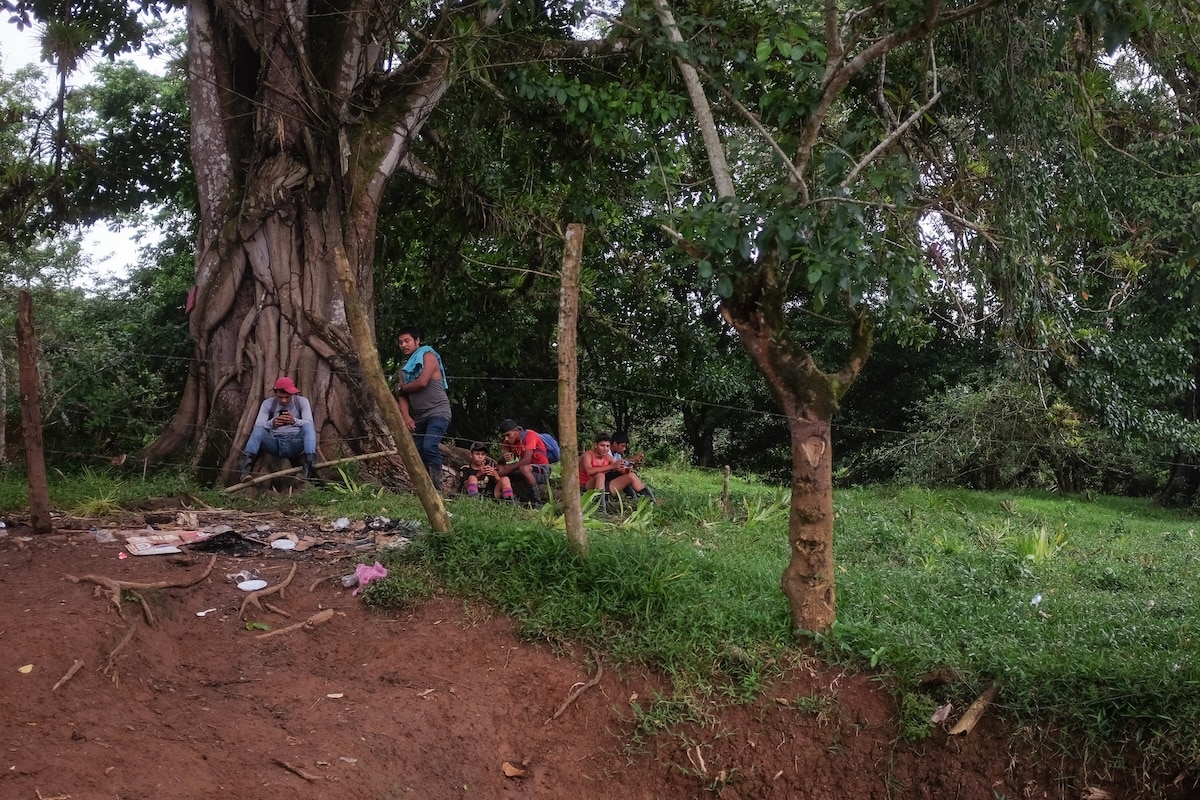
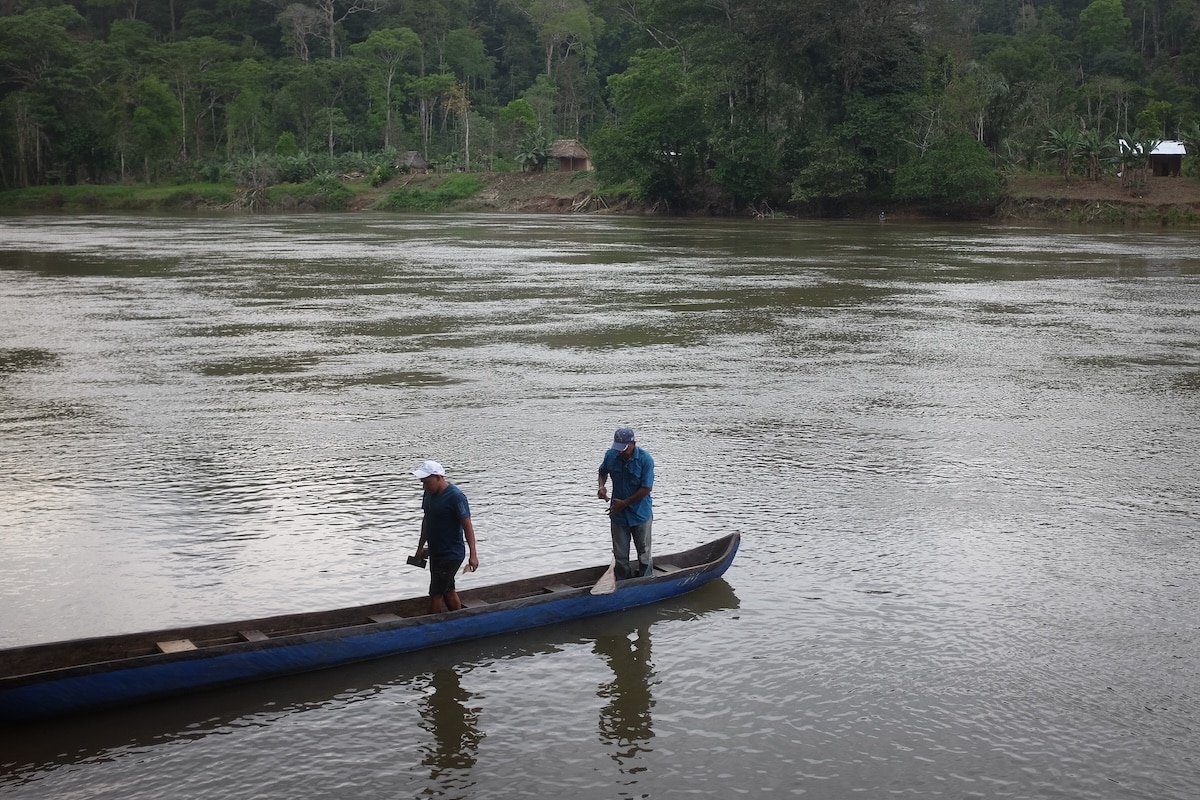
The expansion of Chinese industrial mining does not occur in a vacuum. In its shadow, artisanal mining is also growing, feeding off the same land and the Sandinista regime’s impunity. In southeastern Nicaragua, along the strip bordering the Río San Juan and the Indio Maíz Reserve, güiriseros have expanded their operations, crossing over to the Costa Rican side in search of gold. From the pier at La Venada, on the Costa Rican bank of the Río San Juan, the cayucos can be seen arriving.
In Crucitas, the Costa Rican Public Force counts some mornings more than 200 people entering the hillside. All this activity requires a supply that cannot be found in any hardware store with a visible name: mercury, which could previously be acquired in small quantities in jewelry shops. Currently, there are only mercury dealers.
Chinese companies are encouraging artisanal mining more than ever, thanks to the legal and administrative incentives provided by the Sandinista regime. For example, three kilometers from the town center of Rosita, in the Tipispan area, the Chinese company Santa Rita Mining S.A. posted a sign next to a trail aimed at the local güiriseros. The message is clear: they buy minerals, copper, and gold. The contact numbers are there for anyone who wants to call.
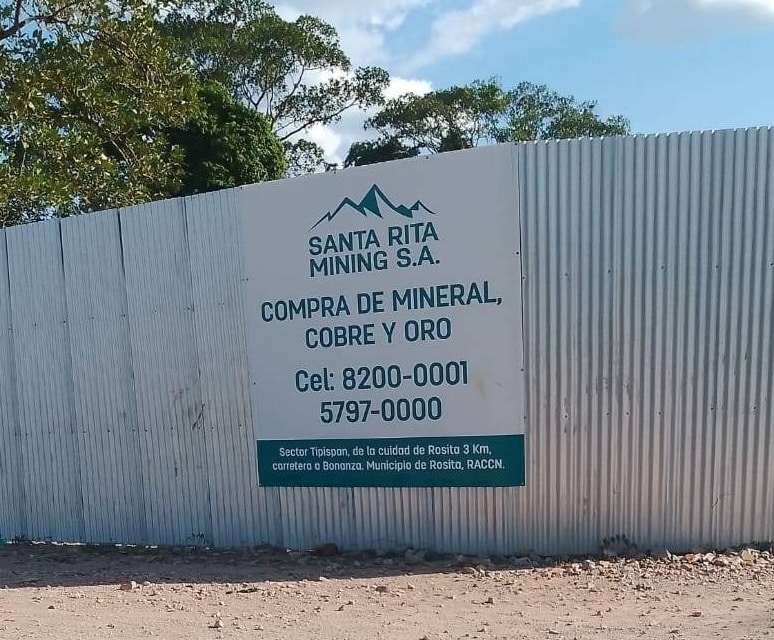
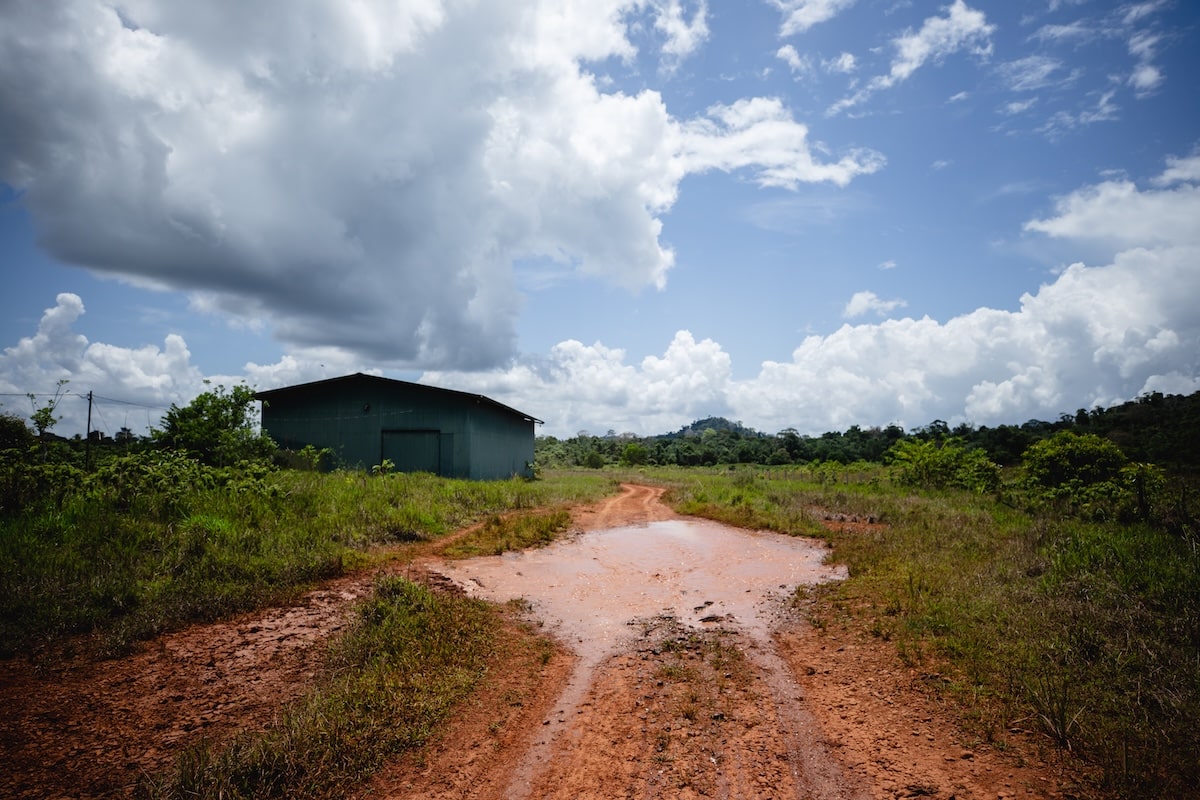
This company, which the Ortega-Murillo regime granted a concession to in March 2019 covering 3,356 hectares of a large part of the town of Rosita and the Mayangna Tuahka Territory, exported $9.47 million worth of metals to China between December 2024 and November 2025. It is not the only one. Chinese companies not only extract ore from their own concessions but also illegally purchase the ore that güiriseros extract wherever they can, including that which crosses the Río San Juan from Crucitas. In other words, by purchasing artisanal ore, the traceability of the gold they later export is lost, and that, in theory, is not permitted in international markets.
The Thomas Metal Case in Indio Maíz
This informal market for buying and selling gold dust is one of the driving forces behind the mining invasion on the Costa Rican side. The Las Cruces camp, located within Thomas Metal S.A.’s La Guinea plot, less than 300 meters (984 ft) from the border with Costa Rica, is home to between 3,000 and 4,000 people who process gold illegally extracted from Crucitas and Conchudita, that is, Costa Rican territory.
The ore is transported across the Río San Juan by cayuco, and on the other side, an entire infrastructure is ready to receive it. Chinese industrial mining and illegal artisanal mining are not separate phenomena along this border. They feed off each other, according to dozens of interviews with local miners and experts on the subject who requested anonymity for this report.
Behind this scheme are Chinese companies whose operations are shrouded in secrecy. As documented by Fundación del Río in a March 2026 report, most Chinese mining companies active in Nicaragua are newly established, have no websites, are not listed on stock exchanges, and have not provided proof of experience in the mining sector.
Records from Nicaragua’s Financial Analysis Unit (or UAF, by its initials in Spanish) confirm the pattern: of the 16 Chinese companies identified, only four are registered, 11 are not registered, and one has already had its registration revoked. The two companies with the largest number of hectares under concession, Brother Metal and Zhong Fu Development, are not registered with the UAF, the Sandinista agency—allegedly—responsible for preventing money laundering, according to another report by Fundación del Río published in January 2026 in collaboration with Expediente Abierto.
The growth of operations in Las Cruces also marks a shift in the materials used by illegal mining in this border region. As the camp on Thomas Metal S.A.’s property grew to house thousands of people, mercury gave way to cyanide, a more efficient chemical for processing gold on a large scale, but one that requires a pool infrastructure that individual “coligalleros” cannot afford.
Seizures by the Costa Rican Public Force confirm this. In early 2023, authorities seized eight tons of cyanide near the border with Nicaragua, the largest seizure of that chemical in Costa Rica’s recent history. Between January and July 2024, another six tons were seized in Los Chiles. The OIJ had already documented in 2019 that these shipments were coming illegally from Nicaragua, transported by organized groups that also moved mercury along the same route.
The Double Standard With Minamata
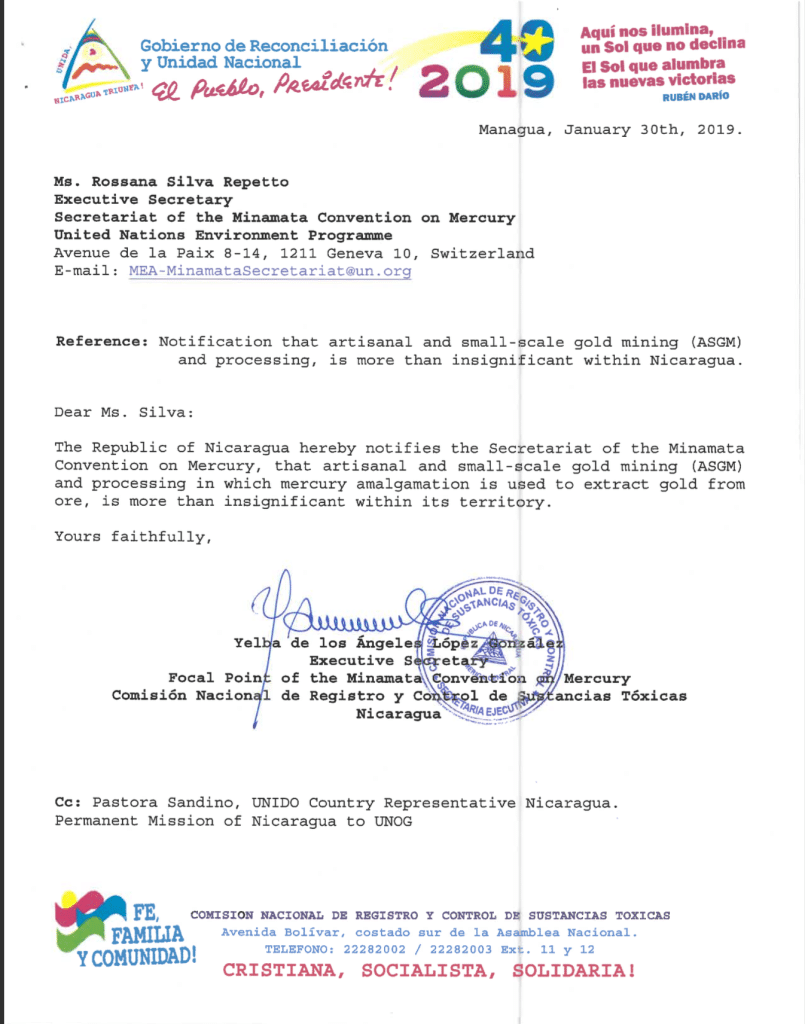
On January 30, 2019, Yelba de los Ángeles López González, the Minamata Convention Focal Point in Nicaragua, signed a letter addressed to the Convention Secretariat in Geneva. The document, barely a paragraph long, formally stated that artisanal and small-scale mining using mercury amalgamation was “more than negligible” in Nicaraguan territory. This was the technical phrase required by the convention to trigger regulatory and reduction obligations. The Ortega-Murillo regime signed it, assumed those obligations, and moved forward with the convention because, among other things, it entailed access to funds.
The Minamata Convention, adopted in 2013 and ratified by Nicaragua in October 2014, is the primary international treaty for controlling mercury, a metal that appears harmless in its liquid form but, when it evaporates, releases vapors that damage the nervous system, the kidneys, and the brain. Its name recalls the tragedy of Minamata, the Japanese city where, in the ’50s, a chemical company dumped mercury into the sea for years, poisoning thousands of people and causing one of the worst environmental disasters of the twentieth century.
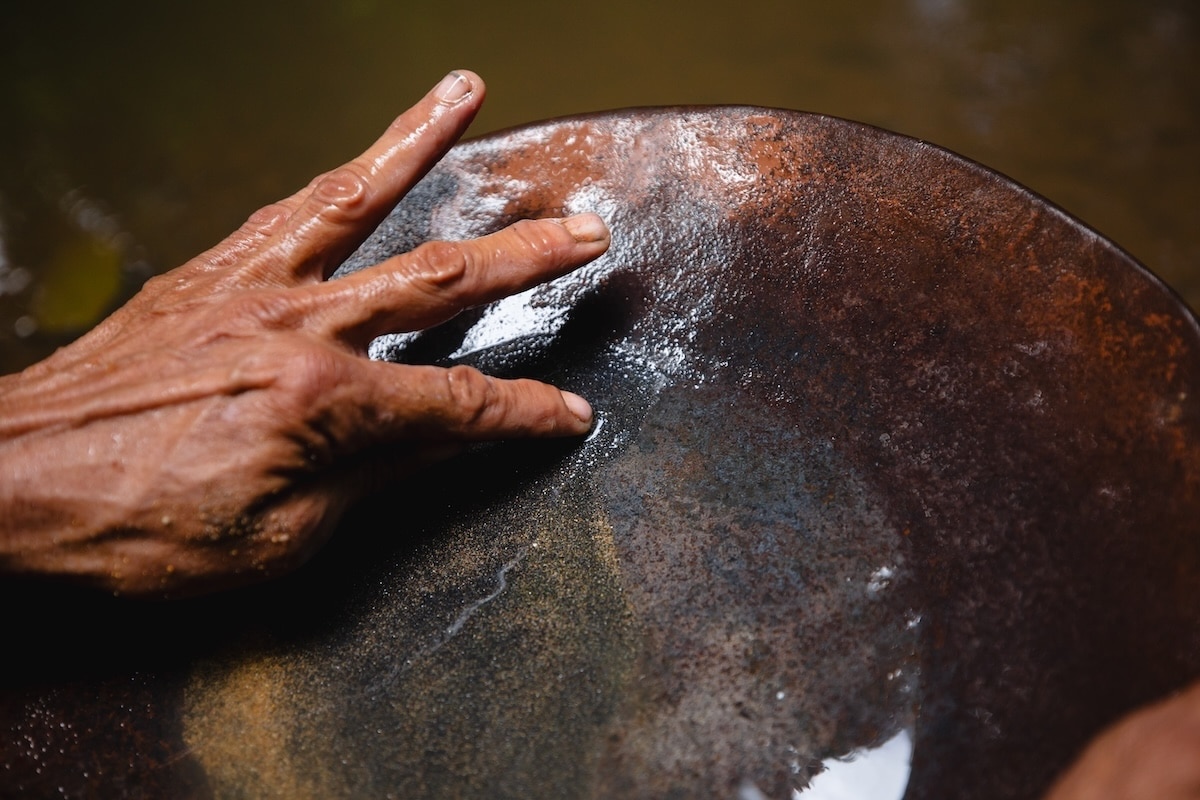
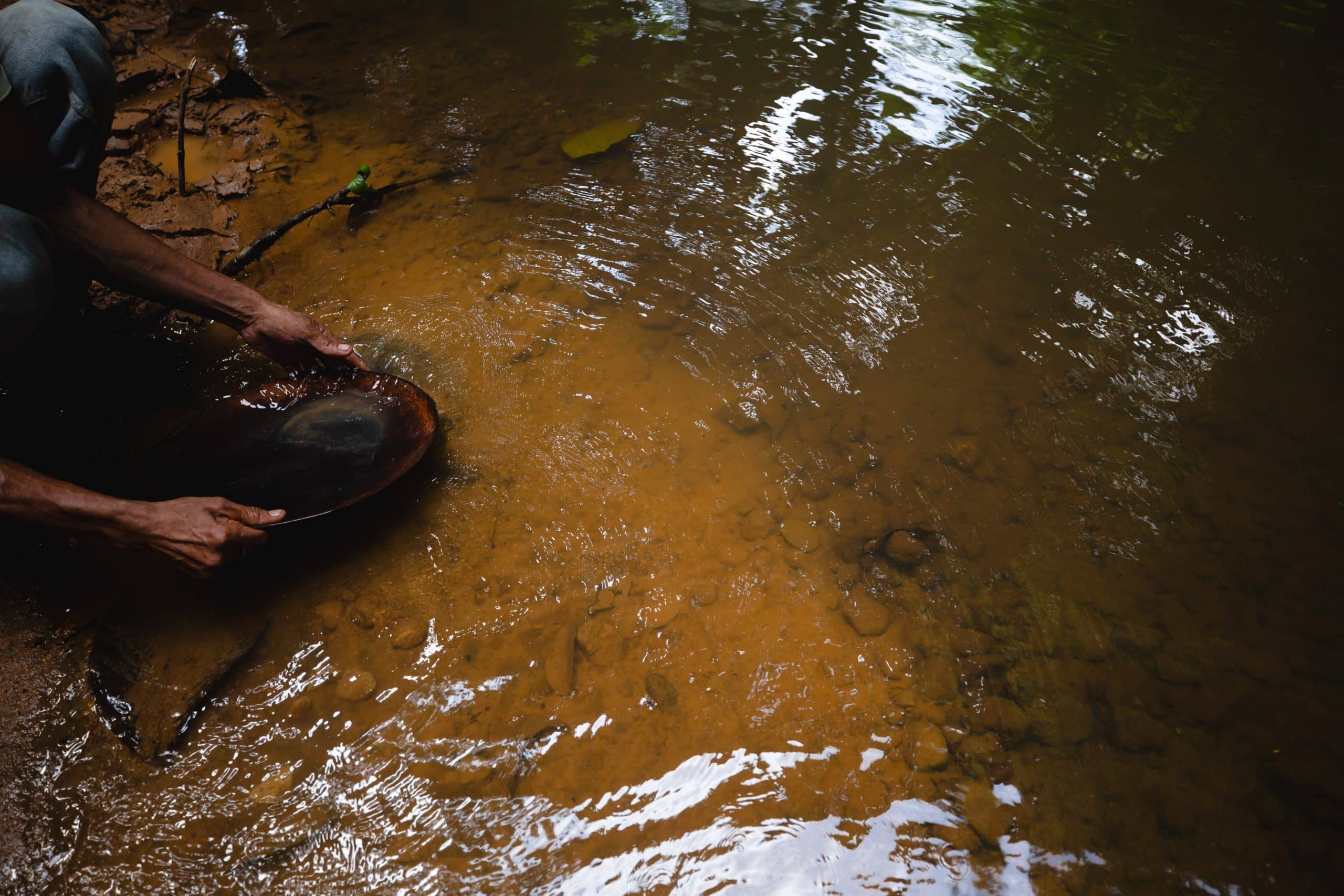
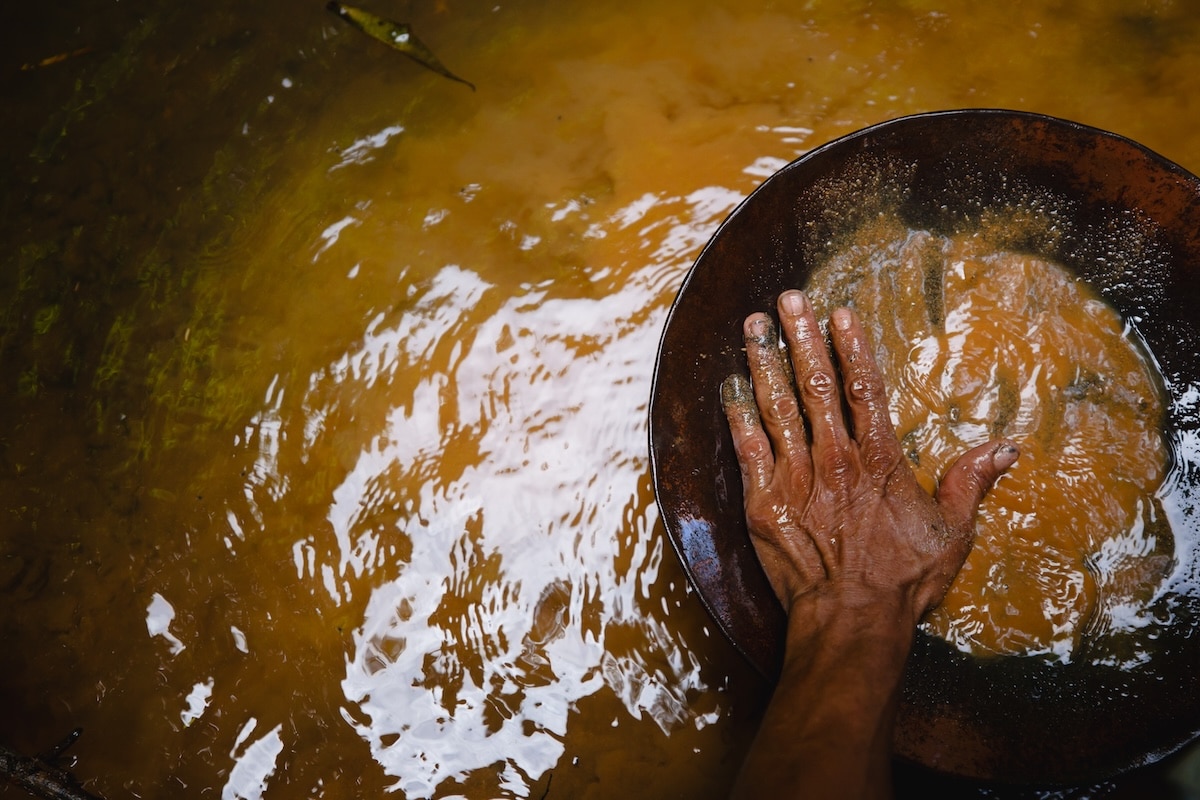
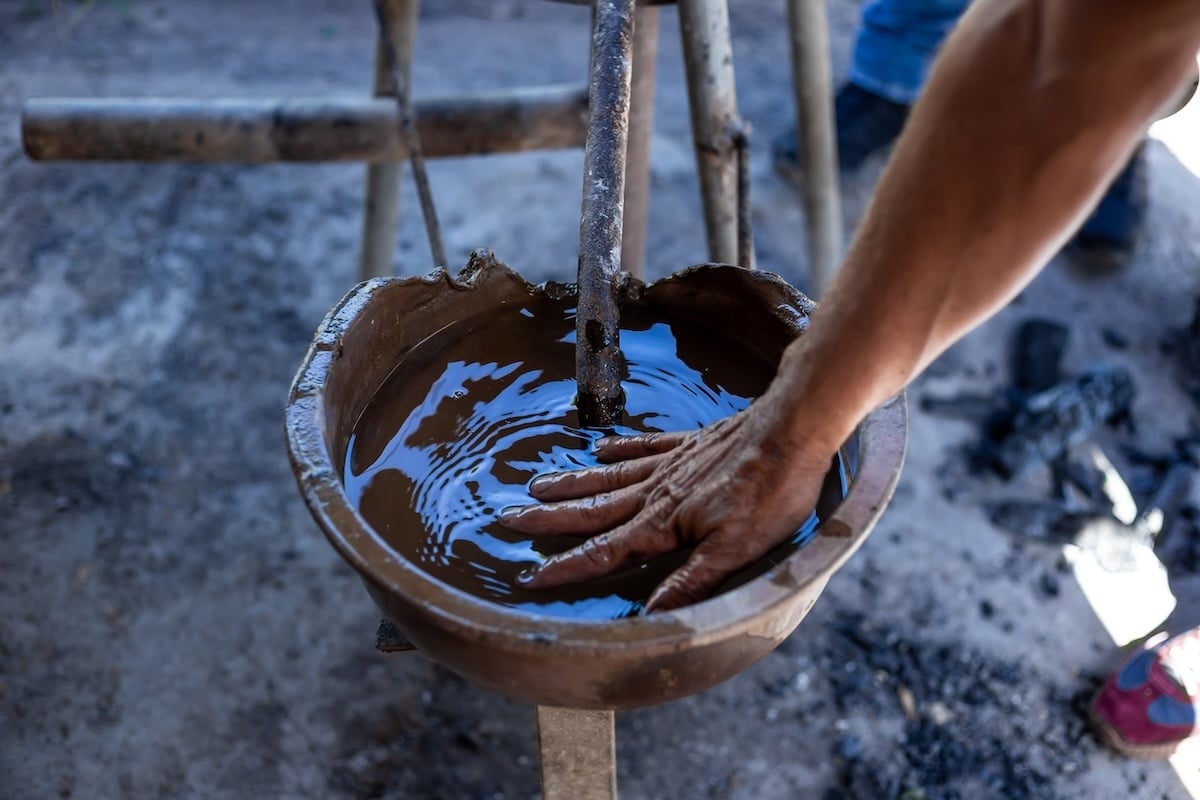
Exposure to mercury does not occur only through water or food. At mining sites, contact is direct and immediate. During the course of this report, DIVERGENTES and Fundación del Río observed how artisanal miners handle mercury with bare hands, without gloves, and without masks. In sum, without any kind of protection.
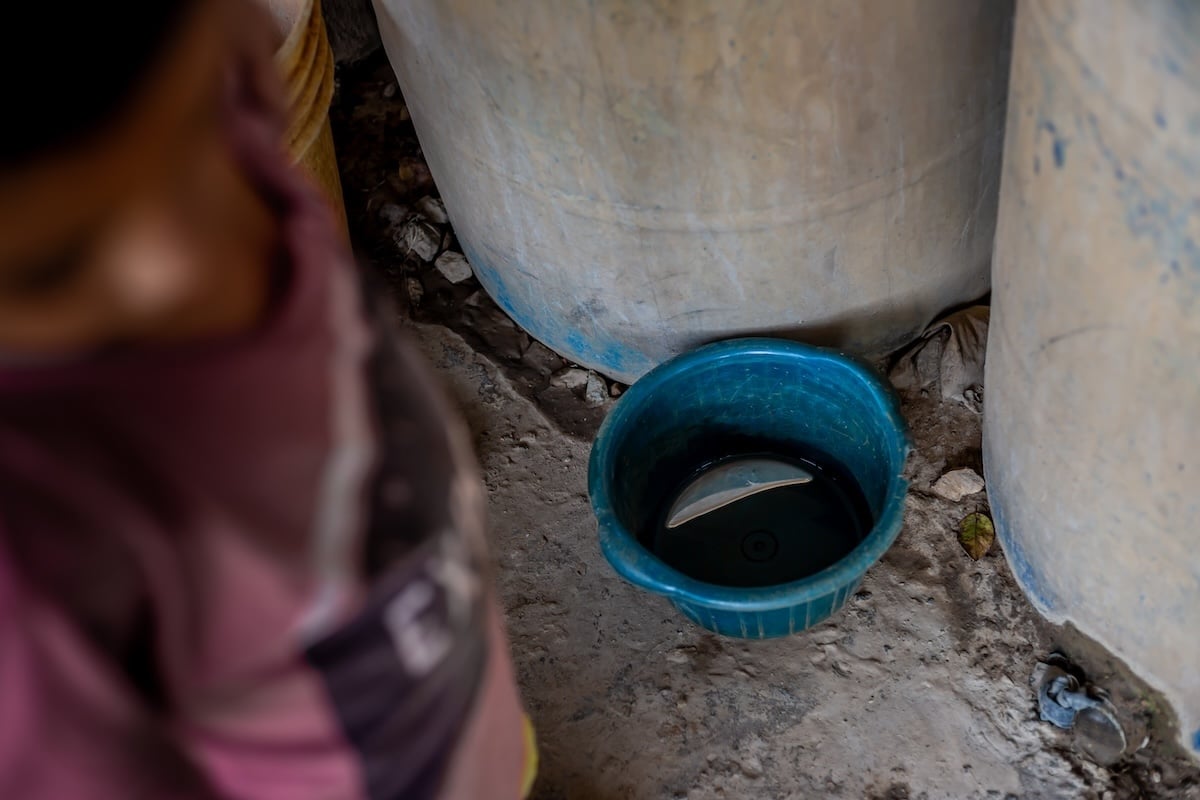
In Abangares, some children played near the containers where gold is washed with mercury. It was part of the routine. In Crucitas, another “coligallero” picked up a piece of gold with his bare hand—mercury still clinging to it—and held it while explaining to us the process. No one in either place seemed to know, or care to know, that the metal they touch, breathe in, and pour into waterways every day is, in the long run, harmful to their bodies.
In this regard, the Minamata Convention requires signatory countries to reduce and phase out the use of mercury in artisanal mining, report their imports, and implement national reduction plans. Nicaragua signed the convention along with 137 other countries. In the same year that Yelba López González signed the treaty, in its official reports to the organization, the Sandinista regime declared that the country imported just “1,552 kilograms (3,421 lbs) of mercury,” “from Mexico and China,” in compliance with the treaty’s provisions.
China is no minor detail in that statement. In 2021, after severing diplomatic relations with Taiwan, Managua embraced Beijing and the Sandinista regime began a rapid rapprochement with the communist government. China is the world’s largest exporter of mercury, and since the Free Trade Agreement between the two countries took effect on January 1, 2024, commercial activity in the mining sector has done nothing but grow—far more than in any other sector.
Almost at the same time, the co-presidential regime told the world that mercury was no longer entering Nicaragua, while deepening its relationship with China—one of the countries that, according to its own statement to the UN, was a source of the metal.
The 1,552 kilograms reported to Minamata at that time were a modest, manageable amount, consistent with the narrative of a government that pretended to take its international commitments seriously. Later, in communications after 2021, Managua went further and assured international organizations that Nicaragua had stopped importing the metal entirely. According to this official version, the problem had been resolved.
However, the Sandinista regime itself contradicts that version presented to the United Nations. Fundación del Río and DIVERGENTES gained access through a leak to the report “National Overview of the Artisanal and Small-Scale Mining Sector,” prepared by the Ministry of Energy and Mines (or MEM, by its acronym in Spanish) in 2022. The document reveals that in that same year, the artisanal mining sector consumed 35.3 metric tons of mercury annually. That is, not one and a half tons.
To arrive at this estimate, the MEM surveyed 1,692 small-scale mining operations across the country. All of them used mercury amalgamation and were distributed across three regions. The Mining Triangle used 12.3 tons per year. The departments of Chontales, Río San Juan, and the South Caribbean Autonomous Region used 7.9 tons. Chinandega and León used 15.1 tons.
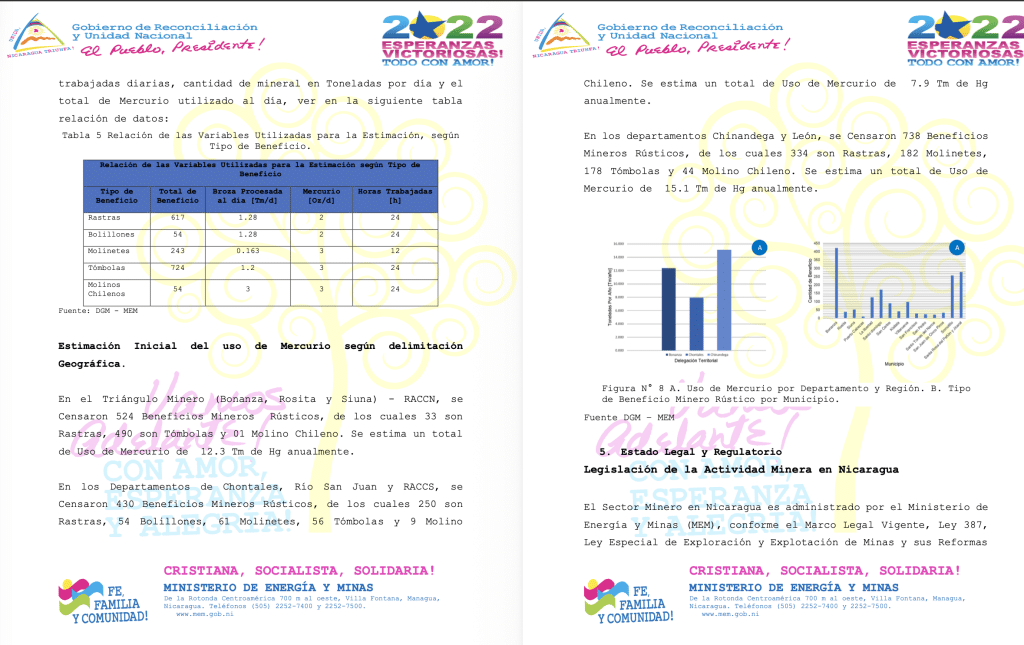
The gap between what Nicaragua reports to the UN and what its own ministry—an “agency” coordinated by the Presidency—documents internally is 22 times greater. In other words, while they claimed that not a single gram had entered the country since 2021, MEM officials knew exactly in which municipalities, with what equipment, and in what quantities the metal was being used.
Most strikingly, the Ortega-Murillo regime even accessed funds from the Global Environment Facility to implement the Minamata Convention. They received international funding through two projects: one for $700,000 and another for $3,380,000, for a total of $4,080,000, which are being implemented by the United Nations Industrial Development Organization (UNIDO). However, mercury smuggling continues unabated, as we were able to document during our field trip.
Rivers and Mercury
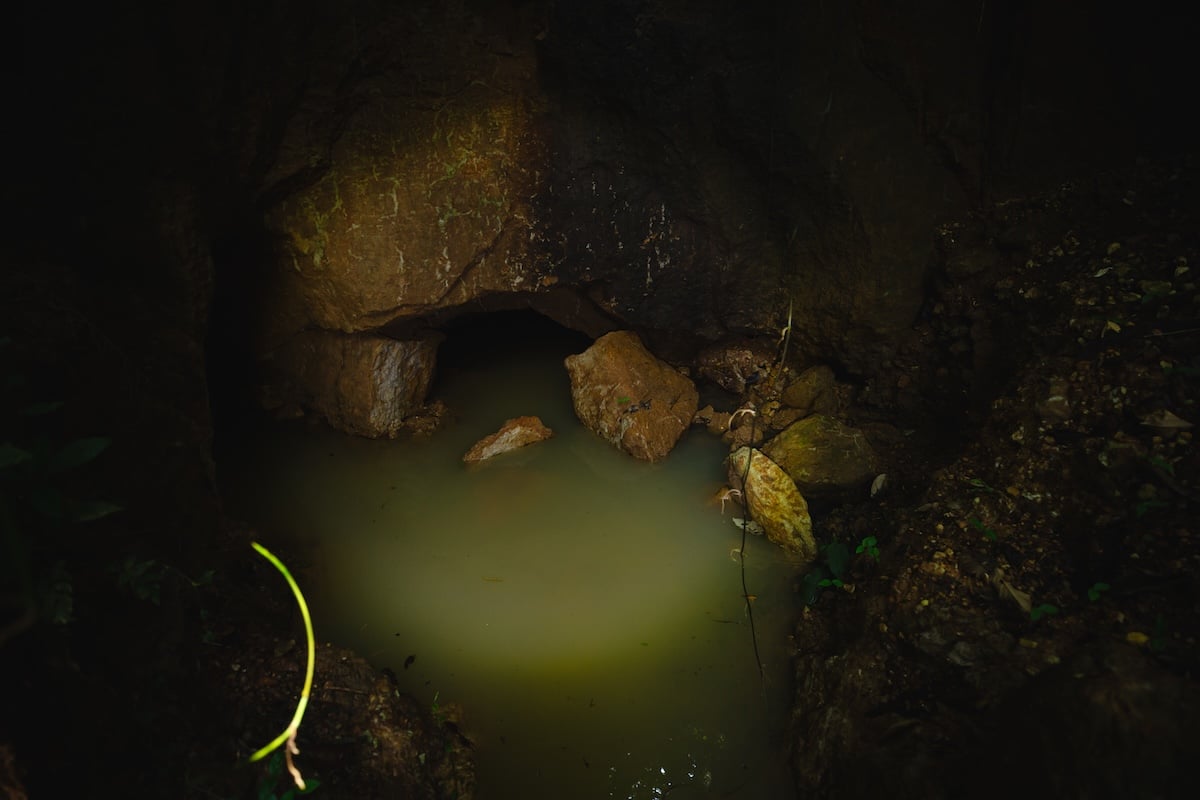
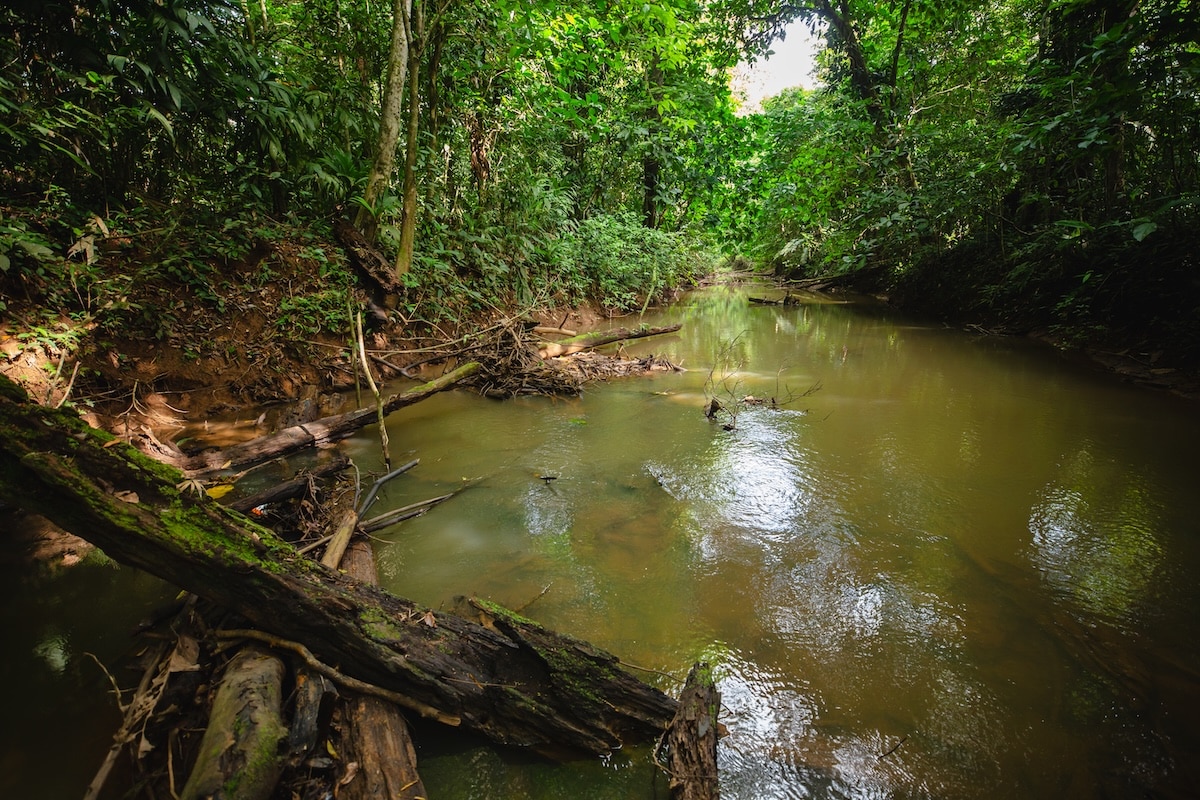
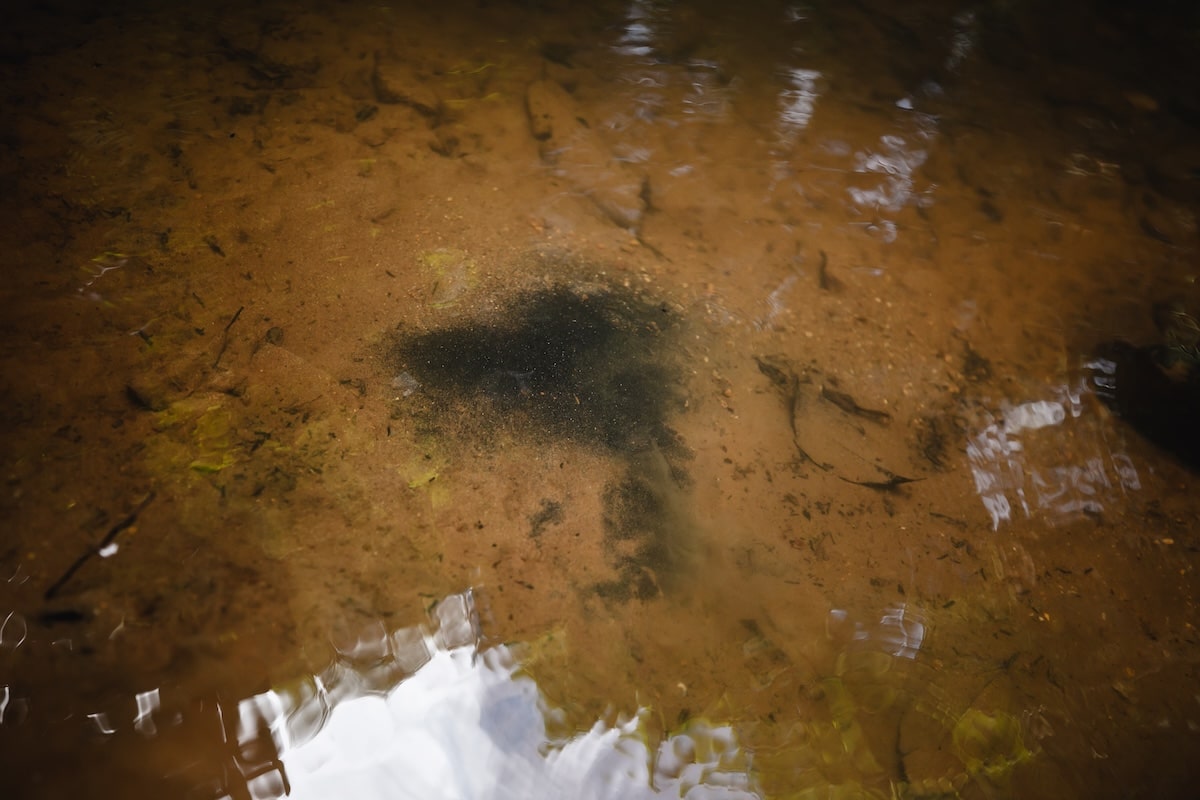
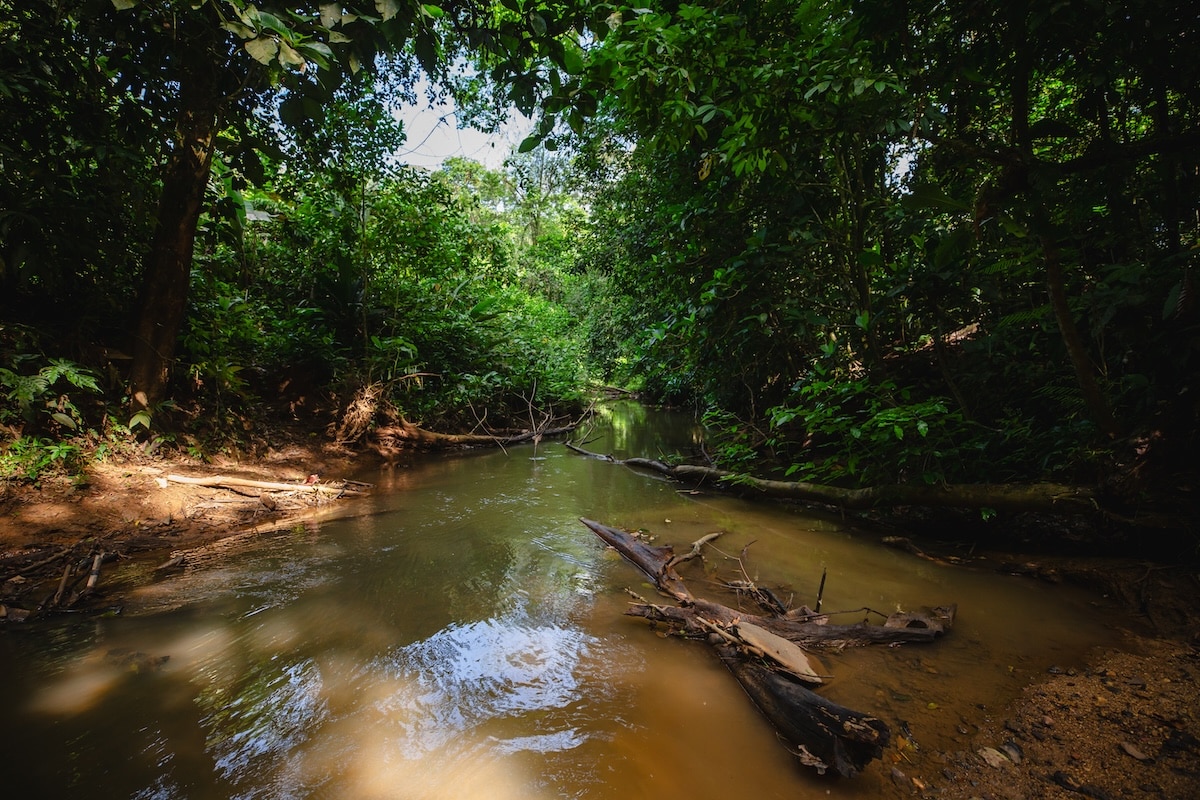
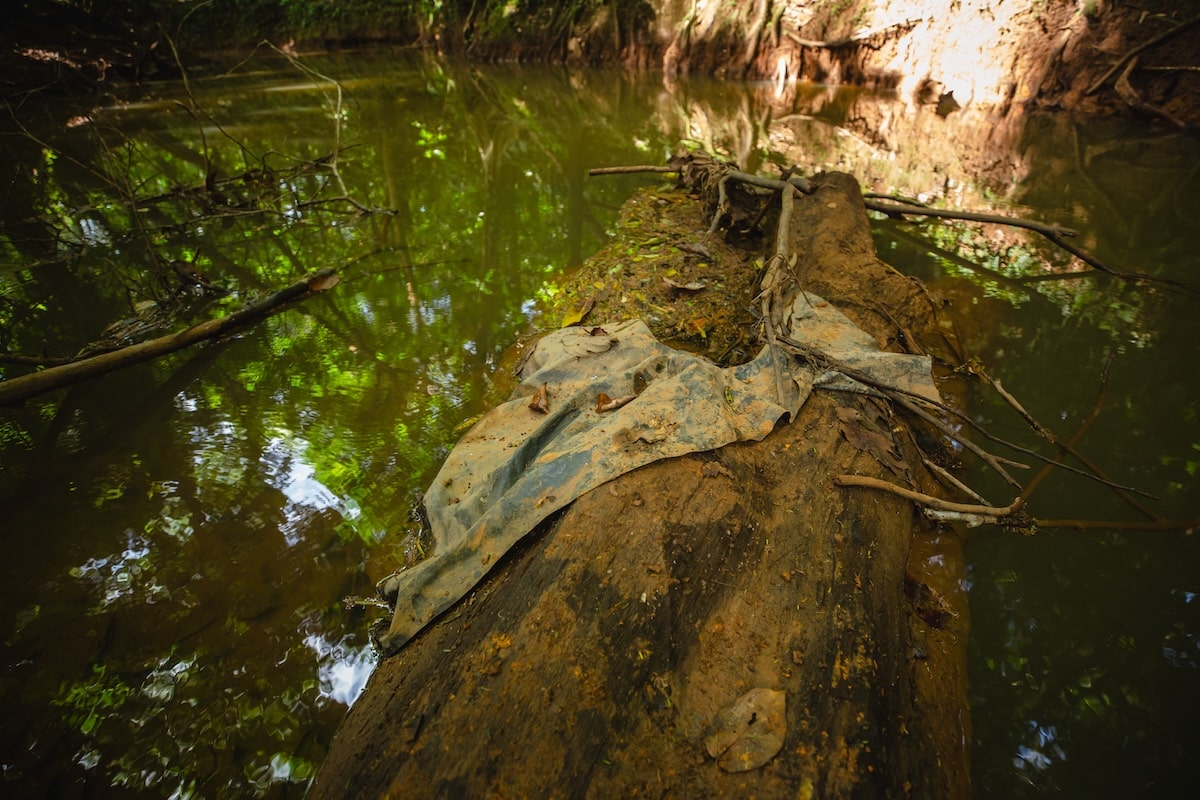
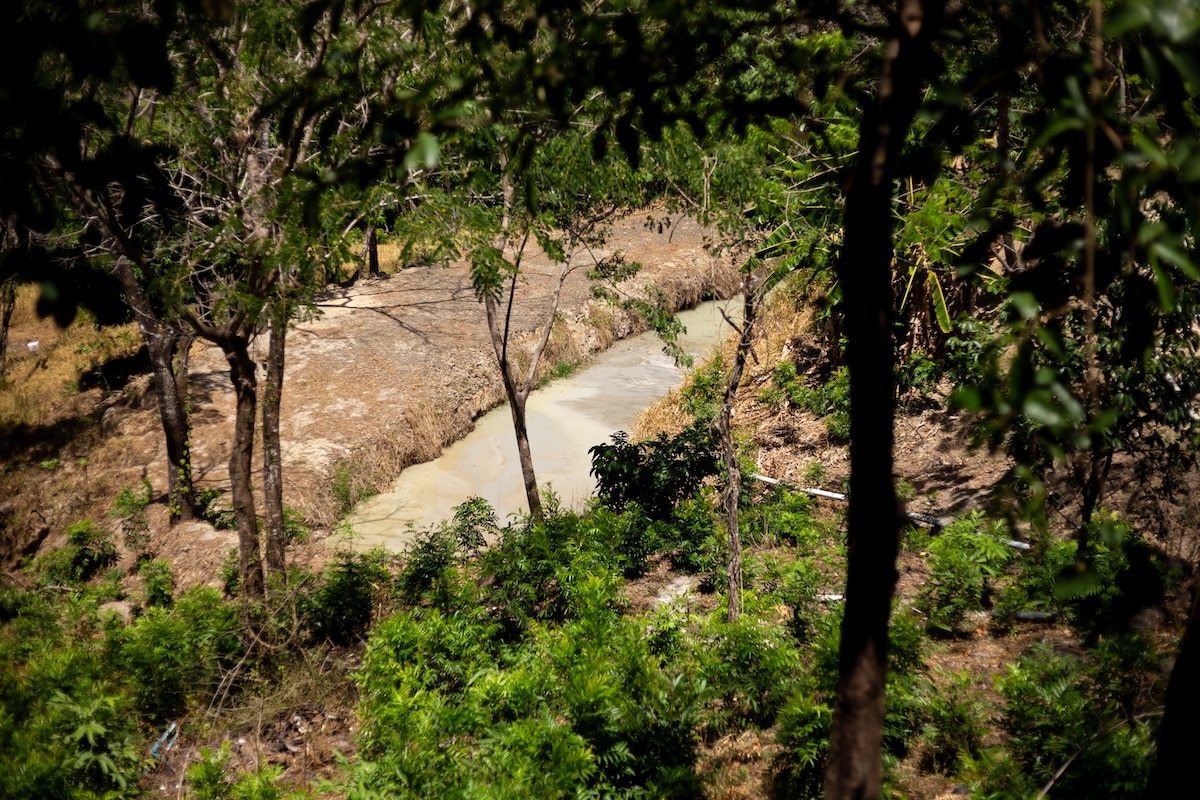
At the end of the mercury smuggling chain, the metal ends up in the rivers of Nicaragua and Costa Rica. This is what scientific data accessed by DIVERGENTES reveals. A team of researchers from Cornell University, the National University of Costa Rica, and the University of Costa Rica (UCR) collected river sediment samples from the waterways surrounding Crucitas in November 2018 and sent them to a certified laboratory in Vancouver. The results were conclusive.
Mercury concentrations in the Caño Crucitas, the Caño Descubrimiento, and tributaries of the Infiernito River exceeded the area’s natural levels by between 5 and 200 times. To date, with the gold rush fueled by Chinese companies, the damage could be even greater. But in 2018, for example, the highest sample recorded 8,790 nanograms per gram, 225 times the baseline level.
Researchers ruled out the possibility that it was naturally occurring mercury. The lack of correlation with arsenic—which in natural hydrothermal systems behaves in parallel with mercury—proved that the excess was the result of contamination from illegal mining.
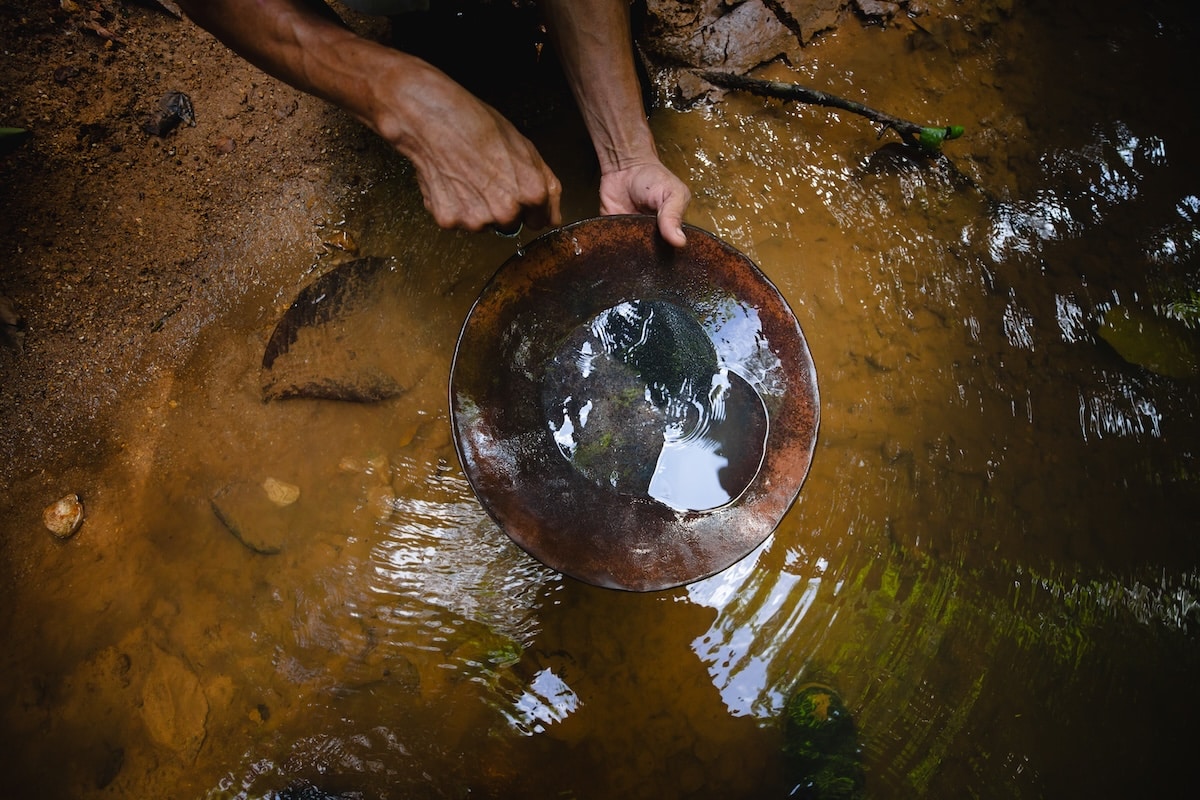
The damage caused by mercury is not limited to the sediments. The massive removal of soil and vegetation accelerated acid drainage in the area, altering the pH of surface waters to levels between 4.9 and 5.9, when the region’s natural value is close to 7. This acidity releases additional heavy metals such as arsenic, which at some points reached concentrations of up to 70 parts per million.
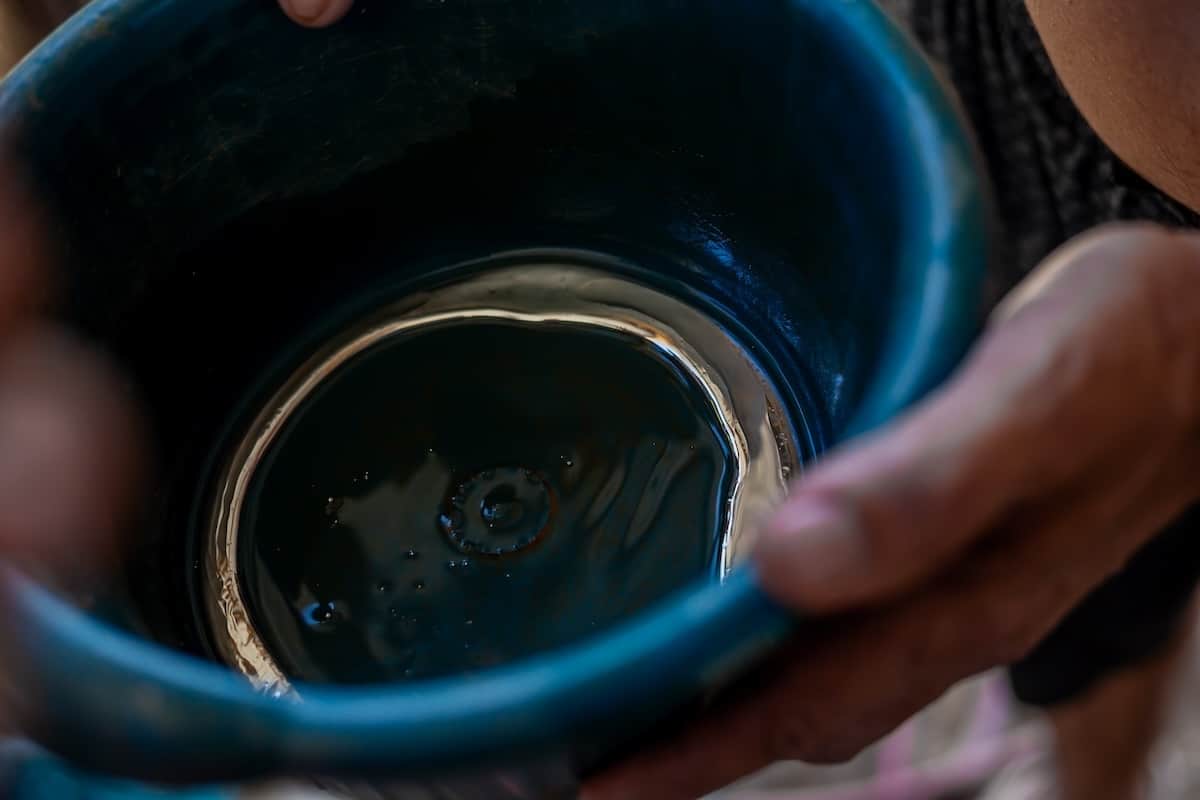
Under acidic conditions, elemental mercury tends to convert into methylmercury, the most toxic form of the metal, which accumulates in fish tissue and moves up the food chain until it reaches humans. In northern Nicaragua, this process is already claiming victims—indigenous people who drink from and eat fish from these contaminated rivers.
However, there is a simple economic explanation for why the contraband chain does not stop. A 34.5-kilogram bottle of mercury, equivalent to 75.9 pounds, arrives in Nicaragua at a price of approximately $3,500. Divided up and resold by the pound at $216, that same bottle generates revenue of over $16,000. A 468% profit. With that margin, police operations and the risk of smuggling are merely a cost of doing business. Experts agree that curbing mercury trafficking is nearly impossible as long as that does not change.
Miskito Women With Mercury in Their Hair
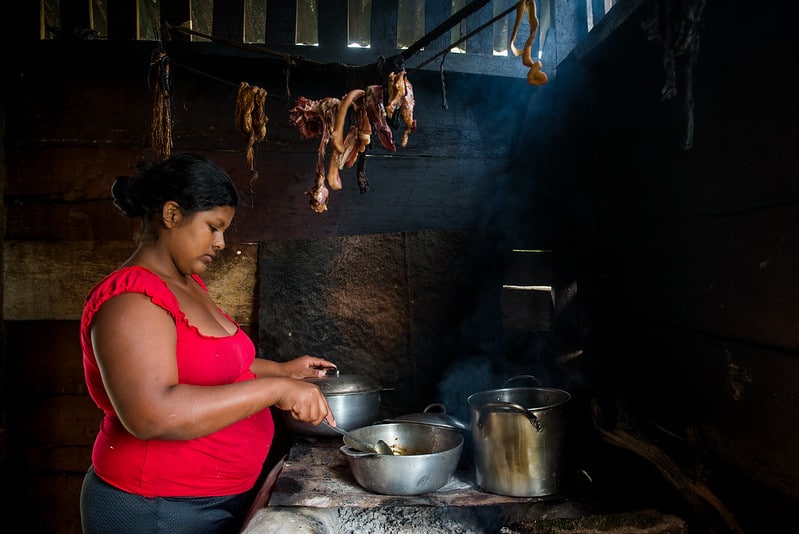
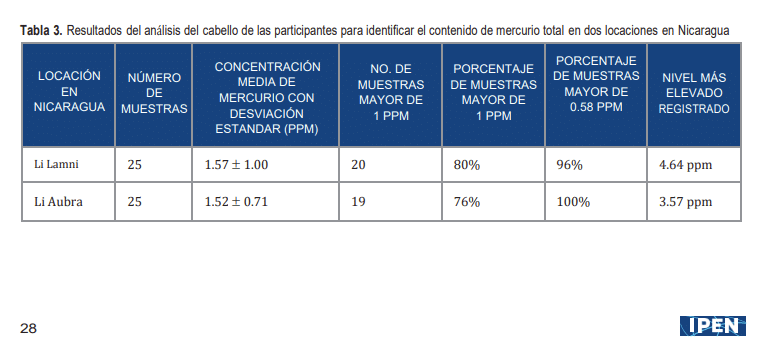
A study by the International Pollutants Elimination Network (IPEN) on women in Miskito communities found that 80% of the hair samples analyzed had mercury levels above safety limits. The sampling was carried out in the Río Coco area, in the Li Aubra and Li Lamni communities.
The problem with mercury is that it is bioaccumulative. It accumulates in soft tissues without the person noticing, and when, for example, a pregnant woman is exposed, it crosses the placental barrier and affects the fetus’ neurological development. In Crucitas, a miner told us that on one occasion they had to rush a colleague out of the tunnels. At the medical center, they were told he had died from mercury poisoning.
In 2021, Costa Rica’s Ministry of Health declared a state of emergency in Crucitas due to water contamination, and the government began sending a water tanker from the Costa Rican Institute of Aqueducts and Sewers (or AYA, its acronym in Spanish) to supply the community.
A year later, the emergency was lifted, but the truck kept coming. To this day, the police officers on duty in the area receive bottled water every three days because they cannot drink the local water. But the community continues to fish in those rivers and farm that land. Meanwhile, in Los Chiles, on the other side of the border, the woman who answered Lucas’s call says that “azogue” is in short supply, but that there might be some tomorrow. Mercury continues to cross the border.